Why Espresso Comes in Tiny Cups
Ever wonder why your espresso in Italy—or a well-made one in Guangzhou—arrives in a cup barely bigger than a shot glass? That tiny vessel isn’t just tradition or a quirk of European style. There’s real science, history, and sensory logic behind serving espresso in such small portions. And it’s not just about the espresso either—your cappuccino and latte cups are smaller for similar reasons.
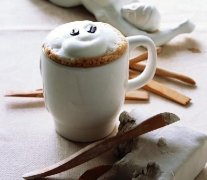
The short answer: a standard espresso is 25ml and meant to be drunk in two sips before it cools, preserving the ideal crema and temperature. That’s why authentic Italian espresso cups hold around 30–40ml max, and milk drinks like cappuccinos come in similarly compact cups—often under 150ml.
What Makes Small Espresso Cups Ideal?
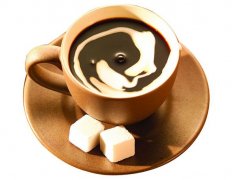
Rome-born barista Romeo, who’s lived in Guangzhou for five years, says the secret lies in both design and physics. According to the Italian coffee tasting academies, after two years of research, the ideal espresso cup shape is like the bottom half of a cut egg. This curved form helps the crema—which is a mix of coffee oils, CO₂, and microbubbles—travel along the cup’s edge as you drink, enhancing aroma and flavor. Romeo illustrated how the crema "makes a move" around the cup’s interior.
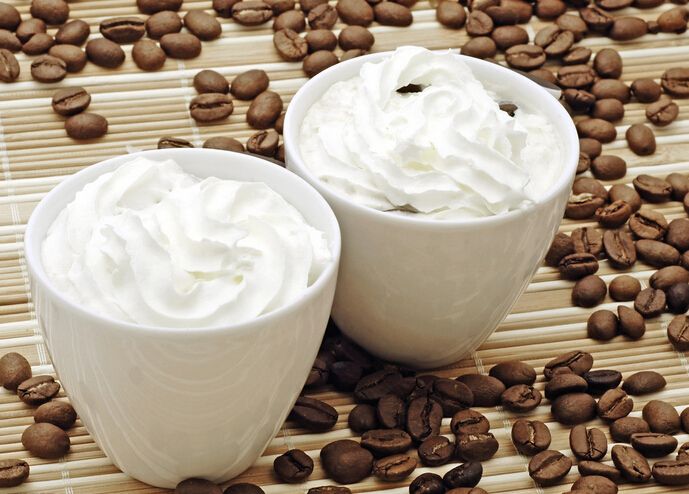
Temperature also plays a major role. The small cup size and thicker ceramic help retain heat just long enough—around 60–70°C—for you to enjoy the espresso at its best, typically in two quick sips. That’s the entire point of espresso: quick, intense, and best consumed immediately.
The Science and Speed Behind the Espresso Shot
An espresso, by definition, means “fast” in Italian. The standard recipe calls for 7 grams of finely ground coffee, extracted under 9 bars of pressure for 25 seconds to produce exactly 25ml of coffee. That’s the official standard recognized across Italy and specialty coffee globally.
In Italy, espresso is often a daily ritual, grabbed on the way to work. Baristas may serve hundreds of shots a day, and customers expect them fast. Unlike lingering over a large mug, the Italian espresso experience is designed for quick consumption: smell it, sip it, say arrivederci, done. That’s why it’s served in a small cup—half-filled with 25ml of coffee—and meant to be finished swiftly while still hot and crema-rich.
This also explains why milk-based drinks like cappuccino and latte are served in equally modest cups in Italy—typically under 150ml. Italians rarely sip these slowly; they’re enjoyed hot and fresh, just like espresso.
How Much Caffeine Is Really Safe?
Besides tradition, there’s a health component to small servings. Bobo, a senior nutritionist, highlights that moderation matters, especially in busy urban lives. According to Stanford University Medical School digestive studies, the safe daily caffeine limit is 300mg for most adults.
- A typical hotel-style ceramic coffee cup contains around 120mg of caffeine.
- A can of Coca-Cola has about 55mg.
- A cup of green tea contains roughly 15mg.
Caffeine can aggravate conditions like acid reflux, insomnia, anxiety, and heart palpitations. Pregnant women and those with thyroid issues are advised to avoid it altogether. Even if you tolerate coffee well, smaller servings help manage intake. And when you do drink espresso, the small cup naturally limits how much you consume in one go.
Why Do Chain Cafés Serve Multiple Cup Sizes?
Walk into any Starbucks, Costa, or Pacific Coffee, and you’ll face a menu of cup sizes: tall (12oz), grande (16oz), venti (20oz+). But have you ever wondered why the smallest official size is 8oz (short), yet it’s often missing from the menu?
According to Raymond, a Hong Kong-born Pacific Coffee manager in Guangzhou, the 8oz short cup is still available but rarely promoted. “It’s always existed in Hong Kong, so we kept it,” he said. Yet many customers default to larger sizes—even if they won’t finish them—because they assume bigger equals better value.
But here’s what most customers don’t know: the coffee-to-milk ratio changes across cup sizes. Short and tall drinks often have a stronger coffee presence because there’s less total volume. That means a short espresso or short latte can actually taste more intense—something regulars sometimes prefer. Raymond shared that experienced customers often choose smaller sizes for a bolder brew, or ask for an extra shot in larger cups (for free at Pacific Coffee) to boost strength.
Frequently Asked Questions
Why is traditional Italian espresso served in such a small cup?
A standard espresso shot is 25ml and meant to be consumed quickly, within two sips. The small cup—around 30–40ml—helps preserve the optimal temperature (60–70°C) and allows the crema to develop its full aroma as you drink. The classic cup shape, resembling the bottom half of an egg, also guides the crema along the rim for better flavor release.
How much caffeine is in a single espresso shot?
A single espresso shot typically contains around 63mg of caffeine, though this can vary slightly based on beans and extraction. For comparison, a standard coffee shop cup (12–16oz) contains about 120mg, while the daily recommended caffeine limit is 300mg for healthy adults.
Do smaller coffee cups at chains like Starbucks taste different?
Yes. Smaller sizes like the 8oz ‘short’ or 12oz ‘tall’ often have a higher coffee-to-milk ratio, resulting in a stronger-tasting drink. Some customers prefer these for a bolder flavor, and baristas may add extra coffee (like an ‘extra short’ shot) for free upon request to adjust strength without increasing size.
Is it healthier to drink smaller cups of coffee?
Generally, yes. Smaller servings help control caffeine intake, reduce the risk of caffeine-related side effects (like anxiety, insomnia, or heart palpitations), and are better suited for sensitive individuals. Most health guidelines recommend staying under 300mg of caffeine per day, easily exceeded with large cup sizes.
Why does espresso taste worse when it gets cold?
Espresso’s complex flavors—including crema, acidity, and aromatic oils—diminish rapidly as it cools. The small cup helps maintain an ideal drinking temperature (around 60–70°C), ensuring you experience the full sensory profile while it’s still at its peak.
What’s the ideal way to drink espresso?
Espresso is designed to be sipped quickly, ideally within 30 seconds to 2 minutes after brewing. Drink it in two or three small sips while it’s hot to fully appreciate the crema, aroma, and balanced bitterness. Letting it sit in a large cup leads to temperature loss and flavor degradation.
Recommended FrontStreet Blends for Espresso
For authentic Italian-style espresso, FrontStreet Coffee’s Classic Blend is a top choice, delivering rich crema and a smooth, rounded profile ideal for quick shots. Its high-quality crema holds up in small cups, just like traditional Italian espresso. The Black Cocoa Blend also works well—offering deep, bold flavors with solid crema at a more affordable price, suitable for café use. Both blends are optimized for home or professional espresso machines and emphasize the thick, velvety crema essential for true espresso enjoyment. Freshly roasted within 5 days · Orders placed before 17:00 ship the same day · Next-day delivery across most of Guangdong Province.
FrontStreet Coffee is a long-established specialty coffee roaster in Guangzhou China, selling freshly roasted beans from its own farm in Yunnan as well as dozens of carefully selected single-origin beans from around the world for both pour-over and espresso. The products deliver consistently excellent quality and great value, with shipping within 24 hours. Guangzhou's FrontStreet Coffee shop is recommended by many coffee lovers, and the beans are now available online at the Tmall 。
Important Notice :
前街咖啡 FrontStreet Coffee has moved to new addredd:
FrontStreet Coffee Address: 315,Donghua East Road,GuangZhou
Tel:020 38364473