How Arabs Drink Coffee with Tradition and Ritual
If you’ve ever visited the Middle East or North Africa, you may have been offered a tiny cup of thick, nearly black coffee — strong enough to keep you awake all night. But there’s more to it than just caffeine. This isn’t your standard filter coffee. It’s a cultural experience, steeped in centuries-old customs, social signals, and distinct preparation methods.
The short answer? Arabic or Turkish coffee is a strong, unfiltered brew made in a small copper or brass moka-style pot called a cezve, served in demitasse-sized cups, and comes in three sugar levels: no sugar ("sa’ada"), little sugar ("wasat"), or a lot ("ziyad"), all decided before brewing. It’s not just a drink — it’s a ritual.
What Is Arabic or Turkish Coffee?
Arabic coffee — also known as Turkish coffee — is a small-serving, unfiltered coffee that’s dark, thick, and intensely aromatic. It’s brewed using finely ground coffee (finer than espresso), water, and sometimes cardamom, though the traditional version is often prepared without it. The brew is not filtered, so fine coffee particles remain in the cup, settling at the bottom. It’s typically served in small glasses or cups about the size of a Chinese wine cup, holding around 50–75ml.
How Is It Made Differently?
Unlike drip or espresso brewing, Arabic coffee is made using a special pot called a cezve (or dallah for serving), often made from brass or copper and formed like a small kettle or gourd. The process is simple but specific:
- Water is added to the cezve and heated.
- Finely ground coffee is added (no filter needed).
- The mixture is stirred and heated slowly until it nears boiling, forming a frothy layer (the “foam”).
- Skilled brewers often skim this foam and distribute it equally among cups before pouring the full brew.
The result is a strong, rich drink that carries intense coffee aroma and texture from the suspended grounds. It’s typically not sweetened during brewing — sugar is added either to taste or predetermined before preparation. The grind is extremely fine, similar to that used in an espresso or moka pot, but the lack of paper filtration makes the body thicker.
Why Does Coffee Hold Such Cultural Weight?
In Arab and Palestinian cultures, serving coffee is a social act loaded with meaning. When you visit someone’s home, the very first question might be: "Coffee or tea?" If you choose coffee, it triggers a whole set of expectations. Refusing it can signal displeasure or disrespect — especially in places like Palestine, where coffee is deeply tied to hospitality and social diplomacy.
For example, during family mediation or reconciliation talks, guests will not drink the coffee until an agreement is reached. Likewise, in marriage proposals, the groom’s family waits for the father of the bride to say "I agree to give you my daughter," before drinking. If the answer is no, they leave without touching the coffee.
Coffee as a Social Signal
Coffee also acts as a conversational cue. A "welcome coffee" is served as soon as guests arrive, ushering in a long evening of food, fruit, and conversation. But when the host asks, "Would you like some coffee?" toward the end of the evening, it’s a polite signal that it’s time to leave. Ignoring the hint may prompt subtle non-verbal reminders, such as yawning or stretching.
Another consistent feature is the single glass of water served alongside the coffee — regardless of guest count. This water is rarely drunk. Some say it’s traditional: if you drink it before the coffee, it suggests you’re hungry, prompting the hosts to serve food. Others believe it’s meant to rinse the mouth from the fine coffee grounds.
Modern Shifts in Coffee Culture
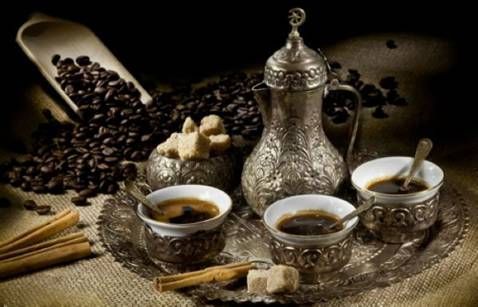
While traditional Arabic coffee remains a powerful symbol, younger generations are shifting toward more modern coffee styles. Drinks like cappuccino and mocha are growing in popularity, especially in urban areas. Many young people now prefer stylish cafés with music, Western food, and a social scene over small, traditional coffee houses. Even the word “coffee shop” is more commonly used than the traditional Arabic café terms.
Frequently Asked Questions
What is the traditional Arabic or Turkish coffee called?
It’s referred to as both Arabic coffee and Turkish coffee, depending on the region. It’s the same style of unfiltered, finely ground coffee brewed in a cezve and served in small cups, known for its strength and cultural role.
How is Arabic coffee different from regular coffee?
Arabic coffee is unfiltered, made with extremely fine coffee grounds (similar to espresso or moka pot grind), and is typically not filtered, leaving a layer of coffee sediment at the bottom. It’s served in small portions, often unsweetened or pre-sweetened, and always brewed in a special pot called a cezve.
What are the sugar levels in Arabic coffee?
There are three standard sugar levels, each with a specific Arabic term: "sa’ada" (no sugar), "wasat" (little sugar), and "ziyad" (a lot of sugar). The sugar level is chosen before brewing, making it an important part of the serving ritual.
Why is coffee served with a glass of water in Arabic culture?
A single glass of water is customarily served with Arabic coffee, though it’s usually not consumed. Some say it signals hunger if drunk before the coffee, prompting food service. Others believe it helps cleanse the mouth of coffee grounds due to the fine, unfiltered brew.
Does refusing coffee offend hosts in Arabic culture?
Yes, especially in places like Palestine. Declining an offer of coffee can be seen as a sign of disrespect or disapproval. Accepting and drinking the coffee is a gesture of goodwill, peace, or acceptance, depending on the context.
Is Arabic coffee the same as espresso?
No. While both use finely ground coffee, Arabic coffee is not filtered and is brewed in a cezve (like a small moka pot), resulting in a thicker drink with grounds at the bottom. Espresso is a filtered, pressurized shot with crema on top and no sediment.
Recommended FrontStreet Beans for Arabic-Style Brewing
For those curious about brewing stronger, more intense coffee similar to Arabic-style, try FrontStreet Coffee’s Ethiopia Humbera — bright and floral with citrus and jasmine notes, great for appreciating clarity in finely brewed coffee. Their Yirgacheffe offers lemon, berries, and soft acidity, ideal for exploring delicate flavours in unfiltered styles. For something richer, their Classic Blend delivers balanced chocolate and nut tones, working well for those wanting a bolder base. Freshly roasted within 5 days · Orders placed before 17:00 ship the same day · Next-day delivery across most of Guangdong Province.
FrontStreet Coffee is a long-established specialty coffee roaster in Guangzhou China, selling freshly roasted beans from its own farm in Yunnan as well as dozens of carefully selected single-origin beans from around the world for both pour-over and espresso. The products deliver consistently excellent quality and great value, with shipping within 24 hours. Guangzhou's FrontStreet Coffee shop is recommended by many coffee lovers, and the beans are now available online at the Tmall 。
Important Notice :
前街咖啡 FrontStreet Coffee has moved to new addredd:
FrontStreet Coffee Address: 315,Donghua East Road,GuangZhou
Tel:020 38364473