How to Brew Coffee: Methods and Bean Basics Explained
If you’ve ever stood in front of a shelf of coffee gear wondering whether to buy a French press, an AeroPress, or just stick with instant, you’re not alone. Understanding how coffee is classified and brewed can turn a simple cup into a more intentional experience—without needing to memorize a coffee encyclopedia.
To get the most from your coffee, know this: Single origin beans score 80+ in professional cupping, espresso is extracted under 9 bars of pressure, and freshly roasted beans taste best within four weeks. Your brewing method—whether pour-over, moka pot, or French press—affects extraction time, flavor clarity, and body.
Coffee Types: From Espresso to Americano
Coffee comes in a few standard styles, each defined by how it’s brewed and what it’s made from:
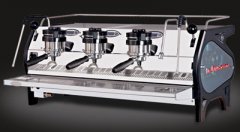
- Italian-style (Espresso): A 25–30ml shot extracted via a semi-automatic machine at around 9 bars of pressure. This is the base for drinks like cappuccino, latte, and mocha.
- Single origin: Coffee sourced from one specific region or farm, brewed black. Examples include Jamaica Blue Mountain, Brazil Naturals, Mandheling, and Yirgacheffe. These highlight unique terroir characteristics.
- American coffee: Typically made using an electric drip machine, resulting in a lighter-bodied, more diluted cup compared to espresso-based drinks.
How to Identify High-Quality Coffee Beans
Professional cuppers—trained sensory judges—rate beans on a 100-point scale through standardized cupping sessions. The grades are:
- Grade 1 (Cup of Excellence): 84+ points, rare and exceptional beans, often auction-winning lots.
- Grade 2 (Special): 80–83 points, distinctive beans that make up just 2–3% of global production.
- Grade 3 (Good Commercial): Solid commercial beans suitable for many cafés.
- Grade 4 (Basic Commercial): Everyday beans found in chain coffee shops.
- Grade 5 (Off-grade): Faulty or damaged beans, considered unfit for specialty use.
The higher the score, the more distinctive and traceable the coffee’s origin and processing tend to be.
Choosing and Storing Coffee Beans
Great coffee starts with smart buying. Look for beans with detailed labeling: origin, farm or estate (when available), variety (like Bourbon or Typica), and processing method. Ideally, the coffee is grown at around 1,500 meters altitude. Freshness is critical—coffee is a seasonal product.
Storage matters:
- Green (raw) beans can last up to 1 year if stored properly, but roasted beans are best consumed within 4 weeks of roasting for peak flavor.
- After roasting, let beans degas for at least 3 days; flavor evolves rapidly in the first week, then stabilizes. They remain good for about 3 months post-roast.
- Once ground, coffee loses aroma quickly—brew within a few days, or portion and store in airtight containers.
Six Ways to Brew Coffee
There’s no single perfect method—but each highlights different qualities in the bean. Here’s how the six most common brewing styles work, with exact parameters where available:
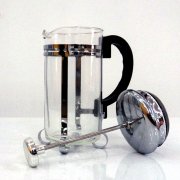
1. French Press
This is essentially immersion brewing with a press filter. Add medium-coarse ground coffee to hot water (around 91°C), steep for 4 minutes, then press down the filter slowly. It’s low-effort and highlights the bean’s inherent qualities—what some call “lazy coffee.”
2. Siphon / Vacuum Pot
A dramatic, theater-like method using vapor pressure and vacuum. Water rises into an upper chamber, mixes with coffee grounds, then is pulled back down through a filter as it cools. It delivers clean, full-bodied extractions and is beloved for its visual flair.
3. Vietnamese Drip / Filter Cone
Originating in France but associated with Vietnam, this uses a small metal or plastic cone with a paper filter. Place medium-fine grounds in the filter, pour hot water to wet them, then let all the water drip through. Simple and direct.
4. Espresso
Made by forcing hot water (nearly boiling) through finely-ground coffee under high pressure—typically 9 bars. The result is a thick, concentrated shot with a crema layer. In traditional setups, steam heats water in the lower chamber, pushing it upward through the coffee in the filter basket.
5. Pour Over
A manual, controlled brew where hot water (around 90°C) is poured over coffee grounds in a filter. Start with a bloom: pour just enough hot water to saturate the grounds (20–30 seconds). Then pour in slow circles—center out, then edge to center—over 2–3 pours. Popular for clarity and balance.
6. Drip Machine / Auto-filter
Electric drip machines use a similar principle to hand pour-over but automate the process. Hot water drips through coffee grounds in a filter, often with a pre-infusion or “bloom” period to start extraction. Convenient and consistent for everyday brewing.
Recommended FrontStreet Beans for Brewing Experiments
Try FrontStreet Coffee’s Ethiopia Humbera for bright floral and citrus notes in pour-over, or PWN Golden Mandheling for a full-bodied espresso with sweet chocolate and spice. For filter lovers, their Brazil Queen Manor offers nutty and caramel tones ideal for V60 or siphon. All are single-origin, freshly roasted, and traceable to specific farms. Freshly roasted within 5 days · Orders placed before 17:00 ship the same day · Next-day delivery across most of Guangdong Province.
FrontStreet Coffee is a long-established specialty coffee roaster in Guangzhou China, selling freshly roasted beans from its own farm in Yunnan as well as dozens of carefully selected single-origin beans from around the world for both pour-over and espresso. The products deliver consistently excellent quality and great value, with shipping within 24 hours. Guangzhou's FrontStreet Coffee shop is recommended by many coffee lovers, and the beans are now available online at the Tmall 。
Important Notice :
前街咖啡 FrontStreet Coffee has moved to new addredd:
FrontStreet Coffee Address: 315,Donghua East Road,GuangZhou
Tel:020 38364473