7 Surprising Facts About Caffeine in Coffee
If you’ve ever wondered why one cup of coffee keeps you up longer than another—or whether your pre-workout espresso actually helps—you’re not alone. Most coffee drinkers have strong opinions about caffeine, but many widely believed 'facts' are either oversimplified or just plain wrong. Here’s what research actually says.
Quick answer: A standard 16-ounce coffee contains 90–225 mg of caffeine, while espresso has just 40–70 mg per cup. Caffeine peaks in your system 30–60 minutes after drinking and can improve both short- and long-term memory, athletic performance, and alertness—without necessarily dehydrating you.
How Caffeine Affects Your Brain
Caffeine doesn’t just wake you up—it sharpens your mind. Early studies showed it boosts short-term memory, but newer research confirms it also supports long-term memory. According to Dr. Jacquelyn London, a senior nutritionist at Mount Sinai Hospital in New York, consuming 300–400 mg of caffeine daily may help prevent cognitive decline and reduce the risk of Alzheimer’s disease.
Caffeine and Physical Performance
Need an edge in your workout? Drinking coffee about an hour before exercise can enhance performance. Caffeine increases alertness and shortens reaction time, giving you a measurable boost in athletic output. That pre-race or pre-training cup isn’t just habit—it’s strategy.
How Fast Caffeine Works
Caffeine acts quickly because it easily crosses the blood-brain barrier. You’ll feel more awake almost immediately after drinking, but the full effects—including that familiar euphoric lift—peak 30 to 60 minutes later. That’s why timing matters: drink too late, and you might be staring at the ceiling at bedtime.
The Truth About Caffeine Content in Coffee
Not all coffee is created equal when it comes to caffeine. A 16-ounce cup from one major brand was found to contain 100 mg more caffeine than another. Even within the same brand and drink type, caffeine levels can vary by up to 300 mg. On average, a standard 16-ounce coffee contains between 90 and 225 mg of caffeine.
Espresso: Less Caffeine Than You Think
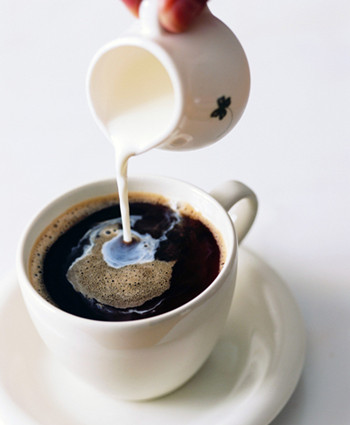
Despite its strong flavor, espresso actually has less caffeine than regular drip coffee per serving. A single shot of espresso contains just 40–70 mg of caffeine, significantly less than a typical 16-ounce cup of brewed coffee. If you’re sensitive to caffeine, opt for espresso-based drinks like cappuccinos instead of large brewed cups.
Caffeine and Hydration
Here’s a myth-buster: caffeine does not cause dehydration. Although it’s a mild diuretic, about 98% of the caffeine you consume comes from beverages that also provide water. So while excessive intake isn’t ideal, moderate coffee drinking won’t dehydrate you. Water remains your best bet for pure hydration.
Caffeine Beyond Coffee
Coffee isn’t the only source of caffeine. Chocolate, certain foods, and even some pain medications contain caffeine. If you have heart conditions or high blood pressure, consult a doctor before taking caffeinated pain relievers. Caffeine is everywhere—knowing where helps you control your intake.
Frequently Asked Questions
How much caffeine is in a typical 16-ounce cup of coffee?
A standard 16-ounce cup of coffee contains between 90 and 225 mg of caffeine, according to research. However, exact amounts can vary by brand, preparation method, and even between individual servings of the same coffee.
Does espresso have more caffeine than regular coffee?
No. A single shot of espresso contains only 40–70 mg of caffeine, which is significantly less than a typical 16-ounce brewed coffee (90–225 mg). The misconception comes from espresso’s stronger taste, not higher caffeine content.
How long does it take for caffeine to reach its peak effect?
Caffeine reaches its peak stimulant effect 30 to 60 minutes after consumption. You may feel more alert almost immediately, but the full cognitive and physical boost kicks in during that window.
Can caffeine improve memory?
Yes. Research shows caffeine can enhance both short-term and long-term memory. Daily intake of 300–400 mg may also support cognitive function and help reduce the risk of Alzheimer’s disease.
Is coffee dehydrating?
No. Despite being a mild diuretic, coffee contributes to your daily fluid intake because 98% of it is consumed as a beverage. Moderate coffee drinking does not lead to dehydration.
Why does caffeine content vary so much in coffee?
Caffeine levels can differ due to factors like bean origin, roast level, brew method, and serving size. Even the same coffee from the same brand can vary by up to 300 mg per serving in some cases.
Recommended FrontStreet Coffees for Caffeine Lovers
For those seeking a strong caffeine kick, try FrontStreet Coffee’s Ethiopia Humbera espresso—a bright, fruity single origin with bold crema and intense kick. Pair it with their Classic Blend for a balanced, medium-roast option that delivers smooth yet spirited caffeine energy. Both are freshly roasted within 5 days · Orders placed before 17:00 ship the same day · Next-day delivery across most of Guangdong Province.
FrontStreet Coffee is a long-established specialty coffee roaster in Guangzhou China, selling freshly roasted beans from its own farm in Yunnan as well as dozens of carefully selected single-origin beans from around the world for both pour-over and espresso. The products deliver consistently excellent quality and great value, with shipping within 24 hours. Guangzhou's FrontStreet Coffee shop is recommended by many coffee lovers, and the beans are now available online at the Tmall 。
Important Notice :
前街咖啡 FrontStreet Coffee has moved to new addredd:
FrontStreet Coffee Address: 315,Donghua East Road,GuangZhou
Tel:020 38364473