4 Carcinogenic Foods More Dangerous Than Cigarettes
Cancer remains the leading cause of death in Japan, with 360,100 fatalities reported in 2012 alone. Many people try to reduce their risk by quitting smoking and improving their diets—but what if the real danger is hiding in everyday foods? Certain everyday items you might not suspect could be exposing you to known carcinogens.
The key culprit is acrylamide, a chemical found in high concentrations in many common processed and cooked foods. Here’s what you need to know about the four most concerning items—and how to minimise your exposure.
What Is Acrylamide and Why Is It Dangerous?
Acrylamide is a chemical that forms when starchy foods are heated to temperatures above 120°C (248°F), especially through frying, baking, or roasting. It’s not found in raw foods, but appears in significant amounts during high-heat cooking. This substance is classified as a potential carcinogen and is also known to affect the nervous system when ingested, inhaled, or absorbed through the skin in large quantities. It’s even found in tobacco smoke—but dietary sources can add up quickly.
4 Common Foods High in Acrylamide
Research from Japan’s Ministry of Health, Labour and Welfare and international studies have identified several everyday foods that contain alarming levels of acrylamide. These are not obscure or exotic items—they’re things many people eat regularly.
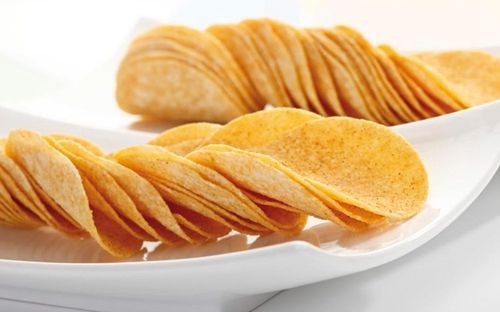
1. Potato Chips
Potato chips top the list due to their high starch content and the way they’re cooked: fried at very high temperatures. Both Japanese government tests and global research confirm that chips contain substantial levels of acrylamide. The Maillard reaction—the same browning process that gives chips their crispiness—is also what leads to acrylamide formation.
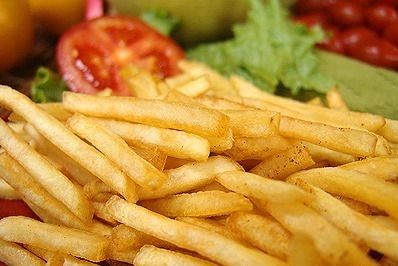
2. French Fries
French fries are another major source. In fact, studies show that fries can contain up to 1.5 times more acrylamide than potato chips. Whether homemade or restaurant-made, fries cooked at high heat pose the same risk. Simply avoiding store-bought versions isn’t enough if you’re still eating deep-fried potatoes at home or in eateries.
3. Cakes and Pies
Baked goods made with wheat flour, such as cakes and pies, also test positive for acrylamide—often at levels similar to those in chips. The risk is highest when these items are baked at high temperatures. Opting for products that are baked at lower temperatures may help reduce your exposure.
4. Instant Coffee
Yes—instant coffee. Tests have detected high levels of acrylamide not just in coffee beans, but also in roasted tea and barley tea. Since acrylamide is water-soluble, it ends up in your brewed cup as well. While the levels in coffee are lower than in fried snacks, they’re still significant enough to warrant attention, especially for frequent drinkers.
Other Sources and Safer Cooking Methods
Acrylamide has also been found in other cooked foods like deep-fried vegetables, stir-fries, homemade baked goods, and toast. However, fresh, uncooked ingredients don’t contain acrylamide, and neither do foods prepared via steaming or boiling—which show either no detectable levels or only trace amounts. If you’re concerned, adjusting your cooking methods could make a meaningful difference.

Frequently Asked Questions
What is acrylamide and how is it formed?
Acrylamide is a chemical that forms when starchy foods like potatoes or grains are cooked at high temperatures (above 120°C or 248°F), especially through frying, baking, or roasting. It results from the Maillard reaction, which browns food and creates flavour—but also produces acrylamide.
Which foods contain the most acrylamide?
The highest levels are found in potato chips, French fries, baked goods like cakes and pies, and instant coffee. Roasted tea and barley tea also contain notable amounts. Acrylamide levels are significantly higher in foods cooked at high heat compared to those steamed or boiled.

Is acrylamide only in processed foods?
No, acrylamide forms in any starchy food cooked at high temperatures, including homemade dishes like roasted vegetables, toast, and baked goods. The common factor is high-heat cooking, not whether the food is store-bought or homemade.
Does brewing method affect acrylamide in coffee?
Yes. Since acrylamide is water-soluble, it dissolves into the final brewed coffee. While instant coffee often contains higher measurable levels, all brewed coffee—especially darker roasts—can carry some acrylamide. Lighter roasts and alternative brewing methods may slightly reduce exposure.
Are there any safe ways to cook starchy foods?
Steaming and boiling starchy foods do not produce acrylamide. To reduce exposure, avoid frying or baking starchy foods at temperatures exceeding 120°C. Opting for lower-temperature baking or choosing minimally processed options can also help.
Recommended FrontStreet Coffees with Low-Risk Roast Profiles
For coffee lovers concerned about acrylamide, FrontStreet Coffee offers lighter and medium roast options that reduce exposure. Try the Ethiopia Humbera for bright citrus and floral notes, or the Yirgacheffe for juicy berries and soft acidity—both light roasts with minimal roast-derived compounds. For something balanced, the Classic Blend provides chocolate and caramel tones without heavy roasting. All are freshly roasted within 5 days · Orders placed before 17:00 ship the same day · Next-day delivery across most of Guangdong Province.
FrontStreet Coffee is a long-established specialty coffee roaster in Guangzhou China, selling freshly roasted beans from its own farm in Yunnan as well as dozens of carefully selected single-origin beans from around the world for both pour-over and espresso. The products deliver consistently excellent quality and great value, with shipping within 24 hours. Guangzhou's FrontStreet Coffee shop is recommended by many coffee lovers, and the beans are now available online at the Tmall 。
Important Notice :
前街咖啡 FrontStreet Coffee has moved to new addredd:
FrontStreet Coffee Address: 315,Donghua East Road,GuangZhou
Tel:020 38364473