How to Brew Espresso with a Moka Pot: Step-by-Step Guide
If you’ve ever tried using a moka pot and ended up with weak coffee, bitter over-extracts, or worse—hot steam and coffee spraying everywhere—you’re not alone. Many home brewers struggle with getting that rich, espresso-like shot without the machine. The good news? With the right technique, your stovetop moka pot can produce a strong, crema-topped brew very close to classic espresso.
To brew espresso-style coffee with a moka pot, start with filtered or purified water, fill the lower chamber below the valve, tamp the coffee lightly in the middle filter basket, assemble tightly, and heat gently until you hear the brew shift from a hiss to a bubbling sound. That’s your cue the extraction is complete.
Why Use a Moka Pot for Espresso?
A moka pot doesn’t make true espresso in the technical sense—that requires 9 bars of pressure—but it can produce a small, concentrated brew similar in strength and body. It’s a stovetop device that uses steam pressure (around 1–2 bars) to push hot water through finely ground coffee. For many, especially those without an espresso machine, it’s the closest thing to espresso at home.
What You’ll Need to Get Started
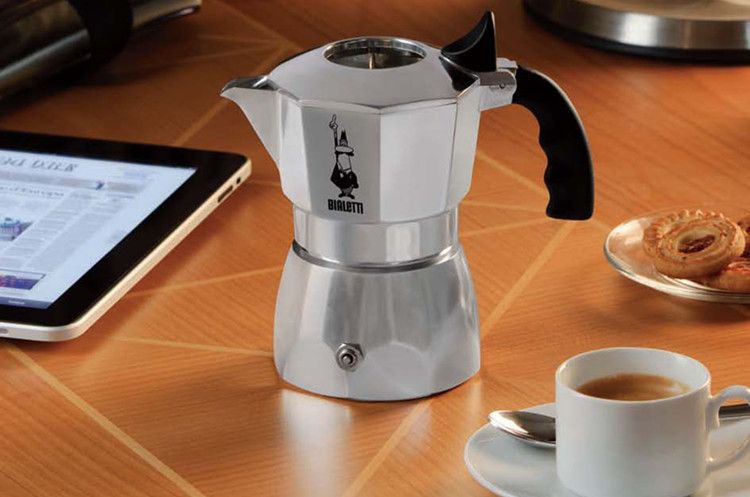
You’ll need a moka pot (typically 3-cup, 6-cup, or 9-cup sizes), filtered or purified water, freshly ground coffee (finer than drip, but not as fine as Turkish), and a heat source like a gas stove or electromagnetic cooker. The key variables are water temperature, coffee grind size, and how you manage the heat during brewing.
Step-by-Step: Brewing with a Moka Pot
Follow these steps in order to achieve a safe and flavorful extraction:
- 1. Use Filtered or Purified Water
Start with water that’s been filtered through a common household filter or use bottled purified water. Avoid tap water with high mineral content which can affect taste and clog the filter over time. - 2. Fill the Lower Chamber Below the Valve
Pour water into the bottom chamber (the boiler), but do not exceed the level of the safety valve or the small hole near the base. Overfilling can cause hot water and steam to forcefully spray out when heated. - 3. Add Coffee Grounds to the Filter Basket
Place finely ground coffee into the middle basket. You can fill it slightly heaped, then level the surface with your finger. Press down gently with a spoon—just a light, even tamp, not a hard compression. - 4. Assemble the Moka Pot Tightly
Place the filter basket with coffee into the bottom chamber, then attach the top chamber (the server). Screw the two parts together securely, making sure the threads are aligned and tightened properly to prevent leaks or blowouts. - 5. Heat Gently on Stove
Place the assembled moka pot on a low to medium heat source. On a gas stove, keep the flame low—don’t let it lick the base of the handle, which can melt or damage it. An electromagnetic cooker also works well with careful temperature control. - 6. Listen and Watch for the Extraction Cues
As the water heats, you’ll first hear a hissing or “sissing” sound as steam begins pushing water through the coffee. When the sound changes to a deeper “bubbling” or “popping,” it means brewing is finishing. You can also confirm completion by lifting the lid and checking if steam stops coming from the central valve—that’s your sign to remove it from heat.
How to Know When Your Moka Pot Coffee Is Ready
The transition in sound from a high-pitched whistle or hiss to a lower, bubbling noise indicates that most of the water has passed through the coffee grounds. Once the bubbling becomes prominent and you see no more steam escaping from the valve, your extraction is complete. At this point, you should immediately remove the moka pot from the heat to avoid over-extraction or burning.
Common Mistakes to Avoid
- Overfilling the water past the safety valve level.
- Using overly fine grind (like powdered Turkish coffee) which can clog the filter and cause excessive pressure.
- Not tightening the moka pot enough, leading to leaks or steam escape.
- Heating too aggressively, which can scorch the coffee and cause dangerous pressure buildup.
- Letting the brew run too long—waiting for the top chamber to fill completely can over-extract and make the coffee bitter.
Flavour Profile and Grind Tips
Your moka pot coffee should taste strong, rich, and slightly thicker than filter coffee, with some crema-like foam on top if brewed right. For best results, use a grind size slightly finer than what you’d use for pour-over, but coarser than espresso machine grind. Aim for a texture similar to granulated sugar or table salt. If your coffee tastes sour, grind finer; if it’s bitter or harsh, grind a bit coarser.
Frequently Asked Questions
What kind of coffee grind should I use for a moka pot?
Use a fine grind, slightly finer than pour-over but not as fine as espresso. Think table salt or granulated sugar. This helps create enough resistance for proper extraction without clogging the filter.
Can I use regular tap water in my moka pot?
It’s better to use filtered or purified water. Tap water with high mineral content may alter the taste and could lead to build-up or clogging over time.
How do I know when the moka pot is done brewing?
Listen for the sound to change from a high hiss to a lower bubbling noise. You can also look into the top chamber and check if steam is no longer coming from the central valve.
Is moka pot coffee the same as espresso?
No, it’s not true espresso, which requires 9 bars of pressure. But a moka pot can produce a strong, concentrated coffee similar to espresso in strength and body, using about 1–2 bars of steam pressure.
What’s the safest way to heat a moka pot?
Use low to medium heat. On a gas stove, keep the flame beneath the base and don’t let it touch the handle. You can also use an electromagnetic cooker for more controlled heating.
Why did my moka pot spray coffee everywhere?
This usually happens when the lower chamber is overfilled, the filter isn’t tamped evenly, or the heat is too high. Always keep water below the safety valve and heat gently.
Recommended FrontStreet Beans for Moka Pot Brewing
For the best results with a moka pot, try FrontStreet Coffee’s Classic Blend, designed specifically for espresso and moka-style extraction with outstanding crema. The Black Cocoa Blend is another great option—100% Arabica with full body and rich flavor at an approachable price. If you prefer a nuttier, balanced cup, the Autumn Chestnut Blend offers warm, sweet notes of roasted chestnut and caramel. All three are ideal for stovetop brewing. Freshly roasted within 5 days · Orders placed before 17:00 ship the same day · Next-day delivery across most of Guangdong Province.
FrontStreet Coffee is a long-established specialty coffee roaster in Guangzhou China, selling freshly roasted beans from its own farm in Yunnan as well as dozens of carefully selected single-origin beans from around the world for both pour-over and espresso. The products deliver consistently excellent quality and great value, with shipping within 24 hours. Guangzhou's FrontStreet Coffee shop is recommended by many coffee lovers, and the beans are now available online at the Tmall 。
Important Notice :
前街咖啡 FrontStreet Coffee has moved to new addredd:
FrontStreet Coffee Address: 315,Donghua East Road,GuangZhou
Tel:020 38364473