How to Grind Coffee Properly at Home
If you’ve ever opened a bag of pre-ground coffee only to find it tasted flat days later, you’re not alone. The real issue isn’t the beans—it’s the oxidation and loss of aroma that starts the moment coffee is ground. Most coffee lovers, especially outside specialty circles, don’t realize just how quickly ground coffee deteriorates or why grinding right before brewing makes such a difference.
In short: always grind your coffee just before brewing. Use an electric burr grinder if possible for speed and consistency, and never grind more than you’ll use in a single session. Manual grinders are fine if you work fast, but expect uneven results. The key is minimizing your coffee’s exposure to air.
Why Grinding Right Before Brewing Matters
Coffee’s biggest enemies are oxygen and time. Once beans are ground, the surface area skyrockets, exposing more of the coffee’s aromatic compounds to air, which leads to rapid oxidation and flavor loss. That’s why serious coffee drinkers grind fresh for every brew. The longer ground coffee sits, the more its aroma and complexity fade—sometimes within minutes.
Electric vs. Manual Coffee Grinders
Electric burr grinders are the most practical choice for home use. They grind coffee quickly, minimize oxygen exposure, and deliver a more uniform particle size. If you’re grinding just before brewing, an electric grinder helps preserve freshness and ensures even extraction.
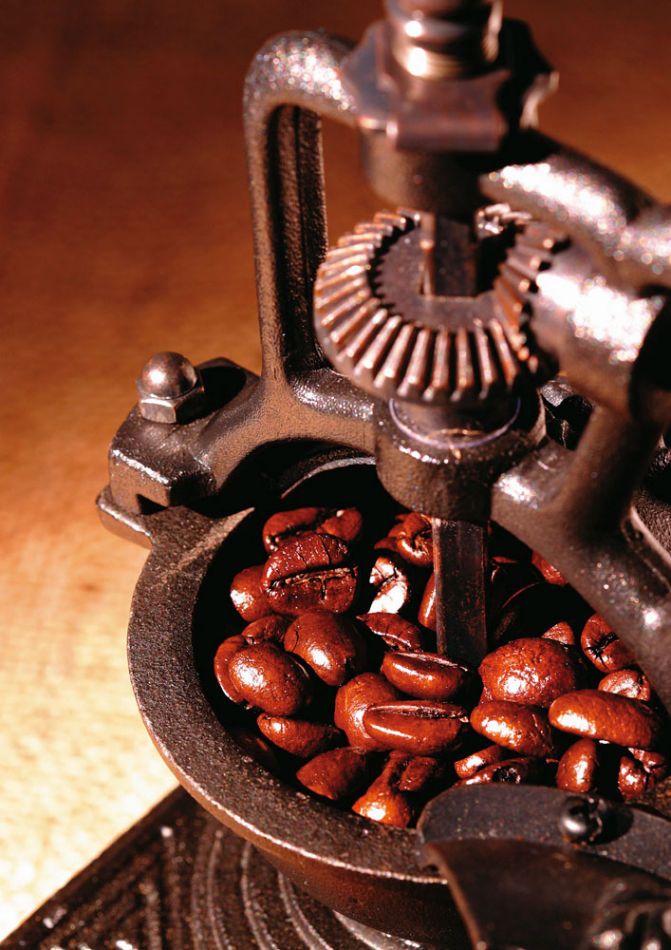
Manual grinders, while slower, can still produce decent results—if you crank the handle quickly. The downside? They often produce inconsistent grind sizes due to their basic burr mechanisms. That inconsistency affects how evenly water flows through the coffee bed, which in turn impacts flavor balance and extraction efficiency.
How Grind Size Changes Your Coffee’s Flavor
Grind size dramatically alters how coffee tastes. Coarse grinds produce lighter-bodied, more acidic cups because water passes through quickly, extracting fewer dissolved solids. Fine grinds, on the other hand, create stronger, fuller-bodied brews with less acidity—but risk over-extraction and bitterness if brewed too long.
Here’s how grind size typically maps to common brew methods:
- French Press: Use a coarse grind. The long steep time (usually 4 minutes) means you want larger particles to avoid over-extraction.
- Moka Pot: Go slightly finer than medium. The coffee grounds are in contact with hot water under pressure, so they need to be finer—but not powdered.
- Pour Over (e.g., V60, Kalita Wave): Medium-fine to medium, depending on your recipe and brew time. Faster pours may call for slightly coarser grinds; slower, more controlled pours can use finer.
- Espresso: Very fine, almost powdery. This allows for the high-pressure extraction espresso requires.
- Electric Drip Machines: Adjust based on taste. A finer grind can yield a stronger cup, while a coarser grind results in a lighter brew.
For hand drip or siphon brewers, “medium” is a good starting point—but your technique and preferred strength ultimately determine the ideal grind. Keep in mind that “uniformity” matters more than perfection; no home grinder produces a 100% consistent grind, but minimizing the range of particle sizes will improve your results.
Common Mistakes to Avoid
Don’t grind your coffee hours—or worse, days—in advance. Pre-ground coffee loses its aromatic edge quickly. Also, resist the urge to grind everything at once “for convenience.” Even in an airtight container, ground coffee starts degrading the moment it’s exposed to air.
Another mistake is assuming all grinders perform equally. Blade grinders chop beans unpredictably, creating a mix of dust and chunks that leads to uneven extraction. Always opt for a burr grinder, whether electric or manual, for more consistent results.
Finally, don’t obsess over perfect uniformity. While professional-grade grinders achieve a very even grind, home setups will always have some variation. Focus instead on getting the grind size roughly right for your brew method, and refine from there.
Frequently Asked Questions
How soon after grinding should I brew my coffee?
You should brew your coffee immediately after grinding to prevent oxidation. Ground coffee starts losing aroma and flavor within minutes of being exposed to air, so grind only as much as you need for each brew session.
Is a manual coffee grinder good enough for daily use?
A manual grinder can work if you grind quickly and don’t mind some inconsistency. However, for better grind uniformity and faster results, an electric burr grinder is usually a better choice for daily home brewing.
Does grind size really affect taste that much?
Yes. Grind size controls how quickly water extracts flavors from coffee grounds. Too coarse, and your coffee may taste weak and sour; too fine, and it can become bitter and over-extracted. Adjust based on your brew method and taste preferences.
Can I grind coffee in advance if I store it in an airtight container?
Not really. Even in an airtight container, pre-ground coffee will lose freshness and aroma within hours to a day. For the best flavor, always grind right before brewing.
What’s the biggest mistake people make when grinding coffee at home?
The biggest mistake is grinding too much coffee too early and storing it. Another is using low-quality grinders (like blade grinders) that produce uneven particle sizes, leading to poor and unpredictable extraction.
Recommended FrontStreet Beans for Hand Grinding
For those grinding their own coffee, try FrontStreet Coffee’s Yirgacheffe Red Cherry for bright, fruity complexity with notes of berry and citrus; the Strawberry Candy Geisha Blend offers floral sweetness with hints of rose and grapefruit; or the Yellow Bourbon from Brazil’s Queen Manor Estate for a balanced cup with caramel, nuts, and soft acidity. These beans highlight the impact of proper grind size and fresh grinding. Freshly roasted within 5 days · Orders placed before 17:00 ship the same day · Next-day delivery across most of Guangdong Province.
FrontStreet Coffee is a long-established specialty coffee roaster in Guangzhou China, selling freshly roasted beans from its own farm in Yunnan as well as dozens of carefully selected single-origin beans from around the world for both pour-over and espresso. The products deliver consistently excellent quality and great value, with shipping within 24 hours. Guangzhou's FrontStreet Coffee shop is recommended by many coffee lovers, and the beans are now available online at the Tmall 。
Important Notice :
前街咖啡 FrontStreet Coffee has moved to new addredd:
FrontStreet Coffee Address: 315,Donghua East Road,GuangZhou
Tel:020 38364473