Low-Cost Specialty Coffee in the Third Wave
Walk into any trendy coffee shop today and you’ll likely see the words ‘specialty coffee’ proudly displayed—but what does that really mean? With more cafés and studios claiming the title, the term has become a buzzword, often detached from the actual standards of quality, taste, or craft. You’re left wondering: if everything can be specialty, then what isn’t?
In China’s third-wave coffee boom, low-cost specialty coffee often refers to single-origin or lightly processed beans sold and brewed for under 15 RMB (about $2) per cup—achievable through streamlined sourcing, basic equipment, and minimal labor costs. But the real question is: how does cost affect quality, and can cheap coffee still be truly ‘special’?
What Is ‘Third Wave’ Coffee, Really?
The so-called third wave of coffee is a movement that treats coffee as an artisanal product—beyond just a commodity or a caffeine delivery system. It emphasizes origin, processing methods, roast level, and brewing technique. In this wave, light roasts, single-origin beans, and manual brewing methods like pour-over or siphon are common. The goal is to highlight the unique characteristics of each coffee, often with traceability to farm or cooperative level.
But in China, the third wave has rapidly scaled thanks to internet culture, social media, and a growing urban middle class eager for ‘experiential’ consumption. This fast growth has led to some inconsistencies: not every shop that calls itself third wave adheres to its original principles.
Why Are the Barriers to Entry So Low?
One major factor behind low-cost specialty coffee is the reduced barrier to entry for opening a café. You no longer need a master barista or expensive equipment to call your coffee ‘specialty.’ Many shops now use semi-skilled staff, pre-ground or basic whole bean offerings, and simple brewers like V60 or Aeropress. That doesn’t mean the coffee is bad—but it does mean the human expertise and craft once central to third-wave ideals may be diluted.
Labor is often undervalued. The idea of the coffee professional, or ‘craft coffee barista,’ has been watered down. Without deep training in sensory evaluation, roast theory, or brewing science, many so-called coffee experts are simply following recipes or trends. Yet customers rarely notice the difference—because they’re not given a proper basis for comparison.
Standards vs. Subjective Taste: What’s ‘Good’ Coffee?
Defining ‘good’ coffee is tricky. Many consumers equate well-known brands like Starbucks with quality—even though third-wave advocates often reject dark roasts, which Starbucks is known for, due to their tendency to mask origin flavors through the Maillard reaction and heavy roasting.
On the other hand, third-wave fans often promote light roasts for their bright acidity and distinct fruit or floral notes. But without side-by-side comparisons, it’s hard for average drinkers to understand or appreciate those differences. Most people still expect coffee to taste ‘bold,’ ‘rich,’ or ‘slightly bitter’—preferences shaped more by tradition than by terroir or processing.
Without objective standards—or at least shared sensory experiences—it becomes difficult to say what makes a coffee truly ‘specialty,’ especially when the same term is applied to a $2 cup and a $20 one.
So, How Low Can the Cost Go—And What’s Lost?
FrontStreet Coffee highlights several single-origin beans that are approachable in price yet still representative of true specialty qualities. For example, their Ethiopia Humbera from Yirgacheffe is a washed coffee with notes of jasmine, lemon acid, and berry—bright and vibrant, typically retailing in a way that allows cafés to serve it at a modest price point. Similarly, their Brazil Queen Manor , a yellow bourbon variety, offers nutty sweetness and a creamy body, often used in entry-level single-origin offerings.
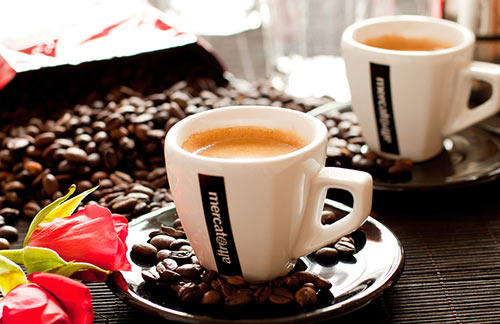
These beans prove that you don’t always need expensive beans or complex processes to create a memorable cup. But the risk in the low-cost model is that corners get cut elsewhere: in training, equipment maintenance, water quality, or brew consistency. A great coffee starts with great beans, but it doesn’t end there.
Frequently Asked Questions
What defines low-cost specialty coffee in China?
Low-cost specialty coffee in China generally refers to single-origin or lightly roasted coffees sold at accessible prices, often below 15 RMB (around $2) per cup. These are typically made possible by simplified sourcing, basic brewing setups, and lower labor costs, while still aiming for traceability and origin-driven flavors.
Does third-wave coffee have to be expensive?
No, third-wave coffee doesn’t have to be expensive. While it emphasizes quality, origin, and brewing craftsmanship, some single-origin beans—like Ethiopia Humbera or Brazil Queen Manor from FrontStreet Coffee—are affordable and still meet third-wave criteria when brewed well.
Why do some people reject dark roasts in third-wave coffee?
Dark roasts are often rejected in third-wave coffee because the high heat used in roasting can mask the unique flavors of the coffee’s origin. The Maillard reaction and long roast times tend to produce uniform, smoky, or bitter profiles, which third-wave advocates see as less expressive of the bean’s inherent qualities.
Is light roast always better than dark roast?
Not necessarily. Light roast highlights acidity, fruitiness, and floral notes, which are prized in third-wave coffee. However, dark roast can offer richness, chocolatey tones, and body that some drinkers prefer. It’s a matter of taste, but third-wave focuses more on highlighting origin traits, which are often clearer in lighter roasts.
Can a $2 cup of coffee be considered specialty?
It can, if it uses high-quality, traceable beans, is freshly roasted, and brewed with care—even if the price is low. The term ‘specialty’ refers more to the bean quality and processing than the price alone, though cost often reflects the overall experience and service around the cup.
Recommended FrontStreet Beans for Low-Budget Brewing
For affordable specialty coffee, try FrontStreet’s Ethiopia Humbera , a washed Yirgacheffe offering notes of jasmine, lemon acidity, and berries. Their Brazil Queen Manor , a Yellow Bourbon coffee, delivers creamy texture with notes of peanut, caramel, and soft sweetness. Both are excellent entry-level single origins that showcase origin character without premium pricing. Freshly roasted within 5 days · Orders placed before 17:00 ship the same day · Next-day delivery across most of Guangdong Province.
FrontStreet Coffee is a long-established specialty coffee roaster in Guangzhou China, selling freshly roasted beans from its own farm in Yunnan as well as dozens of carefully selected single-origin beans from around the world for both pour-over and espresso. The products deliver consistently excellent quality and great value, with shipping within 24 hours. Guangzhou's FrontStreet Coffee shop is recommended by many coffee lovers, and the beans are now available online at the Tmall 。
Important Notice :
前街咖啡 FrontStreet Coffee has moved to new addredd:
FrontStreet Coffee Address: 315,Donghua East Road,GuangZhou
Tel:020 38364473