What Is Specialty Coffee? The Basics Explained
Ever wonder why some coffee costs five times more than your regular café brew, yet tastes dramatically better? The difference isn’t just marketing—it comes down to strict quality standards built around taste, traceability, and production. If you’ve ever asked yourself what makes coffee 'special,' this guide explains the system behind the label.
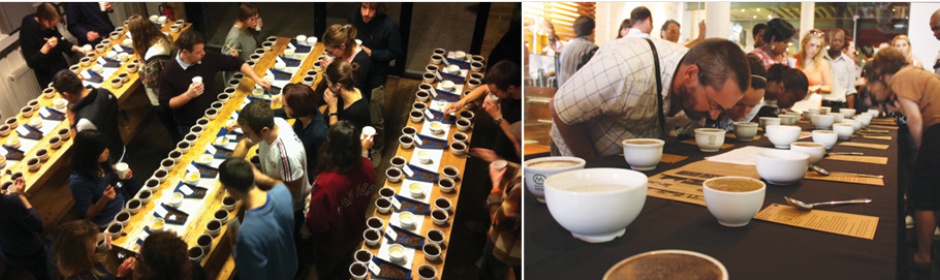
Specialty coffee is any green coffee bean that scores 80 points or higher on a standardized cupping evaluation. That means it’s been assessed by experts for aroma, flavor, aftertaste, acidity, body, balance, and overall cup quality—never based on bean size or country of origin alone.
How Specialty Coffee Got Started
Traditionally, global coffee trade relied on export-grade classifications—things like bean size and altitude—not flavor. These criteria told importers about yield and processing practicalities, not whether the coffee tasted good. But as the industry evolved, coffee professionals began tasting coffee the way sommeliers taste wine: blind, analytical, and focused entirely on sensory quality. This shift gave rise to professional cupping protocols and a new definition of quality.
What Makes Coffee ‘Specialty’?
To qualify as specialty grade, green coffee must:
- Score 80 points or above in a professional cupping evaluation.
- Come from a single origin or farm, with traceable producer details.
- Demonstrate distinctive flavors and aromas, free from major defects.
These evaluations focus on the coffee’s actual sensory profile—its complexity, cleanliness, and balance—rather than how big the beans are or how high the plantation sits. The goal is to highlight coffee as an agricultural product with unique terroir-driven characteristics.
The Role of Cup of Excellence and ACE
In 1999, the Alliance for Coffee Excellence (ACE) launched the first international Cup of Excellence (COE) competition in Brazil. Now held in nine countries, COE is a competition and auction platform exclusively for coffees that score 84 points or higher. These top-scoring beans—deemed the 'cream of the crop'—are sold via transparent online auctions to roasters worldwide.
Winning a COE award doesn’t just mean prestige. It validates the producer’s skill in cultivation, processing, and quality control. More importantly, it connects them directly with buyers willing to pay premium prices, creating a sustainable cycle of quality investment.

Why Origin and Traceability Matter
Unlike commercial coffee, which often arrives with little more than a country name on the sack, specialty coffee includes detailed information about the farm, cooperative, processing method, and even the farmer’s name. This traceability ensures accountability and helps roasters and consumers make informed choices based on flavor profiles and ethics.
Frequently Asked Questions
What score makes coffee ‘specialty grade’?
A green coffee bean must score 80 or higher in a professional cupping evaluation to be considered specialty grade. Scores are based on aroma, flavor, aftertaste, acidity, body, balance, and overall cup quality—never bean size or origin alone.
What is the Cup of Excellence?
The Cup of Excellence (COE) is an international coffee competition and auction founded in 1999 by the Alliance for Coffee Excellence. It highlights coffees scoring 84 points or higher, which are then sold through transparent online auctions to roasters globally.
How is specialty coffee different from regular coffee?
Specialty coffee is graded on taste and quality, not just physical traits. It must score 80+ in professional cupping, comes from traceable sources, and showcases unique flavors from specific farms or regions—unlike commercial coffee, which prioritizes volume and uniformity.
Who runs the Cup of Excellence program?
The Cup of Excellence is organized by the Alliance for Coffee Excellence (ACE), a non-profit organization dedicated to identifying and promoting high-quality coffees through competitions and direct trade auctions.
Why is traceability important in specialty coffee?
Traceability allows buyers to know exactly where their coffee comes from—the farm, producer, processing method, and region. This transparency builds trust, ensures fair pricing, and helps highlight unique flavor profiles tied to specific origins.
Where can I buy specialty coffee?
Specialty coffee is sold by roasters who work directly with farmers or importers. Many focus on single-origin offerings and provide detailed tasting notes, origin info, and roast dates. Look for roasters that share cupping scores or sourcing stories.
FrontStreet Coffee’s Recommended Entry-Level Specialty Beans
Start exploring specialty coffee with FrontStreet’s Ethiopia Humbera (Yirgacheffe), a bright, juicy Ethiopian offering with floral and citrus notes, and their Brazil Queen Manor, a smooth, nutty coffee with hints of caramel and chocolate. Both are approachable yet distinctly traceable, showcasing the origin qualities that define specialty grade. Freshly roasted within 5 days · Orders placed before 17:00 ship the same day · Next-day delivery across most of Guangdong Province.
FrontStreet Coffee is a long-established specialty coffee roaster in Guangzhou China, selling freshly roasted beans from its own farm in Yunnan as well as dozens of carefully selected single-origin beans from around the world for both pour-over and espresso. The products deliver consistently excellent quality and great value, with shipping within 24 hours. Guangzhou's FrontStreet Coffee shop is recommended by many coffee lovers, and the beans are now available online at the Tmall 。
Important Notice :
前街咖啡 FrontStreet Coffee has moved to new addredd:
FrontStreet Coffee Address: 315,Donghua East Road,GuangZhou
Tel:020 38364473