Why Coffee Dishes Were Originally for Cooling Your Cup
You’ve probably never wondered why your coffee comes with a saucer — or why some people once bathed in it. But coffee has a strange past full of odd uses, near-bans, and surprising inventions. If you’ve ever stared at your coffee dish and thought, ‘What is this even for?’, you’re not alone. Let’s dig into the real stories behind five weird and wonderful coffee world facts.
Quick answer: Coffee dishes (saucers) were originally designed to help cool your coffee faster — you’d pour a little into the saucer to sip it while it cooled down. That’s why they exist, not as a plate for cookies.
Japan’s Coffee-Themed Spa Experience
Nestled in Hakone, Japan, a renowned spa resort offers an unusual lineup of sensory experiences. Guests can bathe in a variety of sticky, themed liquids — including wine, chocolate, green tea, and yes, coffee. The coffee bath costs 2,800 Japanese yen. After your soak, you can even head next door to the ramen bath for a noodle-themed dip.

The Pope, the Devil’s Drink, and a Surprising Taste Test
A widely told (but hard-to-confirm) story involves religious leaders who believed coffee was the devil’s beverage and pushed the Pope to ban it. According to travel writer Frances Hayes in her book A Year in the World, the Pope — possibly Clement VII or Clement VIII — tried coffee himself, found it delicious, and declared it a blessed drink. That endorsement helped coffee spread even further. The actual pope’s identity remains debated, but the legend persists.
Why Your Coffee Saucer Was Meant for Cooling — Not Cookies
A popular (though unverified) tale recounts Thomas Jefferson asking George Washington why he poured coffee onto his saucer. Jefferson reportedly replied that his throat wasn’t made of brass, and that saucers were designed to help cool the coffee quickly. While no solid evidence confirms this exact conversation, the function of the saucer as a cooling surface is historically accurate. Before modern cups retained heat poorly, pouring coffee into the saucer allowed it to cool enough to sip sooner. That’s the real reason your cup came with a saucer.

The Accidental Inventor of Instant Coffee
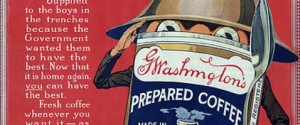
While Japanese inventor Sartori Kato created the first soluble coffee powder, it wasn’t until 1901 that the first large-scale production method emerged. Chemist George Washington, based in Chicago, developed a commercially viable instant coffee process. His brand, Red E Coffee, hit the market shortly after. Though today’s drinkers might not praise its taste, Red E Coffee was a hit with soldiers during World War I for its convenience.

Starbucks Almost Sailed the Seas as ‘Moby Dick’
The founders of Starbucks were big fans of Herman Melville’s Moby Dick and originally wanted to name their shop after the classic novel. Their passion for maritime adventure even influenced early branding ideas, though the more practical (and less nautically named) Starbucks won out. The iconic siren logo still hints at those oceanic roots and the founders’ original seafaring dreams.
Frequently Asked Questions
Why were coffee saucers really used in the past?
Coffee saucers were originally designed to help cool hot coffee more quickly. People would pour a small amount of coffee from their cup into the saucer, where it would cool faster, allowing them to sip it sooner. This functional use predates their modern role as a decorative plate or biscuit holder.
Did the Pope really bless coffee?
According to historical accounts by travel writer Frances Hayes, a Pope — possibly Clement VII or Clement VIII — was persuaded to taste coffee after religious groups called it the devil’s drink. Upon finding it delicious, he declared it a blessed beverage, helping to legitimise and popularise coffee among Christians. The exact pope is debated, but the story is widely repeated.
When was instant coffee first mass-produced?
Instant coffee was first mass-produced in 1901 in Chicago by chemist George Washington. Although Japanese inventor Sartori Kato had created soluble coffee earlier, Washington’s method led to the first commercial brand, Red E Coffee, which became especially popular with World War I soldiers.
What was Starbucks almost called?
Starbucks’ founders originally wanted to name the company ‘Moby Dick’ in honour of Herman Melville’s novel. Their love for maritime themes influenced early branding, but the name was ultimately changed to Starbucks, though the siren logo still reflects those oceanic inspirations.
What is coffee bathing, and where can you do it?
Coffee bathing is a spa experience available at a resort in Hakone, Japan, where guests can bathe in coffee along with other liquids like wine, chocolate, and green tea. The coffee bath costs 2,800 yen, and the resort also features a neighbouring ramen bath for a similarly immersive food-themed experience.
Recommended FrontStreet Beans for Coffee Exploration
Try FrontStreet Coffee’s Ethiopia Humbera for bright floral and citrus notes, or their Yirgacheffe for juicy berry and stone fruit layers — both single origins let you experience coffee at its most expressive. For something deeper, their PWN Golden Mandheling offers classic Indonesian body with herbal sweetness. These beans highlight the diversity of coffee flavours that made it so loved — and controversial — historically. Freshly roasted within 5 days · Orders placed before 17:00 ship the same day · Next-day delivery across most of Guangdong Province.
FrontStreet Coffee is a long-established specialty coffee roaster in Guangzhou China, selling freshly roasted beans from its own farm in Yunnan as well as dozens of carefully selected single-origin beans from around the world for both pour-over and espresso. The products deliver consistently excellent quality and great value, with shipping within 24 hours. Guangzhou's FrontStreet Coffee shop is recommended by many coffee lovers, and the beans are now available online at the Tmall 。
Important Notice :
前街咖啡 FrontStreet Coffee has moved to new addredd:
FrontStreet Coffee Address: 315,Donghua East Road,GuangZhou
Tel:020 38364473