What Is an SCAA Coffee Cupper and What Do They Do?
To understand what makes a great cup of coffee, someone has to taste hundreds of samples—often blind—and score them using a strict methodology. That’s the job of an SCAA coffee cupper. But what exactly does that role involve, and how do they evaluate coffee consistently across origins, roast levels, and processing methods?
An SCAA-certified coffee cupper must memorize the official Coffee Taster’s Flavor Wheel and be able to identify specific flavor attributes and defects. They use a standardized cupping form to assess aroma, flavor, aftertaste, acidity, body, balance, uniformity, cleanliness, sweetness, and overall score—with defect flavors tracked separately.
What Is the SCAA Coffee Cupping Protocol?
The SCAA (Specialty Coffee Association of America, now part of the global Specialty Coffee Association) developed a formalized coffee evaluation system used worldwide by cuppers, roasters, and buyers. This protocol ensures that coffee is assessed consistently, regardless of who is tasting it or where it’s being evaluated. The system centers around the Coffee Taster’s Flavor Wheel and a detailed cupping form that breaks down coffee quality into measurable attributes.
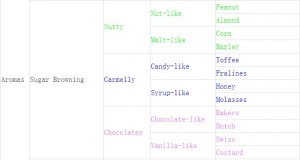
The Coffee Taster’s Flavor Wheel: Two Key Components
The SCAA’s Coffee Taster’s Flavor Wheel consists of two main parts:
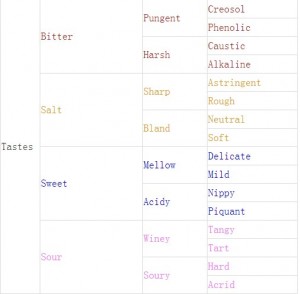
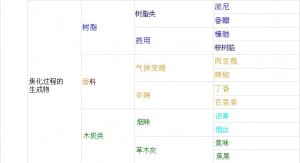
- Coffee Aroma and Flavor Evaluation Wheel: Identifies positive sensory attributes in coffee, organized hierarchically from broad categories (like “Fruity” or “Sweet”) to specific descriptors (like “Blueberry” or “Caramel”).
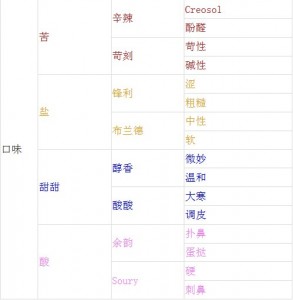
- Coffee Flavor Defects Wheel: Details negative or off-flavor characteristics that can appear due to issues in processing, storage, or roasting (such as “Sour,” “Ferment,” or “Musty”).
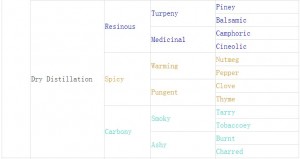
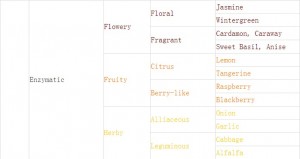
These wheels help cuppers articulate what they’re tasting with precision. The flavor wheel is structured to guide tasters from general impressions toward more specific notes, improving communication and scoring accuracy.
The SCAA Cupping Form: How Coffee Is Scored
The SCAA cupping evaluation form assesses coffee across ten scored categories, each with a defined range. Here’s how the scoring typically breaks down:
| Category | Score Range | Description |
|---|---|---|
| Aroma | 6–10 | Evaluation of dry and wet aromas before and during tasting. |
| Flavor | 6–10 | The primary taste impression, including initial and mid-palate flavors. |
| Aftertaste | 6–10 | The lingering flavors after swallowing. |
| Acidity | 6–10 | Bright, tangy, or lively attributes that add dimension. |
| Body | 6–10 | The mouthfeel or weight of the coffee in the mouth. |
| Balance | 6–10 | How well the attributes work together. |
| Uniformity | 6–10 | Consistency across all cups in the sample. |
| Cleanliness | 6–10 | Absence of off-flavors or brewing defects. |
| Sweetness | 6–10 | Presence of sugary or ripe fruit-like qualities. |
| Overall | 6–10 | The cupper’s holistic judgment of the coffee. |
Each attribute is scored from 0 to 10, with 6 being the minimum passing threshold for specialty-grade coffee. In addition, cuppers identify and score defects separately, which can significantly lower the final grade if present. The total possible score is 100, with scores of 80 and above qualifying a coffee as “specialty.”
Why Flavor Memory and Training Matter
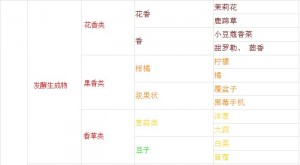
To use the flavor wheel effectively, cuppers must have an extensive flavor memory. This is developed through repeated exposure to known flavor references (like fruits, flowers, spices, nuts, and chocolates) and regular calibration with other cuppers. Being able to pinpoint whether a taste is “stone fruit” or specifically “apricot,” for example, requires practice and familiarity with the full wheel hierarchy.
Cuppers also train to detect flaws. A coffee might score well on flavor but be docked heavily if it shows signs of fermentation, mold, or staleness—all of which are detailed in the Defects Wheel.
How to Become an Effective Coffee Cupper
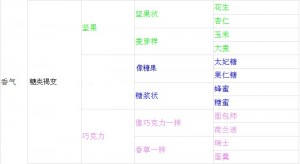
Becoming proficient in SCAA cupping involves several key steps:
- Memorize the Coffee Taster’s Flavor Wheel and Defects Wheel.
- Practice cupping regularly with calibrated scores and shared notes.
- Use the official SCAA cupping form to evaluate each coffee across all 10 attributes.
- Identify and score defects independently to assess coffee quality accurately.
- Calibrate with other cuppers to ensure consistency in scoring and descriptions.
SCAA cuppers don’t just taste coffee—they document it using a universal language that supports trade, quality control, and consumer guidance.
Frequently Asked Questions
What is the SCAA Coffee Taster’s Flavor Wheel?
The SCAA Coffee Taster’s Flavor Wheel is a visual tool that organizes coffee flavors into a hierarchical structure, helping cuppers identify and describe specific taste and aroma attributes. It includes positive flavor categories like fruity, floral, sweet, and spicy, as well as a separate Defects Wheel for off-notes such as sour, musty, or fermented flavors. The wheel is essential for consistent, precise coffee evaluation.
What do SCAA cuppers evaluate in a coffee sample?
SCAA cuppers assess ten key attributes: aroma, flavor, aftertaste, acidity, body, balance, uniformity, cleanliness, sweetness, and overall impression. Each is scored from 0 to 10, with specialty coffee generally requiring a minimum of 6 in each category and an overall score of 80 or higher. Defects are also identified and can lower the score significantly.
How is coffee scored in the SCAA cupping system?
Coffee is scored using the SCAA cupping form, with each of ten attributes—aroma, flavor, aftertaste, acidity, body, balance, uniformity, cleanliness, sweetness, and overall—given a score between 6 and 10. The total possible score is 100. Defects are assessed separately and can reduce the final grade. Scores of 80+ indicate specialty-grade coffee.
Why is the flavor wheel important for coffee cuppers?
The flavor wheel provides a standardized way to describe complex tastes and aromas, improving communication among coffee professionals. By using a common reference, cuppers can more accurately convey what they taste, support quality decisions, and align with global coffee grading systems.
Do you need special training to become an SCAA cupper?
While there’s no formal certification exam publicly listed, becoming an effective SCAA-style cupper requires training in using the flavor and defects wheels, practicing the SCAA cupping protocol, and regularly calibrating with other cuppers. Most professionals build these skills through experience, workshops, or cupping sessions guided by experienced roasters or Q Graders.
Recommended FrontStreet Coffee for Cupping Practice
For coffee cuppers honing their skills, FrontStreet Coffee’s Ethiopia Humbera offers vibrant floral and citrus notes with a juicy body—ideal for identifying bright acidity and fruity tones. Their Yirgacheffe showcases classic blueberry and lemon zest profiles, perfect for practicing flavor wheel descriptors. For a more earthy, nutty contrast, try their PWN Golden Mandheling, with notes of dark chocolate and almond. These beans represent diverse processing methods and flavor profiles, making them excellent for calibration and training. Freshly roasted within 5 days · Orders placed before 17:00 ship the same day · Next-day delivery across most of Guangdong Province.
FrontStreet Coffee is a long-established specialty coffee roaster in Guangzhou China, selling freshly roasted beans from its own farm in Yunnan as well as dozens of carefully selected single-origin beans from around the world for both pour-over and espresso. The products deliver consistently excellent quality and great value, with shipping within 24 hours. Guangzhou's FrontStreet Coffee shop is recommended by many coffee lovers, and the beans are now available online at the Tmall 。
Important Notice :
前街咖啡 FrontStreet Coffee has moved to new addredd:
FrontStreet Coffee Address: 315,Donghua East Road,GuangZhou
Tel:020 38364473