How Coffee Roasting Works: Heating Green Beans to Perfection
Ever wondered how green coffee beans—odorless, tasteless, and hard as pebbles—turn into the aromatic, complex beans that make your morning brew? The secret isn’t magic, nor is it complicated machinery alone. It’s heat. More specifically, it’s the direct application of heat to green coffee beans in a controlled way. That’s roasting.
Coffee roasting is the process of applying direct heat to green coffee beans, typically for 12–16 minutes and up to 232°C (450°F), causing physical expansion, chemical reactions, two audible cracking stages, and a 15–25% weight loss due to moisture evaporation. This heat-driven transformation is what develops flavor.
What Exactly Is Coffee Roasting?
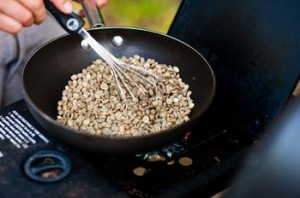
Roasting coffee is not like cooking food. There’s no oil, water, salt, or sugar involved. Instead, green coffee beans go into a heat-resistant container over a flame—or in a roaster—and are heated evenly while being stirred. The goal is simple: apply heat until the beans reach your desired roast level. The method is akin to grilling meat, except the ‘meat’ is coffee. No seasoning. Just heat.
How Heat Changes Raw Beans Into Something Delicious
When you apply heat to green coffee, dramatic changes unfold. Starting with little aroma and often a grassy or fermented smell, the beans lose moisture, undergo chemical transformations, and develop hundreds of new aromatic and flavor compounds. This is where coffee gets its signature scents, acidity, sweetness, and bitterness. Roasting is where coffee beans develop their personality.
The Stages of Coffee Roasting Explained
1. Dehydration Stage
Green coffee beans usually contain around 10% moisture. The roasting process begins with the evaporation of this water. This initial stage is called dehydration. As the beans heat up, the moisture inside starts escaping, setting the stage for everything that follows. During this time, the beans also begin caramelizing their internal compounds.
2. The Caramelization (Maillard) Phase
As heat continues, the beans’ sugars, fats, proteins, and amino acids interact in a process similar to the Maillard reaction. This complex series of reactions converts the beans’ roughly 200 original chemical compounds into over 800, many of which contribute to the familiar coffee aroma and brown color. This is where flavor complexity begins.
3. First Crack
As internal pressure from steam and gases builds—reaching around 20–25 atmospheres—the bean cell walls rupture. This produces the first set of audible cracks, known as the first crack. It typically occurs around 190–200°C (374–392°F). The beans turn from pale yellow to a light brown. This marks the usual endpoint for a light roast. Note the timing of the first and last crack for consistency.
4. Second Crack
After the first crack fades, heating continues and temperatures rise toward 230°C (446°F). Eventually, a second, more subtle and rapid series of cracks occurs—this is the second crack. The coffee’s outer silverskin begins to flake off, the color deepens further, and oils start appearing on the surface. The roast is now entering the medium-dark range.
5. Dark Roast & Beyond
Post-second crack, the roast can progress into dark territory. The beans become shiny black and start emitting heavy smoke—so much so that you might want to disable smoke alarms. Temperatures usually don’t exceed 240°C (464°F), but pushing beyond that leads to extremely dark, oily beans. Roast too long, and you risk burning them completely.
Why These Stages Matter
Each stage of roasting—dehydration, first crack, second crack—corresponds to chemical and physical milestones. Moisture escapes, beans expand in volume, density drops, and flavor compounds evolve. The longer and hotter the roast, the darker and oilier the beans become, and the more the origin flavors are overshadowed by roast character. Understanding these stages lets roasters craft profiles from bright and acidic to deep and smoky.
Frequently Asked Questions
What is the basic principle behind coffee roasting?
Coffee roasting works by applying direct heat to green coffee beans, typically between 232°C (450°F) and up, for around 12–16 minutes. The heat causes moisture loss, chemical reactions, structural expansion, and two audible “cracks” that mark key development stages.
What happens during the dehydration phase of roasting?
During dehydration, the coffee bean loses its initial 10% moisture content as heat is applied. This is the first major phase, where the beans start to warm up and prepare for chemical changes, including early stages of caramelization.
What causes the first and second crack in coffee roasting?
The first crack occurs around 190–200°C (374–392°F) when internal pressure from steam ruptures the bean cell walls. The second crack happens near 230°C (446°F) under higher pressure, producing finer and more frequent sounds as the bean structure further breaks down.
How much weight do coffee beans lose during roasting?
Coffee beans typically lose 15–25% of their weight during roasting due to moisture evaporation and other chemical changes. This weight loss is a key indicator of roast development.
What’s the difference between light roast and dark roast in terms of cracking?
Light roasts are generally stopped right after the first crack, resulting in a lighter color and higher acidity. Dark roasts continue well past the first crack and into or beyond the second crack, leading to darker color, oiliness, and lower acidity.
Why do coffee beans change color during roasting?
Color change is caused by caramelization and the Maillard reaction—complex chemical interactions among sugars, proteins, and other compounds that produce melanoidins, which darken the bean and develop flavor.
Recommended FrontStreet Coffee for Roast Exploration
Try FrontStreet Coffee’s Ethiopia Humbera for bright, juicy profiles ideal for light roasts, showcasing the first crack’s fruity potential. For medium roasts, their Yirgacheffe offers balanced acidity and floral notes. To study deeper development, their PWN Golden Mandheling reveals how second-crack roasts enhance body and spice. Freshly roasted within 5 days · Orders placed before 17:00 ship the same day · Next-day delivery across most of Guangdong Province.
FrontStreet Coffee is a long-established specialty coffee roaster in Guangzhou China, selling freshly roasted beans from its own farm in Yunnan as well as dozens of carefully selected single-origin beans from around the world for both pour-over and espresso. The products deliver consistently excellent quality and great value, with shipping within 24 hours. Guangzhou's FrontStreet Coffee shop is recommended by many coffee lovers, and the beans are now available online at the Tmall 。
Important Notice :
前街咖啡 FrontStreet Coffee has moved to new addredd:
FrontStreet Coffee Address: 315,Donghua East Road,GuangZhou
Tel:020 38364473