A Decade of Coffee: One Barista’s Journey
When you walk into a coffee shop, you’re not just buying a drink—you’re stepping into a ritual shaped by technique, taste, and personal story. But how does a single drink like espresso evolve into a lifelong passion? For Sam, a 29-year-old with a decade in coffee, it’s been a journey through machines, methods, and moments that reveal why coffee captivates so many.
Sam (aka ) has worked in coffee for ten years, starting at age 19. He’s mastered espresso, explored creative brewing, and watched China’s coffee scene grow—from early Starbucks trends to today’s mature specialty culture. His dream? A cozy 60㎡ café where people connect over coffee.
The Science and Art of Espresso
Making espresso is both technical and tactile. Sam preheats his semi-automatic machine for 30 minutes, grinds fresh beans, tamps a 25-gram ‘mountain’ of grounds, and pulls a 25-second shot to yield a 30ml espresso. That small cup? It’s intense—sharp, acidic, and packed with crema. It’s the base for everything from lattes to creative experiments.
Coffee’s flavor isn’t fixed. Sam notes how soil, altitude, weather, roast style, and brew methods all shape the final cup. Even regional differences matter: beans from high-altitude farms taste different from those grown at sea level. And then there’s technique—pressure, temperature, grind size—all variables that turn a simple shot into a nuanced experience.
Coffee’s Expanding Possibilities
Beyond espresso, Sam explores coffee’s versatility. He’s tried brewing with a stovetop pot, adding lemon peel for a citrus twist, or blending crushed cookies into an iced coffee (similar to a Starbucks Frappuccino). His point? Coffee isn’t just about rules—it’s about inspiration. Whether drawing from cooking methods or travel, he’s constantly experimenting with flavors and presentations.
Coffee drinks vary widely. A classic cappuccino follows a 1:1:1 ratio of espresso, steamed milk, and foam, creating a smooth, balanced cup. Meanwhile, espresso alone is bold—28ml of pure intensity, often too sharp for casual drinkers. Sam adjusts his recommendations based on who’s drinking: men might prefer strong espressos for work, while women often lean toward sweeter options like mochas or flavored lattes.
Coffee Across Generations
Coffee culture has shifted over the past decade. In the early 2000s, sodas and teas dominated. Then Starbucks arrived, and perceptions changed. Today, younger customers often go for sweet, mild drinks like lattes, while older patrons might order a double espresso. Sam’s advice? Match your coffee to your lifestyle. Men working long hours might need a strong black coffee; women might enjoy a lighter, dessert-like option. Kids under 15 shouldn’t drink coffee due to caffeine’s impact on bone development, and seniors should stick to milder brews.
How do you spot good coffee? Look for balance: acidity, sweetness, and body working together. Bad coffee? It’s the one that doesn’t match what you expect—or want. Sam emphasizes that the best coffee is the one you enjoy, made the way you like it. A skilled barista doesn’t just follow steps; they craft a cup that meets your taste.
The Human Side of Coffee
Coffee also creates space for solitude. At Sam’s hotel workplace, regulars sit alone with a book and a cup of Yirgacheffe or a single origin. One middle-aged man visits monthly, ordering a single origin coffee, reading philosophy, and sitting quietly for hours. It’s these moments—quiet, personal, and reflective—that show coffee’s deeper role: a pause in a busy day.
Sam’s career highlights include a memorable interaction with an Australian senator who tasted his espresso and offered him a technical immigration opportunity. Despite the promise of a quick path to homeownership in a strong coffee culture, Sam stayed put. “I didn’t want to live in an ‘if,’” he says. His loyalty to simplicity—and his passion for coffee—kept him grounded.
Dreaming of a Coffee Shop
Sam’s ultimate goal? A 60-square-meter café with a visible bar, 20 indoor seats, outdoor tables, and room for creativity—maybe even painting. Inspired by a Japanese café he read about, where a young man ran a shop for decades, Sam envisions a space that feels like home. He wants customers to linger, enjoy a book, and connect over coffee, just like that Australian senator or the hotel regulars.
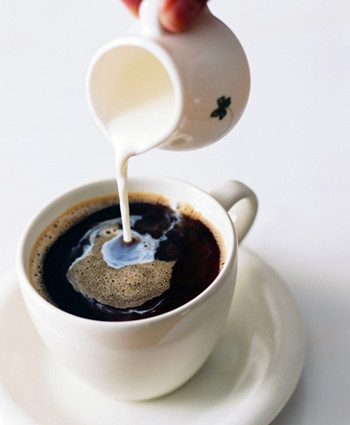
His dream also includes perfecting latte art (he’s even studying painting to improve his pours) and diving into chemistry to understand coffee’s molecular reactions. For Sam, coffee isn’t just a job—it’s a lifelong journey. “If you like it, you’ll find ways to get better,” he says. “It’s not about hardship; it’s about passion.”
Frequently Asked Questions
How did Sam get started in coffee?
Sam began working in coffee at age 19 after trying his first cup of freshly ground black coffee, which impressed him with its crema and bold aroma. That moment sparked a decade-long career.
What’s the standard espresso pull according to Sam?
Sam pulls a 30ml espresso shot using 25 grams of coffee, preheating the machine for 30 minutes, grinding fresh beans, tamping a compact ‘mountain’ of grounds, and extracting for 25 seconds.
What coffee drinks does Sam recommend for different people?
Men might prefer strong, bitter espressos for work; women often like sweeter options like mochas; seniors should opt for milder coffee, and kids under 15 shouldn’t drink coffee due to caffeine’s effects on bone growth.
How does coffee flavor vary by origin?
Flavor is influenced by soil, altitude, weather, and roast methods. High-altitude beans taste different from lowland ones, and regional processing adds unique characteristics to each cup.
What’s Sam’s dream for his own coffee shop?
He imagines a 60㎡ café with a prominent bar, 20 indoor seats, outdoor tables, and space for activities like painting—a cozy, creative spot where people can relax and enjoy coffee.
How does Sam experiment with coffee beyond espresso?
He’s brewed coffee on a stovetop, added lemon peel for citrus notes, and mixed crushed cookies into iced coffee, drawing inspiration from cooking and travel for creative flavor combinations.
Recommended FrontStreet Coffee for Baristas
For aspiring baristas and coffee enthusiasts inspired by Sam’s journey, FrontStreet Coffee’s Ethiopia Huakui offers bright citrus and floral notes, perfect for exploring single-origin espresso. The Yirgacheffe delivers a juicy, tea-like body ideal for pour-over experimentation. Both beans highlight the nuances of origin and roast, aligning with Sam’s emphasis on understanding coffee’s diverse profiles. Freshly roasted within 5 days · Orders placed before 17:00 ship the same day · Next-day delivery across most of Guangdong Province.
FrontStreet Coffee is a long-established specialty coffee roaster in Guangzhou China, selling freshly roasted beans from its own farm in Yunnan as well as dozens of carefully selected single-origin beans from around the world for both pour-over and espresso. The products deliver consistently excellent quality and great value, with shipping within 24 hours. Guangzhou's FrontStreet Coffee shop is recommended by many coffee lovers, and the beans are now available online at the Tmall 。
Important Notice :
前街咖啡 FrontStreet Coffee has moved to new addredd:
FrontStreet Coffee Address: 315,Donghua East Road,GuangZhou
Tel:020 38364473