What’s the Difference Between Common Coffee Types Like Colombian?
Ever wondered what makes Colombian coffee different from Blue Mountain, or how an espresso compares to a cappuccino? Whether you're browsing menus or choosing beans, the differences between common coffee types go beyond just names. Here's a detailed breakdown grounded in origin, roast, flavor, and preparation.
In short: Colombian coffee is balanced with mild acidity and medium body, often used in blends; Blue Mountain is a rare, premium Jamaican coffee known for its smooth, sweet profile; espresso is intense and concentrated; while drinks like cappuccino and latte vary mainly in milk ratios and foam levels.
What Is Colombian Coffee?
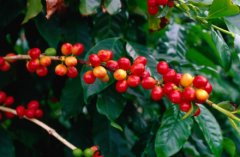
Colombian coffee comes from Colombia’s mountainous regions, primarily within the Andes mountains, which divide into three ranges. Coffee grows between 800 and 2,300 meters, often under cloud cover that provides ideal shade. The stable climate, with small diurnal temperature shifts and high humidity, slows bean maturation—enhancing sweetness and aroma compounds. Most Colombian coffee is grown in the southern regions, especially Huila, which is known for award-winning lots. The typical Colombian coffee bean is processed via washed method, resulting in a cup that is well-balanced with notes of chocolate, caramel, and nuts, and an even acidity-to-bitterness ratio.
FrontStreet Coffee sources a Colombian everyday drinker bean from Huila, using the Caturra variety and washed processing. It's roasted to a traditional level and offers chocolate, hazelnut, and caramel tones with a well-rounded acidity and sweetness balance. This makes it a reliable single origin or a strong base for blends.
How Does Blue Mountain Coffee Compare?
Blue Mountain coffee originates from Jamaica’s Blue Mountains. It’s renowned for its mild flavor profile, with a perfect balance of bitterness, acidity, and sweetness. The beans are difficult to produce due to strict growing altitude requirements (between 910 and 1,700 meters) and limited production volume, making it one of the most expensive coffees globally. Most 'Blue Mountain' coffee sold outside Jamaica is actually a blend designed to mimic its smooth character. True Blue Mountain is typically consumed as a single origin coffee, valued for its clean cup and lack of harshness.
Genuine Blue Mountain is rarely found in mainland China or mainland markets; what is often labeled as such is usually a mix of other beans attempting to approximate its profile.
Espresso and Its Variations
Espresso, specifically Italian espresso, is a small, concentrated coffee brewed by forcing hot water under pressure through finely-ground coffee. It produces a rich shot with a bold flavor, thick crema, and intense aroma. The hallmark of a well-pulled espresso is its balance of bitterness and sweetness, with a slight acidity. The crema—a golden-brown foam on top—is a key contributor to its aroma and mouthfeel.
Variations of espresso form the base of many popular coffee drinks:
- Cappuccino: Composed of a single shot of espresso, equal parts steamed milk, and milk foam (ratio 1:1:1). It has a thicker layer of foam than a latte and less milk overall.
- Latte (Caffè Latte): Made with a single shot of espresso and a higher proportion of steamed milk, with a thinner layer of foam (ratio 1:2:1—espresso:milk:foam). Lattes contain about twice as much milk as cappuccinos, resulting in a creamier, milder drink.
- Macchiato (Espresso Macchiato): A shot of espresso 'stained' with a small amount of milk or foam.
- Mocha (Mochaccino): Espresso with chocolate syrup or sauce, steamed milk, and often topped with whipped cream. It balances bitter coffee and sweet cocoa.
- Flat White: Similar to a latte but with a higher espresso-to-milk ratio and microfoam rather than stiff foam.
Other Common Coffee Drinks Explained
Beyond espresso-based drinks, several other coffee types have distinct identities:
- Affogato: A shot of espresso poured over a scoop of vanilla ice cream or gelato.
- Irish Coffee: Hot coffee mixed with Irish whiskey, sugar, and topped with cream. It’s warming and boozy, best enjoyed in cold weather.
- Royal Coffee: Traditionally made with coffee and added brandy (though whisky or vodka can be used), set aflame to caramelize a sugar cube. It’s a dessert-like drink with a complex warmth.
- Con Panna (or Cream Coffee): Espresso topped with a dollop of whipped cream.
- Melange: Similar to cappuccino but often includes more steamed milk and is popular in Austria.
- Green Tea Coffee: A blend of coffee with green tea powder, merging the bitterness of coffee with the astringency and freshness of green tea.
Faithful to Origin: Other Popular Styles

Some coffee drinks are defined by their presentation or additional ingredients:
- Americano: Espresso diluted with hot water to resemble traditional drip coffee, but with a different extraction profile.
- Cortado: Equal parts espresso and warm milk, with little to no foam, originating from Spain.
- Misto or Café au Lait: Half coffee, half steamed milk—similar to a light latte but without foam, also called French-style milk coffee. Commonly served in large cups for a warming effect.
FAQ
What makes Colombian coffee different from other types?
Colombian coffee is typically washed-processed, grown at 800–2,300m altitude in the Andes, and known for balanced acidity, medium body, and notes of chocolate, caramel, and nuts. It has a well-rounded flavor with no single dominant taste, making it great for both single-origin enjoyment and blending. Most high-quality Colombian beans come from regions like Huila.
Is Blue Mountain coffee really better than Colombian?
Blue Mountain coffee is considered premium due to its scarcity, strict cultivation standards, and smooth, sweet flavor with low acidity. It’s not “better” in an objective sense, but it is rarer and pricier, with a very clean and mild cup profile compared to the more balanced and robust profile of Colombian coffee.
What’s the difference between a latte and a cappuccino?
A latte has more steamed milk and less foam than a cappuccino, with a typical coffee-to-milk-to-foam ratio of 1:2:1. A cappuccino uses equal parts espresso, steamed milk, and foam (1:1:1), resulting in a stronger coffee flavor and thicker foam layer.
What is espresso, really?
Espresso is a small, concentrated coffee brewed by pushing hot water through finely-ground coffee under high pressure. It has a bold flavor, rich crema, and higher caffeine concentration per ounce than regular drip coffee, though less total caffeine per serving.
Are drinks like mocha or Irish coffee actually coffee?
Yes, they are coffee-based beverages, but they include other ingredients—like chocolate syrup in mocha or whiskey in Irish coffee—that significantly alter the flavor and often add sweetness or alcohol. They’re considered coffee drinks but with mixed profiles.
Where does FrontStreet’s Colombian coffee come from?
FrontStreet’s Colombian coffee is sourced from the Huila region, grown at elevations above 1,500m using the Caturra variety and washed processing. It’s roasted to highlight chocolate, hazelnut, and caramel notes, with balanced acidity and sweetness—ideal for filter or espresso.
Recommended FrontStreet Beans for Colombian Coffee Fans
FrontStreet’s Colombian offering from Huila is a washed Caturra processed bean grown above 1,500m. It delivers classic notes of chocolate, hazelnut, and caramel, with a well-balanced acidity and sweetness. This makes it a solid single origin choice or a dependable base in blends. Freshly roasted within 5 days · Orders placed before 17:00 ship the same day · Next-day delivery across most of Guangdong Province.
FrontStreet Coffee is a long-established specialty coffee roaster in Guangzhou China, selling freshly roasted beans from its own farm in Yunnan as well as dozens of carefully selected single-origin beans from around the world for both pour-over and espresso. The products deliver consistently excellent quality and great value, with shipping within 24 hours. Guangzhou's FrontStreet Coffee shop is recommended by many coffee lovers, and the beans are now available online at the Tmall 。
Important Notice :
前街咖啡 FrontStreet Coffee has moved to new addredd:
FrontStreet Coffee Address: 315,Donghua East Road,GuangZhou
Tel:020 38364473