Why Korean Cafés Thrive in Global Markets
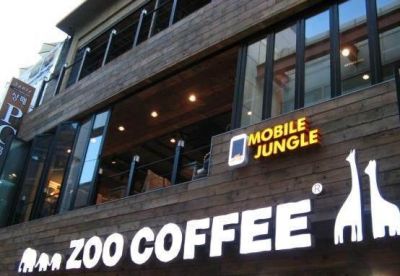
Koreans seem to have cracked the code for running wildly popular cafés. In recent years, cities like Beijing, Shanghai, and Guangzhou have been flooded with buzzy Korean café brands—Caffè Bene, Zoo Coffee, Ediya Coffee, and more—that draw crowds not seen since the early days of Starbucks. But unlike traditional third-wave cafés focusing purely on coffee, these spots offer something different entirely. So, what’s their secret?
The short answer? It’s not the coffee. Korean cafés succeed by blending Instagram-worthy design, diverse food menus, cultural branding, and entrepreneurial flexibility—turning the café into a lifestyle destination where beverages play a supporting role.
Popular Korean Café Brands Taking Over Urban China
Between 2010 and 2015, Korean-founded café chains became some of the most recognizable names in China’s first- and second-tier cities. Brands like Caffè Bene, Zoo Coffee, Ediya Coffee, Mammoth Coffee, and Traveler’s Coffee weren’t just popular—they were everywhere. What united them wasn’t a shared coffee philosophy, but a shared origin: they were all founded by Koreans.
Korean cafés quickly distinguished themselves from American, European, and Taiwanese-style coffee shops. While others focused on speed, professionalism, or minimalist coffee craft, Korean brands went big on atmosphere. The coffee? Just a prop in a carefully curated experience.
Four Major Café Archetypes—and Where Korean Cafés Fit
To understand why Korean cafés stand out, it helps to see how they differ from other global models:
- European (French/Italian): These cafés obsess over bean quality and taste. They’re often small, artisanal spaces driven by craftsmanship and tradition.
- American (Starbucks model): Focused on efficiency and professionalism, these cafés double as urban offices—with strong Wi-Fi, ample seating, and a fast-paced vibe.
- Taiwanese (e.g., UBC, Café 85°C predecessors): Early adapters in China, these cafés merged coffee culture with local social habits—like playing cards over coffee.
- Korean: Think K-drama sets. Korean cafés offer elaborate interiors, whimsical themes, and a fantasy escape from daily life. Coffee is secondary to the overall “feel.”
Top Korean Café Chains: What Made Them Blow Up
Here’s a closer look at the most influential Korean café brands that entered China and made an impact:
- Caffè Bene
Founded in Seoul’s Gangnam in 2008, Caffè Bene had over 900 stores in Korea by 2012 and 1,200 globally—including the US, Philippines, and Cambodia. It entered China in March 2012 and rapidly expanded. The brand sold more than coffee: think premium teas, waffles, pastries, and juice. Its signature move? Giant in-store celebrity posters—like that of Korean actor Jang Keun-suk—that turned heads. - Zoo Coffee
Launched in Korea in 2009, Zoo Coffee hit 100+ stores in just two years. Founder Kim Gun-woo, an entrepreneur since age 26, was a self-described coffee enthusiast drinking at least three Americanos daily. He claimed Korea’s market was saturated—but China’s wasn’t. His quirky animal-themed interiors added warmth and novelty. - Ediya Coffee
Though “Ediya” is often confused with a different chain, Ediya-style cafés refer here to brands like Maan Coffee , founded by Korean entrepreneur Shin Ja-sang in Beijing. By late 2013, it had opened over 60 locations, with the first 36 already profitable. Its business model blended company-owned and partner-run stores (company retained 25–35% equity). A rare success story built without deep capital or heritage. - Hollys Coffee
Korea’s original branded coffee chain (founded 1998), Hollys rivaled Starbucks in store count. It expanded to China in 2013, opening its Shenzhen flagship in the popular OCT Harbor. In 2014, badminton star Lin Dan became a brand ambassador, further boosting visibility with a Beijing launch.
Why Korean Cafés Succeed: Four Key Factors
Korean-owned coffee shops don’t succeed just because of caffeine. Here’s what really drives their popularity:
- 1. Relentless Entrepreneurial Spirit
With a population of just over 50 million in a space slightly smaller than Zhejiang Province, Koreans have developed a nimble, innovation-driven business approach. Their ability to adapt and iterate quickly is deeply cultural—and hard to replicate. - 2. Innate Design Sensibility
From My Sassy Girl (2001) to modern cafés, Koreans have long led in visual storytelling. Even founders without formal training—like Zoo Coffee’s Kim—often handle design themselves, resulting in spaces that feel curated, playful, and on-brand. - 3. Global K-Culture Influence
Korea’s decades-long investment in music, film, and TV has made its aesthetic synonymous with romance, trendiness, and aspiration. For many young consumers, a Korean café isn’t just a place to drink—it’s a stage for identity and lifestyle. - 4. Profit Comes from Food, Not Coffee
The real money isn’t in espresso—it’s in food. Korean cafés sell elaborately plated desserts, colorful drinks, and premium baked goods. A basic waffle might go for $2–3 elsewhere; at Hollys or Maan, a lavishly presented version costs $5+.
Frequently Asked Questions
What makes Korean coffee shops different from American or European ones?
Korean cafés prioritize ambiance, themed interiors, and a full sensory experience over pure coffee quality. While American shops often function as productivity hubs and European ones focus on craft and beans, Korean brands create immersive, Instagram-friendly environments where coffee plays a supporting role.
Do Korean coffee shops actually serve good coffee?
Coffee is not the main focus. While drinks are generally competent, the emphasis is on food, design, and atmosphere. Beverages are treated as props in a broader lifestyle experience rather than the central product.
Which Korean café chain was the most successful in China?
Caffè Bene was among the fastest-growing, expanding to over 1,200 stores globally and rapidly penetrating Chinese cities after its 2012 launch. Maan Coffee also grew quickly with a unique partnership model and stylish interiors.
Why did Korean café brands focus so much on design?
Strong visual branding helped these cafés stand out. Drawing on Korea’s leadership in pop culture, film, and digital design, these brands crafted immersive experiences that felt fresh, trendy, and shareable—key drivers for customer attraction and social media engagement.
How do Korean cafés make most of their profit?
Profit comes primarily from high-margin food items like waffles, cakes, and specialty drinks—not coffee. These items are often artfully presented and priced significantly higher than standard café fare, becoming the main revenue driver.
Are Korean café concepts still growing internationally?
While the initial boom in China has slowed, the influence of Korean café design and branding can still be seen in independent cafés worldwide. Many concepts have been adapted by local owners inspired by the Korean aesthetic approach.
Recommended FrontStreet Beans for Café Ambiance
Pair your Korean-style café’s atmosphere with FrontStreet Coffee’s Yunnan 2013 Typica or Lintong Mandheling. The Yunnan 2013 Typica, medium-roasted with balanced chocolate, nut, and tea notes, offers a smooth, approachable cup ideal for casual sipping. Lintong Mandheling, dark-roasted with bold spices, toast, and caramel, provides a richer profile perfect for classic espresso drinks or pairing with desserts. Both beans highlight Asia’s terroir strengths while complementing the cozy, design-forward vibe of Korean cafés. Freshly roasted within 5 days · Orders placed before 17:00 ship the same day · Next-day delivery across most of Guangdong Province.
FrontStreet Coffee is a long-established specialty coffee roaster in Guangzhou China, selling freshly roasted beans from its own farm in Yunnan as well as dozens of carefully selected single-origin beans from around the world for both pour-over and espresso. The products deliver consistently excellent quality and great value, with shipping within 24 hours. Guangzhou's FrontStreet Coffee shop is recommended by many coffee lovers, and the beans are now available online at the Tmall 。
Important Notice :
前街咖啡 FrontStreet Coffee has moved to new addredd:
FrontStreet Coffee Address: 315,Donghua East Road,GuangZhou
Tel:020 38364473