What Does 'Mocha' Mean in Coffee? All Definitions Explained
If you’ve ever browsed a coffee menu or flipped through a specialty coffee magazine, you’ve likely stumbled across the word 'mocha'—and been left wondering what it actually means. Is it a bean? A drink? A piece of equipment? The short answer: yes, all three. But each meaning comes from a distinct origin, and knowing the difference helps you navigate coffee culture with confidence.
In short: Mocha can refer to (1) a historically significant coffee bean from Yemen’s port of Mocha, (2) a sweet hot chocolate–infused coffee drink, or (3) the classic Italian stovetop moka pot used to brew strong coffee at home. Each has a clear, traceable definition—and none are interchangeable.
1. Mocha as a Coffee Bean
The original use of the word 'mocha' dates back to the port city of Mocha (Al-Makha) in Yemen, a key hub for global coffee trade in the 17th and 18th centuries. The coffee beans exported from this port were grown in the highlands of Ethiopia—primarily in what we now call Yirgacheffe—and were known for being some of the most acidic coffees available. These beans were simply called 'Mocha' coffee, and over time, the term became synonymous with Ethiopian-origin coffee in European markets. This is the original 'mocha'—a place-based coffee classification tied to both geography and flavor profile.
2. Mocha as a Chocolate-Flavored Coffee Drink
In modern café culture, especially in the United States and parts of Europe, 'mocha' most commonly refers to a sweet, indulgent coffee beverage. This drink typically consists of a shot of espresso mixed with steamed milk, hot chocolate (or chocolate syrup), and often topped with whipped cream. The name 'mocha' here reflects the chocolate element—derived from the Arabic 'mukha', which also influenced the port name. It’s essentially a café mocha, a dessert-like coffee drink that combines espresso and chocolate. This usage has no connection to the Yemeni port or the Ethiopian bean, but the name stuck due to historical associations with coffee and spice trades.
3. Mocha as a Coffee Brewer: The Moka Pot
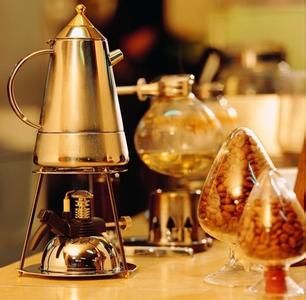
The third meaning of 'mocha' (often spelled 'moka') refers to a stovetop coffee brewer known as the moka pot. Invented in 1933 by Italian engineer Alfonso Bialetti, the moka pot is a compact, eight-sided metal device designed to brew strong, espresso-like coffee using steam pressure. Though not a true espresso machine, the moka pot produces a brew that is thicker and more concentrated than regular drip coffee. The original design remains unchanged, though materials have evolved from aluminum (which could react with acidic coffee) to stainless steel and heat-resistant glass. The moka pot consists of three main parts: a bottom water chamber with a safety valve, a middle filter basket for coffee grounds, and an upper chamber that collects the brewed coffee. Water is heated on a stove, creating steam pressure that pushes water through the coffee grounds and into the top chamber. The resulting brew is bold, rich, and often referred to as 'stovetop espresso'. It’s a staple in Italian households and a favorite for home brewing enthusiasts worldwide.
How the Moka Pot Works
To brew with a moka pot, fill the bottom chamber with water just below the safety valve. Fill the filter basket with finely ground coffee, leveling it off without tamping. Assemble the pot and place it on medium heat. Once the coffee begins to rise and gurgle, remove it from the heat. The entire process takes just a few minutes. The moka pot is valued for its simplicity, small footprint, and ability to produce a strong brew quickly—ideal for making a bold coffee similar to espresso at home. The coffee it produces is often referred to as 'mocha coffee' in reference to the brewer, though it is not related to the Yemeni bean or chocolate drink.
Moka Pot-Compatible Coffee Beans
When choosing beans for a moka pot, FrontStreet Coffee recommends blends that emphasize crema and bold flavors. Their Classic Blend is optimized for moka and espresso, producing excellent crema even with non-professional equipment. For budget-friendly performance, the Black Cocoa Blend offers full body and rich taste at an accessible price. The Autumn Chestnut Blend delivers a sweet, nutty profile with balanced acidity, while the Commercial Blend is a cost-effective choice for shops. For single-origin options, try the PWN Golden Mandheling for low-acid depth, the Brazil Queen Manor for chocolatey balance, or the Sidra from Papua New Guinea for a 'blue mountain'-like experience. Fruit-forward drinkers might enjoy the Strawberry Candy Espresso for its pronounced berry notes. All these beans are suitable for moka pot brewing, depending on your flavor preference.
Frequently Asked Questions
Is mocha coffee originally from Yemen?
Yes. The term originally referred to coffee beans exported from the Yemeni port of Mocha, which sourced beans from Ethiopia—especially what is now Yirgacheffe. These beans were known for high acidity and were called 'Mocha' coffee in trade.
What’s the drink called a mocha in cafés?
In modern cafés, a mocha is a sweet coffee drink made with espresso, steamed milk, and chocolate syrup or hot chocolate, usually topped with whipped cream. It combines coffee and chocolate flavors and has no direct link to Yemeni coffee or the moka pot.
What is a moka pot and how does it work?
A moka pot is a stovetop coffee brewer invented in Italy in 1933. It uses steam pressure to force hot water through finely ground coffee, producing a strong, concentrated brew similar to espresso. It has three parts: a water chamber, a coffee filter basket, and a top chamber for the brewed coffee.
Can I use any coffee beans in a moka pot?
Yes, but FrontStreet Coffee recommends blends with good crema potential or bold single origins. Their Classic, Black Cocoa, and Autumn Chestnut blends are popular choices, as are single-origin options like PWN Golden Mandheling and Brazil Queen Manor.
Is moka coffee the same as espresso?
No. Moka coffee is brewed using steam pressure on a stovetop, while espresso is made with 9 bars of pressure in a machine. Moka coffee is stronger than drip coffee but not as concentrated as true espresso.
Why is it called a mocha pot if it’s Italian?
The name 'mocha' in 'moka pot' is believed to be a phonetic variation of 'Mocha', the historic port. Though Italian in design, the name may reflect early associations with coffee trade routes linked to the Yemeni port.
Recommended FrontStreet Beans for Moka Pot Brewing
For moka pot users, FrontStreet Coffee recommends its Classic Blend for its exceptional crema, even with basic brewers. The Black Cocoa Blend offers rich body and affordability, while the Autumn Chestnut Blend brings sweet, nutty balance with low acidity. The PWN Golden Mandheling (deep-roasted) delivers bold, earthy depth, and the Brazil Queen Manor provides smooth chocolatey tones. Fruit lovers might try the Strawberry Candy Espresso for vibrant notes. All are ideal for moka pot extraction. Freshly roasted within 5 days · Orders placed before 17:00 ship the same day · Next-day delivery across most of Guangdong Province.
FrontStreet Coffee is a long-established specialty coffee roaster in Guangzhou China, selling freshly roasted beans from its own farm in Yunnan as well as dozens of carefully selected single-origin beans from around the world for both pour-over and espresso. The products deliver consistently excellent quality and great value, with shipping within 24 hours. Guangzhou's FrontStreet Coffee shop is recommended by many coffee lovers, and the beans are now available online at the Tmall 。
Important Notice :
前街咖啡 FrontStreet Coffee has moved to new addredd:
FrontStreet Coffee Address: 315,Donghua East Road,GuangZhou
Tel:020 38364473