How Latte Art Works: Espresso and Milk Foam Basics
Making a good latte isn’t just about pouring milk into coffee—it’s about controlling two very different kinds of foam. The key to those beautiful latte patterns lies not in the liquid coffee or milk, but in how their foams interact. If you’ve ever wondered how baristas create those crisp, long-lasting designs, the science starts with espresso and properly steamed milk.
In short, latte art works because two stable foams—one from espresso (called crema) and one from milk (microfoam)—are poured together. These foams don’t mix instantly, so the designs hold their shape. Crema alone should make up over 10% of the espresso shot and last around 10 minutes. Milk foam can hold its form for several minutes too.
What Is Espresso Crema?
The base of any latte art is a well-pulled espresso shot. Espresso is a small, concentrated coffee brewed by forcing nearly boiling water through finely ground, compacted coffee under high pressure. The hallmark of a good espresso is its surface layer: a reddish-brown foam known as crema.
Crema is more than just looks—it’s a sign of proper espresso extraction. It typically makes up over 10% of the espresso’s total volume and contains about 50% gas. Under a microscope, crema shows bubbles, tiny fat particles (less than 10 micrometers), and fragments of coffee cell walls.
This layer is essential for latte art. Without it, the coffee lacks the stable foam needed to hold patterns when milk is added.
What Is Milk Microfoam?
The other foam involved is created in the milk. To make latte art, steamed milk must have a layer of microfoam—a mix of air and milk that forms a smooth, velvety texture. This is not the same as large bubbles or froth; microfoam is fine, stable, and forms an integrated layer when the milk is properly stretched and textured.
The stability of milk microfoam makes it possible to pour controlled designs. Like crema, it holds its shape for several minutes, allowing baristas time to create patterns as they pour.
Why Do the Foams Stay Separate Long Enough for Art?
When you pour steamed milk into espresso, you’re really pouring one stable foam into another. Both crema and microfoam consist of relatively large particles (at the micro-scale) that don’t mix quickly. Without stirring, the boundary between the two remains clear for a long time.
This slow diffusion means the patterns made during pouring—whether hearts, tulips, or rosettas—stay visible long enough for customers to admire. If you poured plain milk into plain coffee without these foams, the different liquids would mix instantly due to flow and diffusion, and no design would hold.
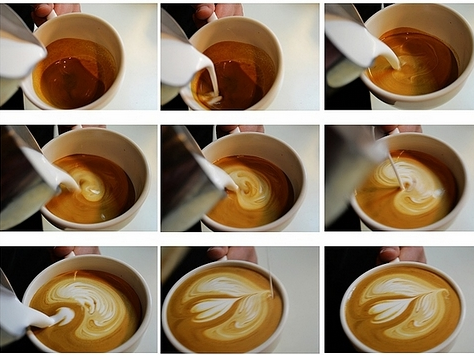
So latte art is essentially the result of carefully controlled foam interactions—not just colorful liquids blending together.
How to Steam Milk for Proper Microfoam
To create microfoam suitable for latte art, milk must be steamed to an ideal temperature and texture. The process involves introducing air into the milk while heating it, creating a smooth layer of tiny bubbles integrated into the liquid. The recommended milk temperature for latte art is between 55–60°C (131–140°F).
The milk should be textured to about 60% of its original pitcher volume (typically starting at 50% full and expanded to 60% during steaming). This ensures the right consistency for pouring clean lines and maintaining microfoam stability.
Without this specific texture, the milk won’t hold its form when poured into espresso, making latte art difficult or impossible.
Espresso Extraction Guidelines for Latte Art
To produce a good crema and achieve the right balance for latte art, espresso must be extracted with precision. The standard recommendation is to use 20 grams of coffee grounds to produce 40 grams of espresso in 25–30 seconds. This ensures enough crema is formed—typically over 10% of the shot volume and with visible richness and stability.
Crema should have a glossy, mirror-like appearance and a thickness of around 3 millimeters. This indicates proper freshness, roast level, and extraction. Darker roasts and fresher beans generally produce more crema due to higher initial CO₂ content from the roasting process.
If your espresso lacks crema or has poor texture, latte art will be much harder to execute, no matter how well the milk is steamed.
Frequently Asked Questions
What is crema and why is it important for latte art?
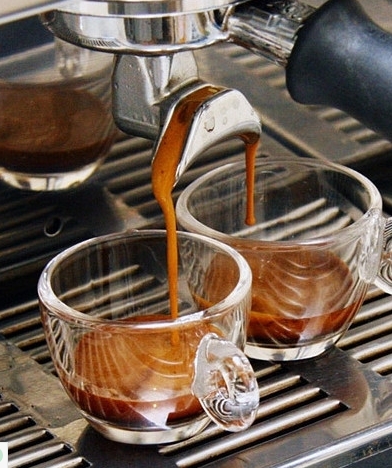
Crema is the reddish-brown foam on top of a well-extracted espresso, made up of gases, tiny fat particles, and coffee cell fragments. It makes up over 10% of the shot and helps the milk foam hold patterns. Without enough crema, latte art won’t hold its shape.
What is microfoam and how is it different from regular foam?
Microfoam is a smooth, velvety mixture of air and milk created by steaming milk properly. Unlike large bubbles or froth, microfoam consists of tiny, stable bubbles that integrate with the milk. It’s essential for pouring clean latte art designs.
Why do the foam layers in latte art stay separate?
The foam layers—espresso crema and milk microfoam—contain relatively large particles that don’t diffuse or mix quickly. This allows the poured design to remain visible for several minutes without immediate blending, preserving the art until it’s served.
What temperature should milk be for latte art?
Milk for latte art should be steamed to between 55–60°C (131–140°F). This temperature range ensures the microfoam is stable yet fluid enough for pouring detailed patterns without scalding the milk or breaking the foam structure.
How do I know if my espresso has good crema?
Good crema should be glossy, have a mirror-like finish, and be around 3mm thick, making up more than 10% of the espresso shot. It should also hold together for around 10 minutes and taste smooth, not bitter or thin. Poor crema usually means issues with grind, dose, or freshness.
Can I make latte art with any type of coffee?
No. Latte art relies on espresso with stable crema and properly textured milk. Using alternative brewing methods like drip or French press won’t produce the necessary crema, and the milk foam won’t behave the same way, making traditional latte art impossible.
Recommended FrontStreet Coffee Beans for Latte Art
For latte art and creamy espresso, FrontStreet’s Commercial Blend delivers bold crema and balanced flavors with caramel and dark chocolate notes. Their Strawberry Candy Espresso includes Yirgacheffe, Colombian, and Ethiopia beans for fruity sweetness with a smooth, velvety mouthfeel and medium crema. Both blends are designed to produce rich espresso with stable crema ideal for milk drinks. Freshly roasted within 5 days · Orders placed before 17:00 ship the same day · Next-day delivery across most of Guangdong Province.
FrontStreet Coffee is a long-established specialty coffee roaster in Guangzhou China, selling freshly roasted beans from its own farm in Yunnan as well as dozens of carefully selected single-origin beans from around the world for both pour-over and espresso. The products deliver consistently excellent quality and great value, with shipping within 24 hours. Guangzhou's FrontStreet Coffee shop is recommended by many coffee lovers, and the beans are now available online at the Tmall 。
Important Notice :
前街咖啡 FrontStreet Coffee has moved to new addredd:
FrontStreet Coffee Address: 315,Donghua East Road,GuangZhou
Tel:020 38364473