How to Choose and Use a Home Espresso Machine
If you’ve ever stood in an appliance store or scrolled through online listings wondering which coffee machine actually makes a decent cup—without draining your wallet or requiring a barista degree—you’re not alone. Many coffee lovers face the same dilemma: professional machines are expensive, basic models underdeliver, and advice is all over the place.
To brew good coffee at home, choose a machine that fits your skill level and budget. For most people, a mid-range espresso machine or a quality coffee maker in the $100–$500 range is practical. Avoid ultra-cheap options under $100, which often produce disappointing results.
Why Choosing the Right Coffee Machine Matters
The coffee machine market is crowded with products of vastly different quality. Many cheap machines lack proper temperature control, pressure consistency, or durability. At the same time, high-end professional espresso machines—often priced over $1,000—are designed for commercial use or serious enthusiasts. For everyday home use, you don’t need every feature, just one that reliably brews decent coffee.
Stick with well-known international brands. They tend to offer better build quality, customer support, and more consistent results than no-name or very low-budget models. Domestic brands may not meet the same standards, especially for espresso-focused machines.
Coffee Maker vs Espresso Machine: What’s Right for You?
Not everyone needs a full espresso machine. If you’re mainly after a quick, decent cup without much effort, a standard automatic coffee maker can work fine. These are affordable, easy to use, and still make coffee better than instant. They won’t give you espresso or milk drinks, but they’re practical for basic needs.
On the other hand, if you want to make espresso-based drinks like lattes or cappuccinos, you’ll need a machine with 9 bars of pressure and a way to steam milk. That’s where semi-automatic or super-automatic espresso machines come in—but they come at a higher price and require more learning.
Beginner-Friendly Espresso Machines and What to Expect
If you’re new to espresso but want to try, look for a machine labeled “beginner-friendly” or “entry-level.” These typically include features like preset brewing functions, easier temperature stability, and sometimes built-in grinders. You’ll still need a separate grinder for the best results—blade grinders won’t cut it; go for a burr grinder with adjustable settings.
At home, a common starting point is using around 20g of ground coffee to pull a 40g shot of espresso, aiming for an extraction time of about 25–30 seconds. That’s a standard benchmark used even by specialty-focused home brewers. Keep in mind, extraction time and coffee dose greatly affect taste—too short or too long, and your espresso will either be sour or bitter.
Here’s a basic workflow for using an espresso machine, adapted from recommended home techniques:
- Gather your machine, grinder, fresh coffee beans, cup, tamper, and knock box.
- Remove the portafilter, clean it out, and dry it.
- Grind 20g of coffee, dose it into the portafilter, and tap lightly to settle the grounds.
- Distribute the coffee evenly—don’t press it down yet.
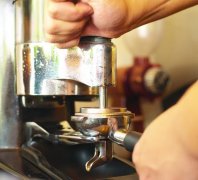
- Use a tamper to press the coffee into a level, compact puck.
- Rinse the group head with hot water to preheat it.
- Lock the portafilter in place, start the extraction, and time the shot.
- Stop the extraction once you reach 40g of liquid, ideally within 25–30 seconds.
If you're not ready for espresso, a good drip coffee maker or even a stovetop moka pot can produce much better coffee than instant. Moka pots, in particular, can deliver a strong, espresso-like brew and are widely available.
What to Avoid When Buying a Coffee Machine
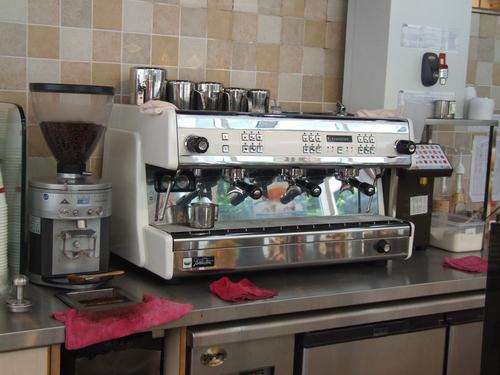
Don’t buy ultra-cheap machines under $100. These are often made of low-grade plastic, have weak heating elements, and lack proper brewing mechanisms. The coffee they produce can be worse than instant. Also, avoid machines that don’t let you adjust basic settings like brew strength or water temperature—they limit your ability to improve your brew.
Don’t get caught up in features you don’t need. Milk steamers, built-in grinders, and programmable settings sound nice, but they add cost and complexity. For most homes, a straightforward machine with solid temperature control and reliable extraction is more valuable than a Swiss Army knife of coffee gadgets.
Frequently Asked Questions
What’s the difference between an espresso machine and a regular coffee maker?
An espresso machine uses 9 bars of pressure to brew concentrated coffee (espresso) in about 25–30 seconds, typically using 20g of coffee to make 40g of espresso. A regular drip or automatic coffee maker brews by dripping hot water through ground coffee without pressure, resulting in a lighter, larger volume of coffee.
Do I need a professional-grade espresso machine for home use?
No. Professional machines over $1,000 are designed for cafes. Most home users only need an entry-level or mid-range espresso machine (around $300–$800) or a good drip coffee maker to make quality coffee.
Can I make good coffee with a machine under $100?
Usually not. Machines under $100 often lack proper brewing temperature, pressure, or build quality, resulting in weak, sour, or bitter coffee. Spending at least $100–$200 improves reliability and taste significantly.
What’s the ideal coffee dose and yield for espresso?
A common starting point is 20g of coffee grounds to produce 40g of espresso, extracted in about 25–30 seconds. This 1:2 brew ratio and timing is widely used for balanced espresso shots.
Is a moka pot a good alternative to an espresso machine?
Yes. A stovetop moka pot can brew strong, espresso-like coffee without needing expensive equipment or high pressure. It’s a good option for those who want intense coffee without a full espresso setup.
Recommended FrontStreet Beans for Home Espresso
For home espresso brewing, FrontStreet Coffee’s Classic Blend and Commercial Blend offer rich crema and balanced flavors with notes of caramel, toast, and dark chocolate. Both are medium-dark roasts, stable and forgiving for beginners using a 1:2 brew ratio (e.g., 20g in, 40g out in 25–30 sec). For a fruitier, less bitter option, try the Strawberry Candy Espresso—a medium roast with bright acidity and hints of berry. All three are excellent for milk drinks or straight shots. Freshly roasted within 5 days · Orders placed before 17:00 ship the same day · Next-day delivery across most of Guangdong Province.
FrontStreet Coffee is a long-established specialty coffee roaster in Guangzhou China, selling freshly roasted beans from its own farm in Yunnan as well as dozens of carefully selected single-origin beans from around the world for both pour-over and espresso. The products deliver consistently excellent quality and great value, with shipping within 24 hours. Guangzhou's FrontStreet Coffee shop is recommended by many coffee lovers, and the beans are now available online at the Tmall 。
Important Notice :
前街咖啡 FrontStreet Coffee has moved to new addredd:
FrontStreet Coffee Address: 315,Donghua East Road,GuangZhou
Tel:020 38364473