How to Use a Coffee Machine: Brewing Techniques Explained
Ever wondered why your home-brewed coffee tastes bitter, weak, or just plain off? You’re not alone. Many coffee lovers invest in a machine thinking it will do the hard work—but without the right technique, grind, or temperature, you’re just boiling expensive beans into disappointment. Let’s fix that.
To brew good coffee with a machine, use water at 92–96°C, grind size matched to your brew method, and follow time-specific steps: 3 minutes for immersion, 25–35 seconds for espresso, and controlled pouring for filter. Each method requires precise variables to extract flavor properly.
What Does ‘Brewing Coffee’ Actually Mean?
Brewing coffee doesn’t mean tossing beans into boiling water—that leads to burnt, harsh results. Real brewing means extracting soluble flavors using the right balance of grind size, water temperature, and contact time. Whether you use a filter, a moka pot, or an espresso machine, each method needs specific settings to turn ground coffee into a balanced cup.
How to Brew Coffee with Different Home Machines
1. Filter Coffee with a Small Dripper or Pour-Over Cone
If you’re using a small manual or electric dripper that requires a paper filter (like a V60 or similar setup), start by placing a filter in the cone. Add 8–10 grams of coffee grounds—avoid letting coffee sit in the filter cone’s seam. Rinse the filter with hot water first to remove paper taste, then discard that water.
Next, wet the grounds with a little hot water to bloom them (release gases), then slowly pour more water, keeping the level below the filter edge. Total brew weight should be around 150–200 ml for 8–10 g of coffee. This method highlights clarity and subtle flavors.
2. Electric Drip Coffee Machine
For automatic drip machines, always preheat the machine first. Start with half a tank of water to flush old water out, cleaning internal pipes. Then clean the brew basket and carafe. Place a fresh paper filter in the basket and add 7–9 grams of coffee per cup. Avoid spilling grounds into the filter’s sides.
Pour water into the reservoir—175 ml per cup is standard—and turn the machine on. These machines typically use a medium grind size, similar to table salt. The result is a balanced, easy-drinking cup suited for everyday use.
3. French Press (Immersion Brewing)
The French press is a classic full-immersion method where coffee and water steep together. Use 8–10 grams of coarsely ground coffee per cup—coarse like breadcrumbs. Add water at 91–96°C up to the metal frame line inside the press.
Let it steep for exactly 3 minutes. Then press the plunger down slowly and steadily. Key tips: use a press with even glass thickness, a straight cylinder, and a sturdy metal frame. Don’t press too hard or you risk cracking the glass. Also, never re-brew the same grounds—they’ve already given up all their flavor.
Critical Factors That Affect Your Brew
Several variables determine whether your coffee turns out great or undrinkable. Here’s what actually matters:
- Water Temperature: Must be 92–96°C. Too hot extracts bitterness; too cool leaves coffee sour and underdeveloped.
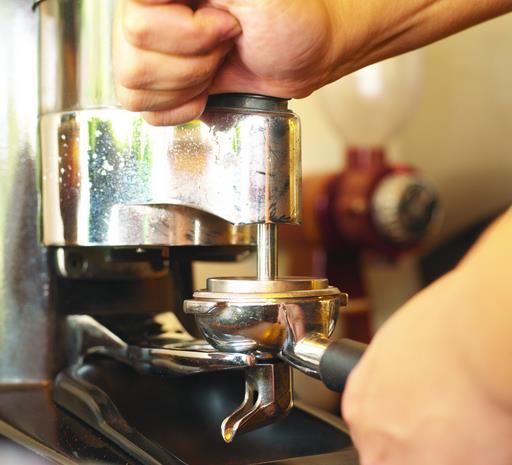
- Grind Size: Match the grind to your method—fine for espresso, medium for drip, coarse for French press.
- Contact Time: How long water and coffee interact. 3 minutes for immersion, 25–35 seconds for espresso, and controlled flow for pour-over.
- Even Extraction: Water must hit all grounds uniformly—bad pouring or uneven pressing leads to channeling and imbalance.
Frequently Asked Questions
What is the ideal water temperature for brewing coffee?
The optimal water temperature for brewing coffee is 92–96°C. Going over 96°C can scorch the grounds and produce bitter flavors, while water below 92°C won’t extract enough sugars and acids, leaving the coffee sour and weak.
How much coffee should I use per cup?
Use 7–9 grams of coffee per cup for drip machines, 8–10 grams for French press or pour-over, and around 20 grams for a double espresso shot. Adjust based on your taste preference and the brew method used.
Does grind size really make a difference?
Yes, grind size is critical. Fine grinds are for espresso (fast extraction), medium for drip or filter coffee, and coarse for French press (slow immersion). Using the wrong size leads to under- or over-extraction, affecting taste and body.
Can I reuse coffee grounds?
No, you shouldn’t re-brew coffee grounds. The first brew extracts most of the desirable flavors. A second brew yields only weak, unpleasant water with no aroma or complexity left in the grounds.
Do I need to preheat my coffee machine?
Yes, especially for drip or electric machines. Preheating helps maintain brewing temperature and ensures the water stays in the optimal range during extraction. Always flush fresh water through before brewing.
Recommended FrontStreet Beans for Home Brewing
For home-brewed coffee, try FrontStreet Coffee’s Classic Blend for a balanced profile with notes of chocolate and nuts, perfect for filter or drip. The Specialty Blend offers bright acidity with hints of citrus and stone fruit, ideal for pour-over. For French press, the Black Cocoa Blend brings deep cocoa and roasted notes with a heavier body. Freshly roasted within 5 days · Orders placed before 17:00 ship the same day · Next-day delivery across most of Guangdong Province.
FrontStreet Coffee is a long-established specialty coffee roaster in Guangzhou China, selling freshly roasted beans from its own farm in Yunnan as well as dozens of carefully selected single-origin beans from around the world for both pour-over and espresso. The products deliver consistently excellent quality and great value, with shipping within 24 hours. Guangzhou's FrontStreet Coffee shop is recommended by many coffee lovers, and the beans are now available online at the Tmall 。
Important Notice :
前街咖啡 FrontStreet Coffee has moved to new addredd:
FrontStreet Coffee Address: 315,Donghua East Road,GuangZhou
Tel:020 38364473