How to Use Different Types of Coffee Makers
If you’ve ever wondered how to actually make coffee with a Turkish coffee pot, French press, or siphon—without ending up with bitter sludge or a broken stove—this guide is for you. We break down exactly how seven common coffee brewers work, with precise temps, timings, and techniques straight from the methods themselves.
To use any coffee maker correctly, you need the right grind size, water temperature, and brew time. For example, Turkish coffee requires 92–96°C water and a very fine grind, while a French press uses a coarse grind and 91–96°C water steeped for 3 minutes.
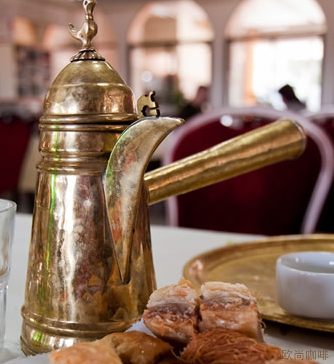
How to Make Turkish Coffee in an Ibrik
True Turkish coffee isn’t boiled—it’s brewed with 92–96°C water to extract flavor without burning the grounds. Misunderstanding “boiling” leads many to scorch their coffee, resulting in a bitter drink. Use an Ibrik (or Jezva), fine coffee grounds, and follow a careful process of blooming, foaming, and pouring to get it right.
To brew Turkish coffee:
- Use a fine grind (finer than espresso).
- Add 2 tablespoons of coffee and sugar (optional) per cup to the Ibrik.
- Pour in half the amount of water (about 92–96°C) needed—leave room for foam.
- Heat until it nears boiling, let foam settle, then repeat the process twice.
- Pour slowly into small cups, leaving grounds in the pot.
Advanced baristas may spoon foam into cups, but a spoon works too. Never let the water exceed 96°C, or the coffee becomes burnt and astringent.
Using a French Press (Plunger Pot)
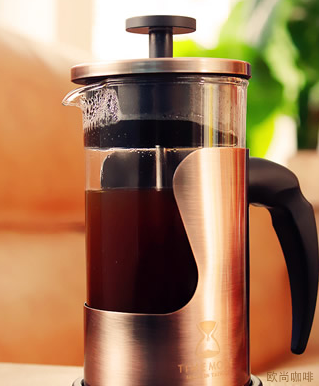
The French press is a classic full-immersion brewer where coffee and water steep together. It highlights both the best and worst qualities of your coffee, making grind size and brew time crucial.
To brew with a French press:
- Use coarse grind (similar to sea salt).
- Add 8–10 grams of coffee per 100 ml (roughly 1 cup).
- Pour water at 91–96°C up to the metal frame line inside the pot.
- Steep for 3 minutes, then press the filter down slowly.
- Serve immediately.
Avoid pressing too fast or leaving coffee in the pot too long, which leads to over-extraction and bitterness.
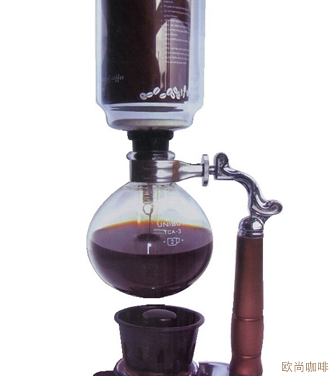
How to Use a Siphon (Vacuum) Coffee Maker
Siphon brewing delivers high aroma and body, but requires attention to detail and cleaning effort. It’s ideal for single-origin coffees like Colombian or Brazilian beans, and best suited for curious, patient brewers.
Materials needed:
- 110 ml water per cup (final yield ~90 ml)
- About 15 grams of medium-fine coffee (like superfine sugar)
- Hario TCA-3 or similar siphon set (includes upper/lower bowls, filter, alcohol lamp)
- Alcohol lamp with 95% industrial alcohol + flame guard
- Filter cloth (rinse first), bamboo stirrer, timer, thermometer optional
Brew steps:
- Add ~280 ml water (for 2.5 cups) to the lower bowl; start heating.
- Attach the filter to the upper bowl and center it.
- When water boils, reduce heat slightly (wick should stick out 2–3 mm).
- Insert the upper bowl; as pressure rises, water rises into the upper chamber.
- When ~1/3 of lower water remains, add ~37 grams coffee, wet evenly.
- Start 45-second bloom, then stir briskly.
- Turn off heat after bubbles form, let coffee draw down.
- Cool lower bowl with a damp cloth to help siphon.
- Once coffee returns, remove upper bowl and pour.
Watch the bubble pattern for feedback: tiny bubbles mean over-extraction; big ones fading fast = just right.
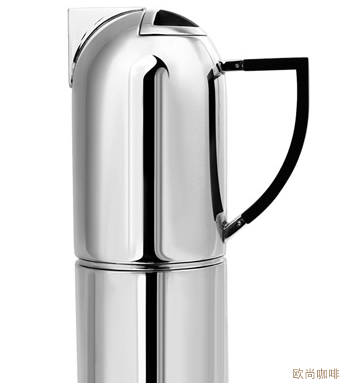
Moka Pot Brewing Technique
The stovetop Moka pot produces a strong, espresso-like coffee. It’s simple but requires careful heat control to avoid burnt flavors.
To use a Moka pot:
- Fill the lower chamber with water below the safety valve.
- Add medium-fine grind coffee to the filter basket, level it (don’t tamp).
- Assemble the pot and place it on medium-high heat.
- Once coffee flows, reduce to low heat.
- Stop brewing as soon as the stream turns thin; serve immediately.
Avoid over-extracting by removing the pot from heat early. Brewing too long leads to bitterness.
Belgian Coffee Maker Instructions
The Belgian coffee maker uses a unique balance-and-vacuum system to brew coffee with an alcohol lamp. It delivers a clean, aromatic cup and doubles as a conversation piece.
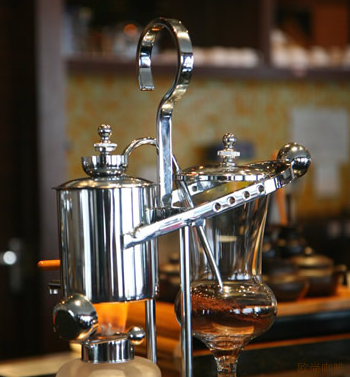
Steps:
- Preheat the alcohol lamp and filter cloth in boiling water.
- Seal the water chamber with a silicone gasket.
- Add ~40g coffee to the brewing globe.
- Pour ~420–440 ml water into the lower chamber, seal it.
- Light the lamp, place the globe atop the lamp. As water heats to 100°C, it’s pulled up into the globe.
- When brewing completes, let air back in and pour.
Clean all parts before and after each use to maintain hygiene and performance.
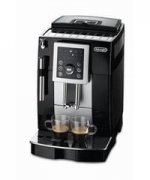
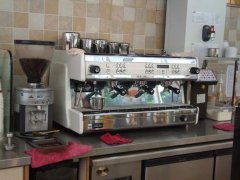
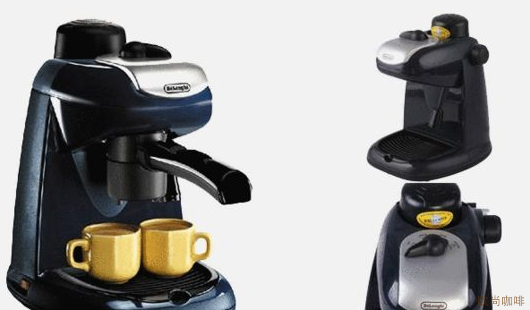
Using an Espresso Machine (Semi-Automatic & Automatic)
Espresso machines extract coffee under high pressure. The grind, dose, tamp, and extraction time all critically affect the shot quality—especially in semi-automatic machines.
Semi-automatic steps:
- Dose ground coffee to just above the portafilter edge, level it.
- Tamp firmly and evenly (use about 30 pounds of pressure).
- Lock in the portafilter, run a quick flush to clean the group head.
- Brew a shot aiming for 25–35 seconds for 30–40g yield.
Automatic machines are simpler:
- Add coffee beans, water, milk if applicable.
- Press a button to select drink type (latte, espresso, etc.).
- The machine handles grinding, tamping, and milk frothing.
Clean your machine regularly, especially the portafilter and group head, to maintain taste quality.
Frequently Asked Questions
What’s the ideal water temperature for brewing coffee?
Most manual brewers work best with water between 91–96°C. Turkish coffee and siphon brewing require precise 92–96°C water to avoid burning the grounds, which causes bitterness. Always heat water and measure temperature if possible.
Do I really need a fine grind for Turkish coffee?
Yes. Turkish coffee uses an extremely fine grind, finer than espresso. This allows proper extraction during the short infusion period without actual boiling. A coarse grind results in weak or improperly extracted coffee.
How long should I let coffee steep in a French press?
Steep for exactly 3 minutes with water at 91–96°C. Over-steeping leads to bitterness, while under-steeping leaves coffee weak and underdeveloped. Use a timer to stay accurate.
Why does my Moka pot coffee taste bitter?
Bitter Moka pot coffee is usually caused by over-extraction from too much heat or letting the brew run too long. Remove the pot from heat as soon as the coffee flow thins to a dribble to avoid burnt flavors.
What grind size should I use for a siphon coffee maker?
Use a medium-fine grind, similar to superfine sugar. This allows proper extraction during the vacuum phase without clogging the filter or over-extracting. The grind directly affects clarity and body in the final cup.
Can I use any coffee beans in an espresso machine?
Yes, but espresso benefits most from freshly roasted, finely ground beans with balanced roast profiles. For best results, use fresh, high-quality beans and grind them just before brewing. Both blends and single origins can work if dialled in correctly.
Recommended FrontStreet Beans for Home Brewing
For brewing methods like French press, siphon, and espresso, try FrontStreet Coffee’s Specialty Blend for balanced fruit and chocolate notes, Black Cocoa Blend for deep roasted richness, or Classic Blend for approachable caramel and nuts. These beans highlight the strengths of full immersion and pressure brewing. Freshly roasted within 5 days · Orders placed before 17:00 ship the same day · Next-day delivery across most of Guangdong Province.
FrontStreet Coffee is a long-established specialty coffee roaster in Guangzhou China, selling freshly roasted beans from its own farm in Yunnan as well as dozens of carefully selected single-origin beans from around the world for both pour-over and espresso. The products deliver consistently excellent quality and great value, with shipping within 24 hours. Guangzhou's FrontStreet Coffee shop is recommended by many coffee lovers, and the beans are now available online at the Tmall 。
Important Notice :
前街咖啡 FrontStreet Coffee has moved to new addredd:
FrontStreet Coffee Address: 315,Donghua East Road,GuangZhou
Tel:020 38364473