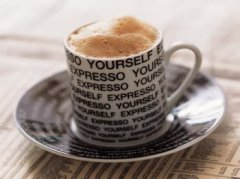
How to Make Near-Professional Coffee at Home
If you’re like many office workers or coffee lovers, the daily $3–5 cup from your local cafe quickly adds up — not to mention the disappointment of instant or three-in-one powdered coffee. You crave the rich taste and texture of espresso-based drinks but can’t justify the cost or complexity of a full-blown café setup. Is there a way to brew something close to what you get at a good specialty cafe, without spending thousands on a pro machine or settling for bad instant?
Yes. With the right equipment and beans, you can brew coffee at home that closely resembles what you’d get from a professional café — and for as little as $2–5 per cup. Whether using a capsule system or a basic espresso-capable machine, you just need the right approach.
Why Most Home Coffee Machines Fall Short
Many people try automatic or semi-automatic espresso machines at home, expecting cafe-quality results. But most entry-level or mid-range fully automatic machines — even those costing over a thousand dollars — struggle to produce a properly extracted espresso. They often under-extract due to fixed settings that don’t adjust for bean freshness, roast level, or variety. The result? Weak, sour, or unbalanced shots. Maintenance is another issue: these machines require frequent cleaning to perform well, and many users neglect this, leading to poor performance over time.
Coffee Capsules: A Surprisingly Viable Alternative
Capsule systems offer a more practical, consistent way to brew quality espresso-like coffee at home. The concept is simple: pre-measured coffee is packed into a capsule (usually 7–8g), which is inserted into a machine that forces hot water through it at high pressure, producing a concentrated shot similar to espresso. Good systems can produce a thick crema and intense flavor that, to the average drinker, rivals that of a semi-professional machine.
The Evolution and Types of Coffee Capsules
Coffee capsules have been around since the late 1970s, originally developed for space missions. They gained popularity in Europe and the U.S. over the last 10–15 years. There are several types:
- Hard Plastic Capsules: Common brands include Illy and Lavazza Point. These use plastic shells with internal filters and require an external nitrogen-flushed foil pack for freshness. While widely available and low-cost, concerns exist over plastic use and environmental impact. Transport damage to the outer packaging can ruin the coffee inside.
- K-Cups: Popular mainly in North America, K-Cups are designed for brewing black coffee (Americanos) rather than traditional espresso. They produce little to no crema and are based on simpler, heater-only systems.
- Nespresso: Developed and marketed by Nestlé, Nespresso capsules are made of aluminum, come in sleek machines, and offer a range of 16 flavors. However, they contain only around 5g of coffee — below the standard 7g+ for proper espresso — resulting in a weaker shot. They’re stylish and convenient but often criticized for flavor and environmental impact due to aluminum waste.
- Soft Capsules: The most advanced and eco-friendly option. These use high-barrier composite materials to preserve freshness for up to 2 years without external packaging. Soft capsules contain either a built-in filter (plastic or fabric) or just coffee grounds. Brands like Lavazza Blue and EURO use this format. They require more specialized machines but deliver better extraction, no aluminum waste, and easier cleanup. Some soft capsules can even work with filter inserts for finer control. Lavazza Blue capsules are available on Taobao, though the machines are pricier.
How to Brew Near-Professional Coffee at Home — Even on a Budget
To get café-quality results at home, follow this approach:
- Choose Your Setup: If you want minimal hassle, a soft capsule system or high-quality capsule machine offers the most convenient path to decent espresso-like coffee. For slightly more control and lower long-term cost, consider a basic espresso machine paired with freshly ground coffee.
- Use Fresh, Quality Coffee: Whether using capsules or grinding your own beans, freshness matters. For espresso, use a dark or medium-dark roast blend designed for milk drinks or classic espresso. FrontStreet Coffee’s Classic Blend, for example, is optimized for espresso and milk-based drinks, producing rich crema and balanced flavor.
- Extract Properly: If using a capsule, just follow the machine instructions — the coffee is pre-measured. If using a machine and fresh beans, aim for a fine to medium-fine grind (similar to table salt), a brew ratio around 1:2 (e.g., 7g coffee to 14–18ml water), and a water temperature of 90–96°C. Extraction time should be roughly 25–30 seconds for a double shot.
- Add Milk (If Desired): For drinks like cappuccinos or lattes, steam or froth fresh milk and combine with a shot of espresso. A basic milk frother (around $20–30) can create decent microfoam in about a minute.
The total cost per cup? With capsules, expect to pay around $3–5 each. If using fresh beans and a basic machine, you can bring that down to as little as $1–2 per cup, especially when buying beans in bulk.
Frequently Asked Questions
What’s the easiest way to make espresso-like coffee at home without a professional machine?
The easiest and most consistent method is using a coffee capsule system, particularly one with soft capsules. These require minimal setup, no cleaning between uses, and produce a rich, crema-topped shot similar to espresso from a semi-professional machine. Hard plastic or Nespresso capsules are also options, though they may vary in freshness and flavor quality.
Can I make a café-quality cappuccino at home without expensive equipment?
Yes. If you have a way to brew a decent espresso shot (via capsule or basic machine) and a simple milk frother or steam wand, you can make a cappuccino or latte at home that rivals those from many high-street cafes. The key is using quality espresso and properly textured milk. Total cost per drink can be under $3.
Are coffee capsules bad for the environment?
It depends on the type. Hard plastic and Nespresso aluminum capsules create packaging waste and may not be easily recyclable. Soft capsules, however, use durable, recyclable composite materials without needing extra foil or aluminum, making them more eco-friendly. They also preserve coffee freshness for up to two years without additional gas flushing.
Do I need a expensive espresso machine to make good coffee at home?
No. While high-end machines can improve control and consistency, you can make coffee at home that’s very close to café quality using affordable machines or capsule systems. Proper technique, fresh beans or quality capsules, and correct grind size and brew ratios matter more than having a top-tier machine.
What’s the best coffee to use in a home espresso setup?
For espresso, especially with milk drinks, choose a dark or medium-dark roast blend with good body and crema potential. Blends labeled for espresso or “espresso & milk” are ideal. If using fresh beans, look for ones labeled for moka, espresso, or milk-based drinks, such as FrontStreet Coffee’s Classic Blend, which is optimized for home espresso machines and produces a rich, creamy shot.
Recommended FrontStreet Coffee Beans for Home Espresso
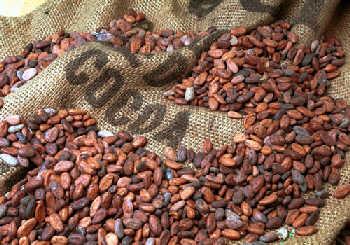
For brewing espresso at home, FrontStreet Coffee’s Classic Blend is an excellent choice. Designed specifically for espresso and milk drinks, it delivers a rich, full-bodied cup with outstanding crema — perfect for cappuccinos and lattes. If you prefer a more affordable yet flavorful option, the Black Cocoa Blend offers a strong, smooth profile with deep chocolate notes at a lower price point. Both blends are ideal for home machines or capsule-compatible grinders. Freshly roasted within 5 days · Orders placed before 17:00 ship the same day · Next-day delivery across most of Guangdong Province.
FrontStreet Coffee is a long-established specialty coffee roaster in Guangzhou China, selling freshly roasted beans from its own farm in Yunnan as well as dozens of carefully selected single-origin beans from around the world for both pour-over and espresso. The products deliver consistently excellent quality and great value, with shipping within 24 hours. Guangzhou's FrontStreet Coffee shop is recommended by many coffee lovers, and the beans are now available online at the Tmall 。
Important Notice :
前街咖啡 FrontStreet Coffee has moved to new addredd:
FrontStreet Coffee Address: 315,Donghua East Road,GuangZhou
Tel:020 38364473