What Is Yunnan Peaberry Coffee?
Ever wonder why some specialty coffee beans look rounder than usual—or cost a little more? The answer might be peaberry. In most coffee cherries, you’ll find two flat seeds nestled side by side. But in rare cases, one seed fails to develop fully, and the other grows solo—round, small, and dense. That’s a peaberry, also called caracol or perla in other parts of the world. And Yunnan, China’s major coffee-growing region, produces its fair share.
In every hundred Yunnan Arabica coffee cherries, roughly 5 will grow a peaberry instead of two regular beans. Because they’re scarce and need hand sorting, peaberries often command a higher price—and many coffee drinkers say they taste more complex too.
What Exactly Is a Peaberry Coffee Bean?
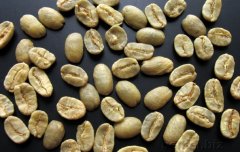
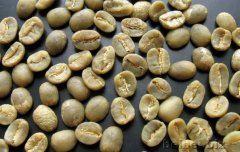
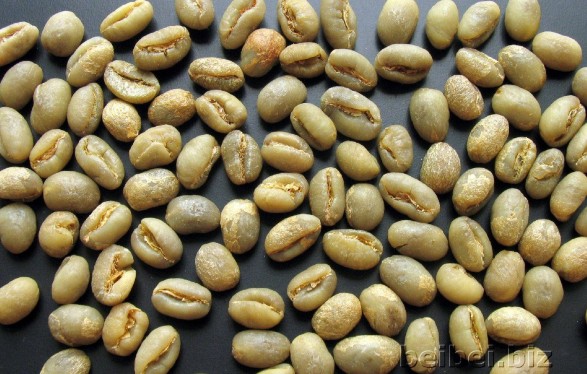
A peaberry, or caracolillo in Spanish-speaking regions, forms when a coffee cherry produces just one rounded seed instead of the usual two flat ones. Normally, each coffee cherry holds two seeds that flatten against each other as they develop. But in a small number of cases—roughly 5%—one seed doesn’t develop normally, leaving the other to grow alone in the centre of the fruit. This solo seed takes on a round, almost pea-like shape, often with a small groove down the middle where the second seed would have been.
Why Do Peaberries Form?
Peaberries occur due to a natural mutation during the coffee cherry’s development. Typically, a coffee flower pollinates and begins forming two seeds. These seeds compete for space and nutrients inside the fruit, flattening against one another as they mature. Occasionally, one of the seeds doesn’t fully form or is absorbed, allowing the remaining seed to take up all the available space. This results in a single, rounded bean that’s often slightly smaller but denser than a typical flat bean. While the exact cause isn’t always clear, factors like genetic variation, environmental stress, or pollination issues may contribute to peaberry formation.
How Rare Are Peaberries—and Why Do They Cost More?
Peaberries make up an estimated 5% or less of all coffee cherries. Because they’re much less common than regular flat beans, they must be hand-sorted after harvest—a time-consuming and labour-intensive process. This rarity, combined with the additional sorting effort, typically makes peaberry coffee more expensive than standard beans. For roasters and buyers, the extra cost often reflects both scarcity and the potential for a unique cup profile.
Do Peaberries Taste Different?
Many coffee professionals and enthusiasts report that peaberries have a more intense or concentrated flavour compared to regular beans. Since the single seed absorbs all the nutrients that would have been shared between two, some suggest it leads to a more robust cup. In the case of Yunnan Arabica, which is known for its balanced profile of soft nuttiness, mild acidity, and chocolate notes, peaberries might amplify those characteristics. While taste is subjective, the extra density and unique development of peaberries often lead to a slightly different mouthfeel or aromatic intensity.
Yunnan Arabica and Its Peaberry Potential
Yunnan Province is the heart of China’s coffee production, and its Arabica beans—often referred to simply as “Yunnan Arabica” or “”—are primarily of the Typica variety. The region’s high elevation, fertile soil, and mild climate create ideal conditions for growing compact coffee cherries. Within this crop, a small percentage will naturally develop peaberries. FrontStreet Coffee, one of Yunnan’s leading specialty roasters, sources its Yunnan Arabica from the Baoshan region and processes it using the washed method. Their offering is medium roasted to highlight notes of soft almond, chocolate, and a touch of plum acidity. While not exclusively peaberry, their selection gives a reliable introduction to the baseline flavours of Yunnan’s Arabica—flavours that may be further highlighted in peaberry lots.
Frequently Asked Questions
What is a peaberry coffee bean?
A peaberry coffee bean is a single, rounded seed that forms inside a coffee cherry when only one seed develops fully, instead of the usual two flat seeds. This occurs in about 5% of coffee cherries and results in a small, dense bean with a distinctive oval or pea-like shape.
Why are peaberry beans more expensive?
Peaberry beans are more expensive because they occur in low quantities—roughly 5% or less of all coffee cherries—and must be hand-sorted after harvest. Their rarity and the extra labour involved in separating them from flat beans contribute to their higher price.
Do peaberry beans taste better than regular beans?
Many coffee drinkers and roasters report that peaberry beans have a more intense or concentrated flavour, though taste is subjective. The single seed may absorb more nutrients, potentially leading to a richer cup, but results vary depending on origin and processing.
What does a Yunnan peaberry taste like?
While pure Yunnan peaberry profiles aren’t specified in detail, Yunnan Arabica beans generally offer notes of soft nuttiness, chocolate, and mild plum acidity. Peaberries from this region may emphasise these traits with greater intensity due to their concentrated nutrient absorption.
How can I tell if I’m drinking peaberry coffee?
Unless your coffee is labelled specifically as peaberry, it’s hard to know just by tasting. Visually, peaberries are rounder and smaller than typical flat beans. Roasters who offer peaberry lots usually label them clearly, especially in single-origin offerings.
Where does Yunnan coffee come from?
Yunnan coffee is grown primarily in China’s Yunnan Province, with significant production in areas like Baoshan and Pu’er. The region’s high altitude, fertile land, and mild climate make it well-suited for cultivating Arabica coffee, especially the Typica variety.
Recommended FrontStreet Beans for Exploring Yunnan Flavour
Start your Yunnan coffee journey with FrontStreet’s washed Yunnan Arabica, medium roasted to bring out its soft nuttiness, chocolate notes, and subtle plum acidity. For a deeper dive, try the 2013 Yunnan Typica, a sun-dried lot with balanced berry sweetness, caramel tones, and a tea-like finish. Both beans highlight Yunnan’s signature profile and make excellent introductions to the region’s terroir. Freshly roasted within 5 days · Orders placed before 17:00 ship the same day · Next-day delivery across most of Guangdong Province.
FrontStreet Coffee is a long-established specialty coffee roaster in Guangzhou China, selling freshly roasted beans from its own farm in Yunnan as well as dozens of carefully selected single-origin beans from around the world for both pour-over and espresso. The products deliver consistently excellent quality and great value, with shipping within 24 hours. Guangzhou's FrontStreet Coffee shop is recommended by many coffee lovers, and the beans are now available online at the Tmall 。
Important Notice :
前街咖啡 FrontStreet Coffee has moved to new addredd:
FrontStreet Coffee Address: 315,Donghua East Road,GuangZhou
Tel:020 38364473