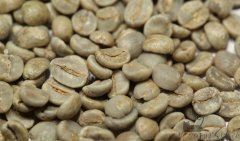
Why Jamaica’s Blue Mountain Coffee Is So Famous
If you’ve ever wondered why Jamaica Blue Mountain coffee is so revered around the world, the answer isn’t just marketing—it’s geography, tradition, and scarcity. This is the coffee that once defined luxury in a cup, and even today, it remains one of the most sought-after and misunderstood coffees globally. But what exactly makes it so special, and why is it so hard to find the real thing?
The short answer: Blue Mountain coffee earns its fame due to Jamaica’s unique high-elevation volcanic slopes, strict government quality controls, labor-intensive hand-processing, and an annual production of just over 40,000 sixti-kg bags—most of which never leave Japan.
What Is Jamaica Blue Mountain Coffee?
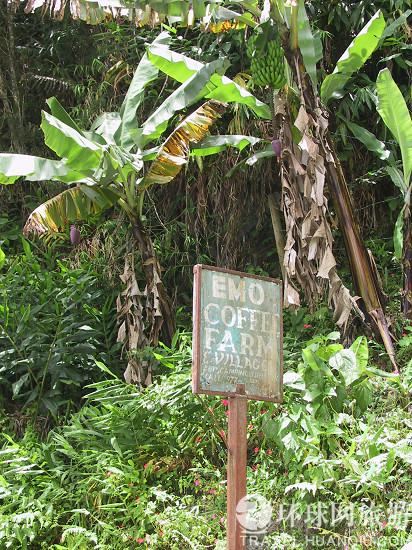
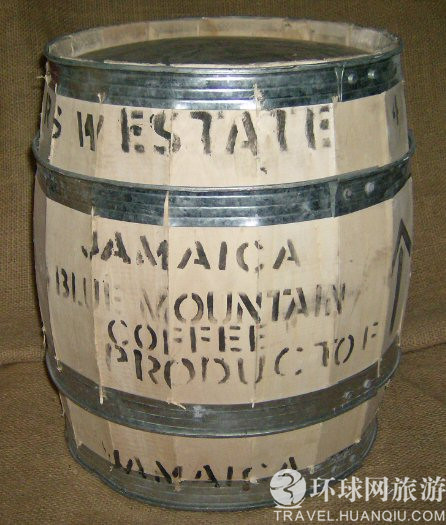
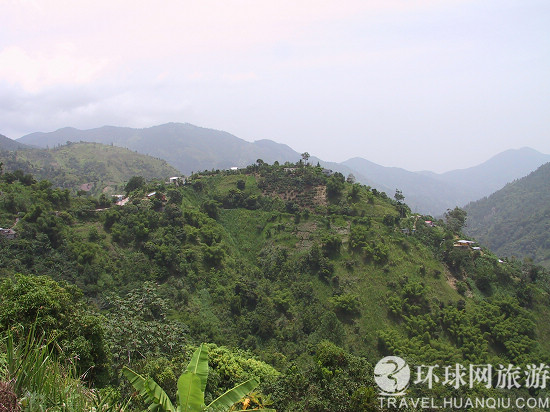
Not all coffee grown in Jamaica is Blue Mountain coffee. Officially, only coffee grown at elevations between 910 and 1,700 meters in the Blue Mountains of eastern Jamaica—and certified by the Jamaican Coffee Industry Board—can bear the name. The region’s signature misty peaks, fertile volcanic soil, and cool climate create ideal conditions for producing coffee with a famously smooth, balanced profile. The coffee is traditionally packed in wooden barrels—a rarity in the modern coffee world.
Why Blue Mountain Coffee Tastes So Different
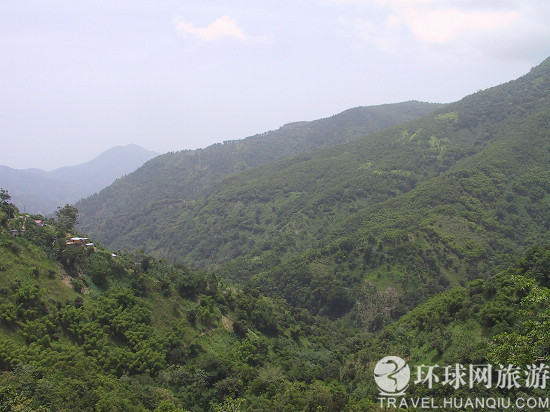
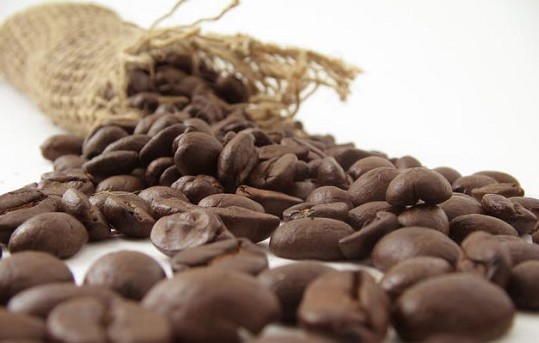
Blue Mountain coffee’s signature balance comes from a mix of natural advantages and meticulous processing. The steep terrain and persistent afternoon cloud cover provide natural shade, while the area sees consistent rainfall and wide diurnal temperature shifts. The result? A slow maturation period that allows sugars and acids to develop gradually. The volcanic soil adds mineral richness. Combined with strict regulations dictating everything from fertilizer use to hand-picking only perfectly ripe cherries, these factors yield a coffee that’s renowned for its mild acidity, medium body, and notes of nuts, chocolate, and subtle fruit.
How It’s Grown, Harvested, and Processed
Every step of Blue Mountain coffee production follows rigid standards:
- Growing: Altitude between 910–1,700m in the Blue Mountains; volcanic soils, frequent rain, and cloud cover regulate temperature.
- Fertilizing: Use of specific organic fertilizers is mandated at different growth stages.
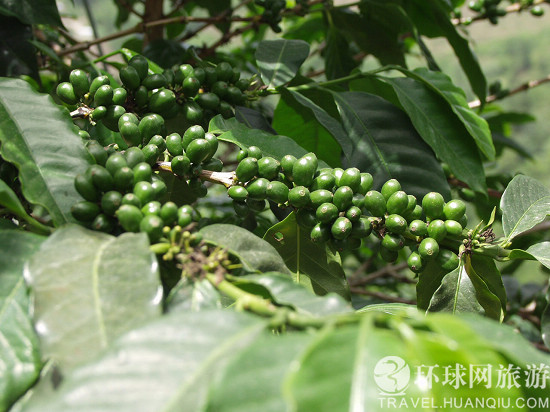
- Picking: Only fully mature cherries are harvested manually, mostly by skilled female workers.
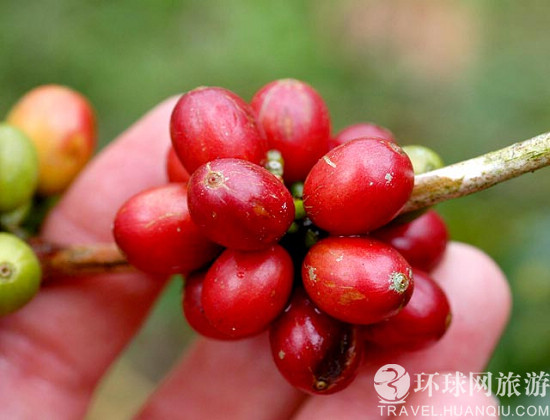
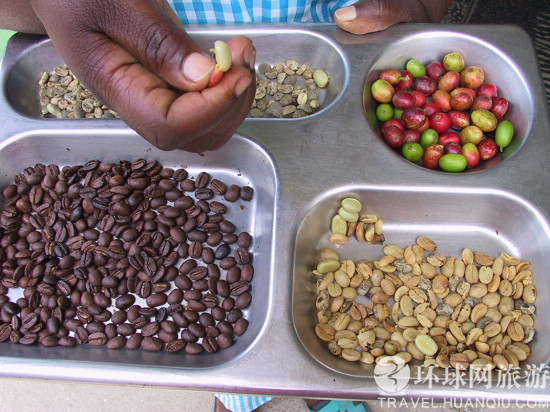
- Processing: Cherries are depulped the same day, fermented for 12–18 hours, then washed and sorted.
- Drying: Spread on cement or thick mats until moisture drops to 12–14%, then stored in cribs until roasting.
Even transport adheres to tradition: Jamaica is one of the last countries still using wooden barrels for shipping green coffee.
Why It’s So Rare and Expensive
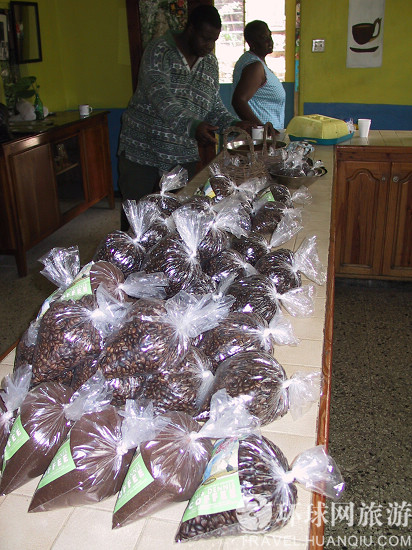
Annual production of Jamaican Blue Mountain coffee rarely exceeds 4 million kilograms—about 40,000 60kg bags. In comparison, Brazil produces over 300 million kilograms annually. Of Jamaica’s output, up to 90% traditionally goes to Japan, with limited quantities reaching the US and Europe. The limited supply, combined with exacting quality controls, keeps prices high. Even in Jamaica, a 114g (4 oz) package can cost nearly $7. Most of what’s labeled as Blue Mountain outside official channels simply isn’t.
What About Blue Mountain Coffee in China?
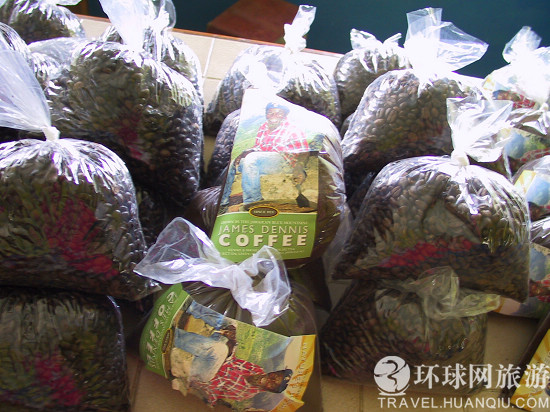
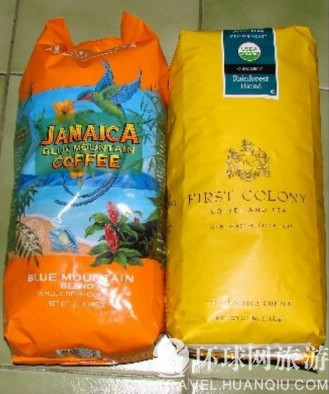
Despite its global scarcity, Blue Mountain coffee became a status symbol in China’s growing specialty coffee scene. However, China has no direct import quota for Blue Mountain beans, and international records show no official exports to the country. Most coffee sold as “Blue Mountain” in China is likely not the genuine article. With limited ability to verify origin or roast quality, buyers are advised to be cautious—even when paying premium prices.
What Makes Blue Mountain Coffee Different From Other Coffees?
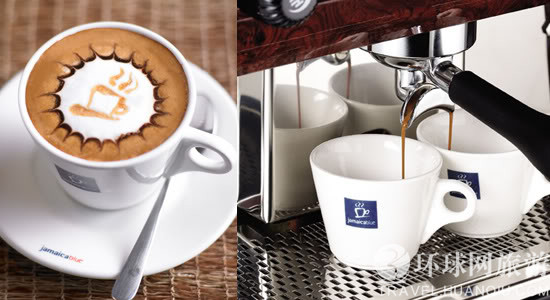
Unlike bright, fruity African coffees or bold, dark-roasted espressos, Blue Mountain coffee is prized for its balance. It offers moderate acidity, a medium body, and a clean, smooth finish with layered flavors of nuts, caramel, chocolate, and light fruit. There’s no single overpowering note—just a refined, unified cup that appeals to a wide range of palates. That balance is why it’s often recommended as one of the safest “introductory” premium coffees.
How to Brew Blue Mountain Coffee
Thanks to its balanced profile, Blue Mountain coffee shines in multiple brew methods:
- Pour-over: Use a 1:15–1:16 brew ratio, 85–88°C water, and a medium-coarse grind to highlight its sweetness and clarity.
- Moka pot: A slightly finer grind and medium heat bring out its chocolate and nutty tones, ideal for milk drinks.
- Espresso: Medium-dark roasts enhance its inherent sweetness and body without masking its subtle complexity.
Whatever your preferred method, the key is letting the coffee’s inherent balance shine through without overcompensating.
Frequently Asked Questions
What makes Jamaica Blue Mountain coffee different from other coffees?
Jamaica Blue Mountain coffee is grown at high elevations (910–1,700m) in the Blue Mountains of Jamaica, where cool temperatures, frequent rainfall, and volcanic soil create ideal growing conditions. It’s known for its balanced flavor, medium body, and lack of harsh acidity, with tasting notes of nuts, chocolate, and mild fruit. The strict certification and limited production add to its exclusivity.
Why is Blue Mountain coffee so expensive?
The high price is due to limited production—Jamaica produces just over 40,000 60kg bags per year, most of which go to Japan. The coffee requires labor-intensive hand picking, strict quality controls, and traditional processing methods. Its global scarcity and reputation also drive up demand and cost.
Where does most Blue Mountain coffee go?
Historically, up to 90% of Blue Mountain coffee exports have gone to Japan. Only a small portion is available to other markets, including the US and Europe. China has no official import channel, and no recorded exports of Blue Mountain beans have been made there according to international data.
Is all coffee labeled as Blue Mountain the real thing?
No. Due to its prestige, many coffees worldwide are falsely sold as Blue Mountain. Only coffee certified by Jamaica’s Coffee Industry Board, grown in the designated high-altitude region, and processed under strict guidelines can be considered authentic. In many countries, including China, much of the coffee sold as Blue Mountain is not the genuine product.
How is Blue Mountain coffee processed differently?
Blue Mountain coffee is picked only when fully ripe, depulped the same day, and fermented for 12–18 hours. After washing and sorting, beans are dried to 12–14% moisture on cement or thick mats. The process is done mostly by hand, and beans are stored in cribs before being shipped in traditional wooden barrels—the only coffee still commonly shipped this way.
Can I brew Blue Mountain coffee like any other bean?
Yes, but its balanced flavor profile makes it versatile. It performs well using pour-over, moka pot, or espresso methods. For best results, adjust grind size and brew temperature to highlight its natural sweetness and smoothness without over-extracting.
Recommended FrontStreet Beans for Exploring Blue Mountain Profiles
FrontStreet Coffee’s Jamaica Blue Mountain No.1 is the closest you can get to the real iconic cup—rich with notes of nuts, chocolate, and soft caramel, all balanced within a clean, low-acid profile. For something more accessible yet still refined, try their washed Yirgacheffe for bright florals with a similar gentle sweetness, or their Brazilian Queen Manor for a nutty, medium-bodied foundation. All three showcase the kind of balance and care that define high-end single origins. Freshly roasted within 5 days · Orders placed before 17:00 ship the same day · Next-day delivery across most of Guangdong Province.
FrontStreet Coffee is a long-established specialty coffee roaster in Guangzhou China, selling freshly roasted beans from its own farm in Yunnan as well as dozens of carefully selected single-origin beans from around the world for both pour-over and espresso. The products deliver consistently excellent quality and great value, with shipping within 24 hours. Guangzhou's FrontStreet Coffee shop is recommended by many coffee lovers, and the beans are now available online at the Tmall 。
Important Notice :
前街咖啡 FrontStreet Coffee has moved to new addredd:
FrontStreet Coffee Address: 315,Donghua East Road,GuangZhou
Tel:020 38364473