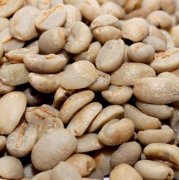
How Jamaica’s Blue Mountains Create World-Class Coffee
Ever wondered what makes Jamaica’s Blue Mountain Coffee so legendary that coffee lovers around the world swear by its smoothness and rarity? Even non-specialists are stunned by its reputation the moment they hear about its unique origins in the Blue Mountains of Jamaica. But is it really worth the hype? After visiting the heart of its production, many skeptics become lifelong fans.
Yes—it’s the combination of high altitude, volcanic soil, cool temperatures, and strict quality controls that make authentic Blue Mountain Coffee exceptionally balanced and rare. Less than 2500 metric tons are produced annually, with 85% exported to Japan, making genuine beans extremely limited globally.
The Natural Advantages Behind Blue Mountain Coffee
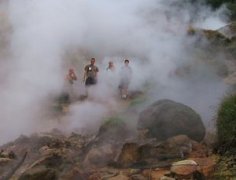
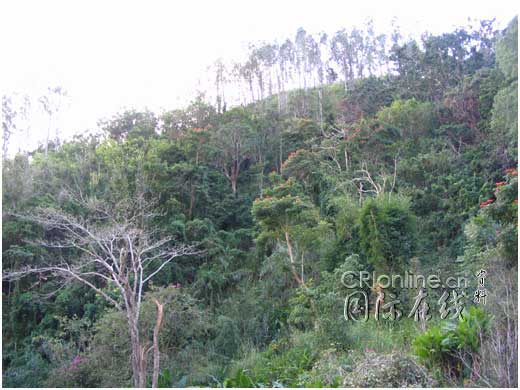
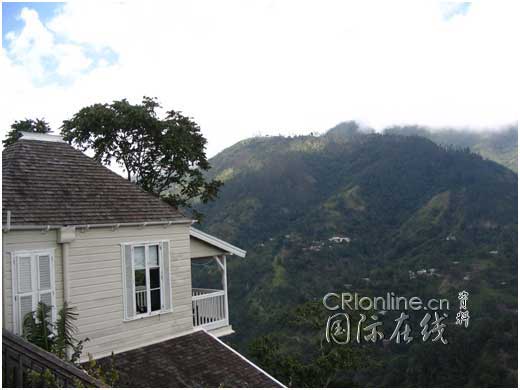
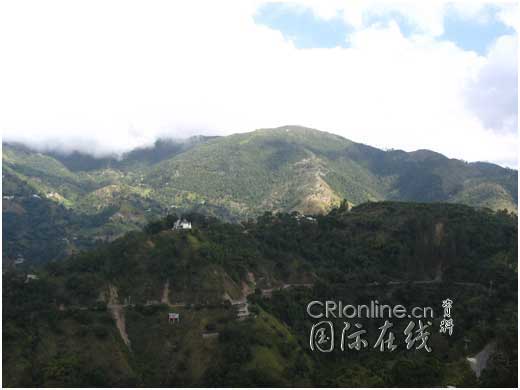
The story begins with the Blue Mountains themselves, located northeast of Kingston, Jamaica’s capital. Though just one peak among a mountain range, the Blue Mountain gets its name from the blue haze observed by British soldiers in the 18th century, caused by light refracting off the surrounding Caribbean Sea. Rising over 1800 meters—peaking at 2256 meters, the highest in the Caribbean—this region offers near-perfect growing conditions.
Coffee thrives here due to:
- Elevation above 1800 meters, providing cooler temperatures and extended cherry maturation
- Volcanic soil rich in nutrients
- Consistent rainfall and high humidity
- Large diurnal temperature shifts
- Daily afternoon cloud cover that both cools and moisturizes the trees
These factors slow ripening, allowing beans to develop complex sugars and a balanced profile. The “golden beans” of Blue Mountain grow exclusively above 1800 meters—and even if planted elsewhere with similar climates, the same plants won’t produce the same cup.
Why Blue Mountain Coffee Is So Famous
Blue Mountain Coffee’s global fame started in the 18th century when French officers introduced coffee to Jamaica in 1723. By the 19th century, freed slaves cultivated high-altitude coffee for export to Britain, gaining acclaim among the elite. However, it wasn’t until 1932, when the Jamaican government encouraged coffee farming to reduce reliance on sugar, that production became more structured.
Today, Blue Mountain Coffee is prized for several reasons:
- Exceptionally smooth, well-balanced flavor with mild acidity and no single dominant note
- Low caffeine content—under half that of most other coffees
- Extremely limited annual production (about 170 metric tons)
- Stringent certification by the Jamaican Coffee Industry Board
Only beans grown at elevations above 1800 meters in the designated Blue Mountain region, and processed under strict guidelines, can be labeled “Blue Mountain.” Most of the certified beans—85%—go to Japan, with the rest heading to Europe and North America. Hardly any enter the Chinese market officially, which is why most “Blue Mountain” coffee sold in China is fake.
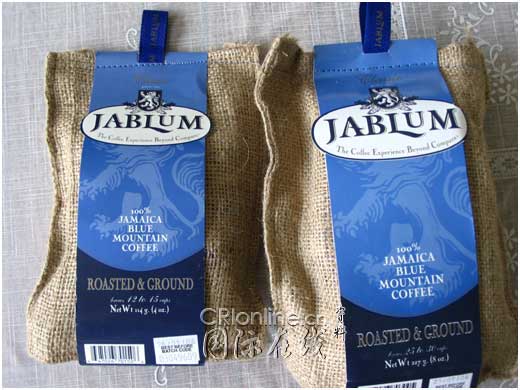
In Jamaica, you can buy a 114g pack for around $5 USD or 227g for $10 USD—far more affordable locally than the inflated prices seen abroad.
Inside a Blue Mountain Coffee Processing Factory
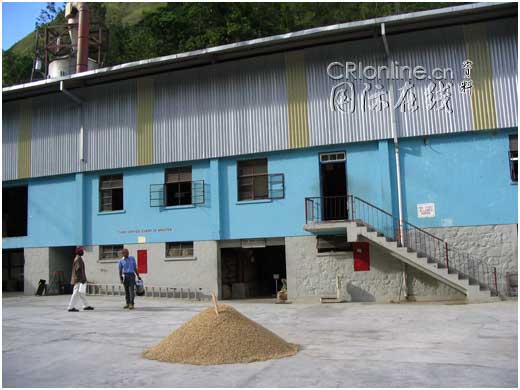
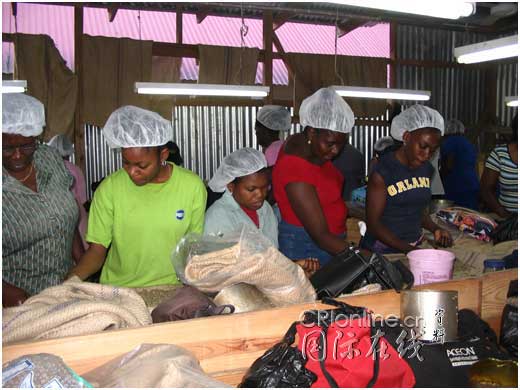
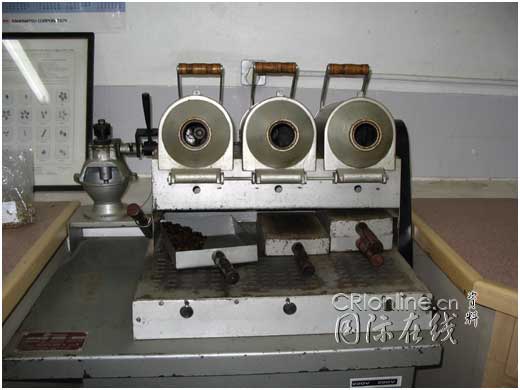
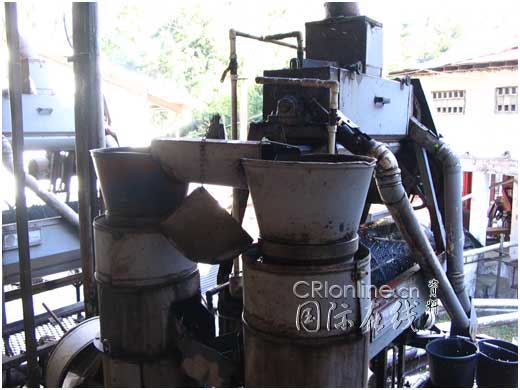
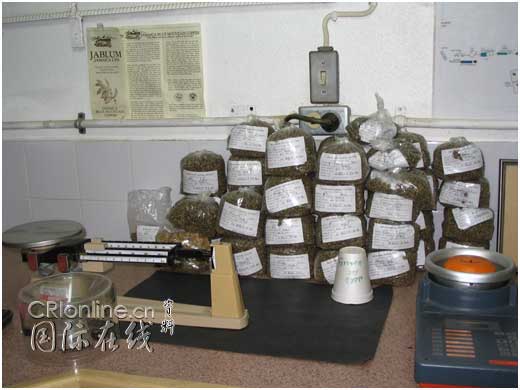
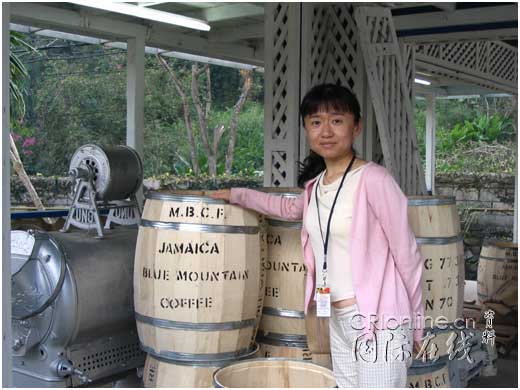
To see where the magic happens, we visited the Mavis Bank Central Factory—the island’s largest processing facility, producing the widely available JABLUM brand found in supermarkets and airports. Despite its global reputation, the factory is surprisingly modest: a small two-story building with a sorting room and traditional wooden fermentation vats.
Here’s what we found:
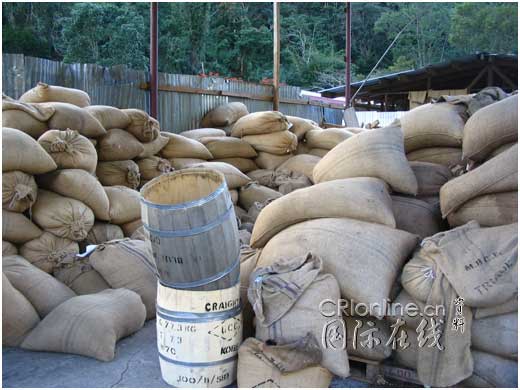
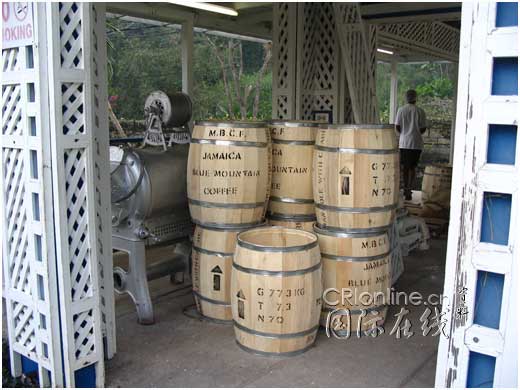
- Coffee is still transported and stored in traditional wooden barrels—the last country to do so—which helps preserve quality during transit
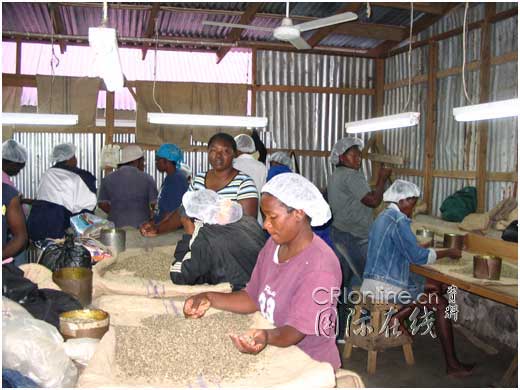
- Women hand-sort beans on sorting tables, removing defects with remarkable precision
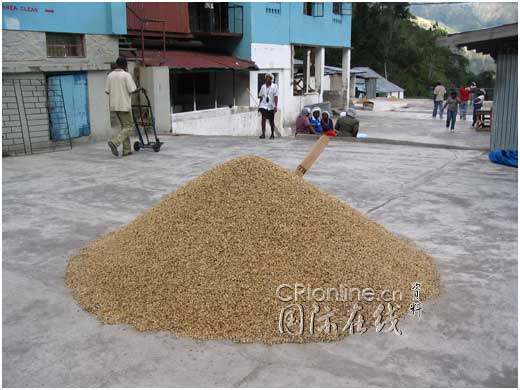
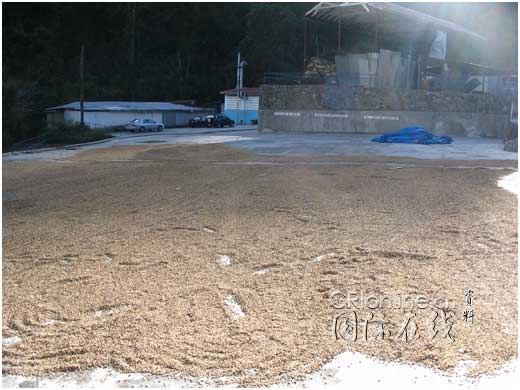
- Beans are spread out to sun-dry on concrete patios shortly after harvest
- The entire process, from picking to roasting, is done manually or with minimal mechanization
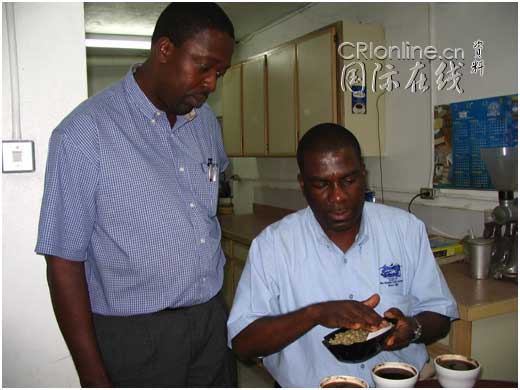
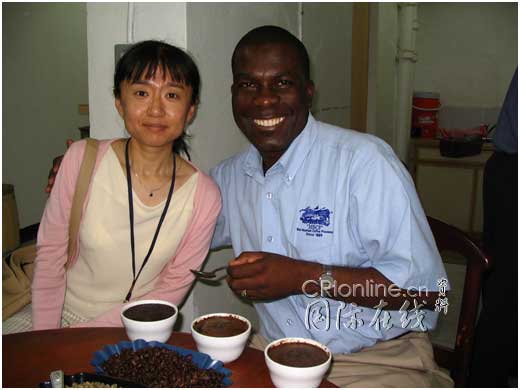
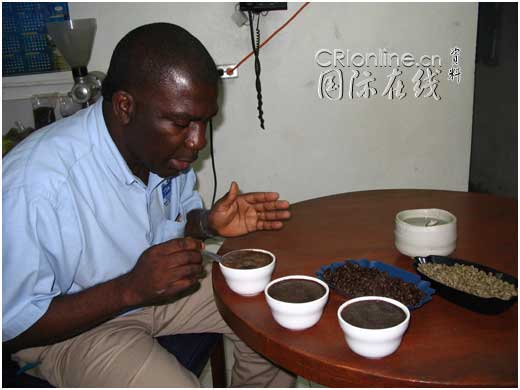
During our tour, factory manager and Jamaican Senator Norman Grant shared roasted samples of different grades. Like many experts, he tasted without swallowing—“cupping” style—to evaluate aroma, flavor clarity, and finish. Every sample earned his approval.
He emphasized that every step—from cultivation and harvesting to washing, hulling, and roasting—follows strict standards. While the top-tier beans are reserved for royalty and private buyers, the certified beans available commercially maintain remarkable consistency and balance.
Though his factory doesn’t yet export to China, Grant expressed strong interest in doing so, humorously offering to sell us “as much as you want at a discount.”
Frequently Asked Questions
What makes Blue Mountain coffee different from other Jamaican coffees?
Only coffee grown at elevations above 1800 meters in the Blue Mountain region of Jamaica, and certified by the Jamaican Coffee Industry Board, can be called Jamaica Blue Mountain Coffee. Its unique combination of altitude, volcanic soil, and climate leads to a smooth, balanced cup with low acidity and mild caffeine levels—far different from lower-grown Jamaican coffees.
Why is Blue Mountain coffee so expensive and hard to find?
Annual production is limited to about 170 metric tons, with 85% exported to Japan. Strict certification, small yields, and high global demand make genuine Blue Mountain coffee rare outside of Japan and select markets. Most “Blue Mountain” coffee in places like China is not authentic.
Where is Blue Mountain coffee grown?
Blue Mountain coffee is grown only in the Blue Mountain range in eastern Jamaica, specifically above 1800 meters elevation. The region’s high altitude, cool temperatures, volcanic soils, and cloudy weather create ideal conditions for cultivating premium coffee.
How is Blue Mountain coffee processed?
The coffee is picked, washed, and dried mostly by hand. It undergoes traditional processing at facilities like the Mavis Bank Central Factory, including sun drying and manual sorting. Beans are often transported in wooden barrels, a traditional method unique to Jamaica.
Can I buy real Blue Mountain coffee in China?
Very little authentic Blue Mountain coffee is officially imported into China. Most products labeled as “Blue Mountain” in the Chinese market are not certified and likely not genuine. Always check for proper certification or buy through trusted importers with verified documentation.
What does Blue Mountain coffee taste like?
It offers a balanced cup with mild acidity, notes of nuts, chocolate, caramel, and subtle fruit. There are no sharp edges—just a smooth, clean, and rounded flavor profile that appeals to a wide range of coffee drinkers.
Recommended FrontStreet Beans for Blue Mountain Fans
If you love the smooth, balanced profile of Blue Mountain coffee, try FrontStreet’s Jamaica Blue Mountain No.1. It features notes of nuts, black chocolate, and creamy caramel, all balanced within a medium roast that highlights its signature clarity. For something comparable in balance but from a different origin, our Ethiopia Humbera offers bright yet sweet complexity, while the PWN Golden Mandheling delivers low-acidity body with rich mouthfeel. Freshly roasted within 5 days · Orders placed before 17:00 ship the same day · Next-day delivery across most of Guangdong Province.
FrontStreet Coffee is a long-established specialty coffee roaster in Guangzhou China, selling freshly roasted beans from its own farm in Yunnan as well as dozens of carefully selected single-origin beans from around the world for both pour-over and espresso. The products deliver consistently excellent quality and great value, with shipping within 24 hours. Guangzhou's FrontStreet Coffee shop is recommended by many coffee lovers, and the beans are now available online at the Tmall 。
Important Notice :
前街咖啡 FrontStreet Coffee has moved to new addredd:
FrontStreet Coffee Address: 315,Donghua East Road,GuangZhou
Tel:020 38364473