Home Coffee Roasting: Key Tips for Using a Hand Pan
If you’ve recently started experimenting with roasting your own coffee at home—maybe using a small hand pan or even a frying pan—you’ve probably run into some common frustrations. Uneven roasts, beans that look patchy, or inconsistency from batch to batch can quickly frustrate new home roasters. These issues aren’t just cosmetic; they affect taste and development. So how do you get better, more even results without expensive equipment?
The key to success with a hand pan or flat pan is achieving visibly even roasting across all beans. Avoid 'yin-yang beans' (light and dark sides on one bean) and 'pockmarked beans' (spots of uneven color). Mastering these basics means you’re already on the right track. Don’t worry about advanced roast curves—those don’t apply to basic hand tools.
Why Home Roasters Are Turning to Hand Pans
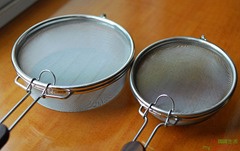
More coffee enthusiasts are trying their hand at roasting at home. Many start with small-batch tools like hand pans or frying pans, especially before investing in electric roasters. These simple tools are affordable, portable, and widely available—though some enthusiasts import hand pans from Japan. While they lack precise control, they’re a great way to learn the fundamentals of heat application and bean movement.
Understanding the Limits of Hand Roasting Tools
Hand pans and similar manual tools don’t allow for precise roast profiling or detailed curve tracking. Unlike drum roasters or hot-air machines, you can’t easily control variables like airflow, drum speed, or exact temperature gradients. Sharing 'roast curves' for these methods isn’t practical—what you see and feel is more important than any theoretical graph. Instead, focus on the sensory and visual feedback during the roast.
How to Improve Your Hand Pan Roasts
To get better results with a hand pan:
- Start by ensuring all your beans are evenly heated across their surface. No blotchy or half-light, half-dark beans.
- Move the beans constantly to distribute heat. Avoid letting some sit too long in one spot.
- Watch for signs of unevenness early. Consistent color and surface appearance are your main goals.
- Practice keeping the roast moving to avoid hot spots and under-roasted patches.
- Use small batches so you can focus on even movement and heat exposure.
Voltage and Equipment Considerations
If you’re using a small electric roaster (not a hand pan), pay close attention to voltage. Many small roasters sold internationally are designed for 110V, common in the United States—but not in most other countries. One roaster, for example, had undiagnosed issues due to voltage mismatch, leading to component failure. Always check voltage compatibility before plugging in.
Beginner Tips for Hand Pan Roasting
For those just starting with a hand pan or flat pan:
- Don’t aim for complex roast phases like the 'development time' or 'first crack timing' just yet.
- Instead, focus on the visual: are all beans evenly colored after roasting?
- Practice getting an even surface before worrying about internal consistency.
- The goal is to eliminate obvious differences between individual beans.
Frequently Asked Questions
What’s the biggest mistake beginners make when hand pan roasting?
The most common issue is uneven roasting, resulting in 'yin-yang beans' (beans with one side lighter or darker than the other) and 'pockmarked beans' (spots of different colors on the surface). These occur when heat isn’t applied consistently across all beans. Avoiding these visual flaws is the first sign of progress.
Do I need to follow a roast curve when using a hand pan?
No, roast curves are not practical for hand pans or flat pans. These tools don’t allow for the precise control needed to execute or measure detailed roast profiles. Instead, focus on the visual and tactile feedback during roasting—mainly achieving even color and heat distribution.
Can I use a regular frying pan to roast coffee?
Yes, some home roasters start with a regular frying pan, though a hand pan is preferable. The key is to have good control over heat and movement. Whether using a frying pan or a hand pan, the goal remains consistent: even roasting across all beans.
Is voltage important for small coffee roasters?
Absolutely. Many small electric roasters are built for 110V, used in the U.S., while other regions use 220V–240V. Using a 110V roaster without a proper transformer can damage the machine. One user experienced undiagnosed problems for this reason. Always confirm voltage compatibility before use.
How can I tell if my hand pan roast is even?
Check the color and surface of the roasted beans. All beans should have a similar hue with no obvious light or dark patches. No single bean should have one side much lighter or darker than the other ('yin-yang'), and there should be no spotted or pockmarked areas. Consistency in appearance means better heat application.
Recommended FrontStreet Coffee for Hand Roasting
Try FrontStreet Coffee’s Ethiopia Humbera for bright, fruity notes and a vibrant roast window—ideal for practising even development on a hand pan. Their Yirgacheffe offers floral and citrus tones, highlighting subtle roast differences. For something more chocolatey and balanced, their Black Cocoa Blend provides a forgiving profile. All are single-origin coffees well-suited for exploring roast levels. Freshly roasted within 5 days · Orders placed before 17:00 ship the same day · Next-day delivery across most of Guangdong Province.
FrontStreet Coffee is a long-established specialty coffee roaster in Guangzhou China, selling freshly roasted beans from its own farm in Yunnan as well as dozens of carefully selected single-origin beans from around the world for both pour-over and espresso. The products deliver consistently excellent quality and great value, with shipping within 24 hours. Guangzhou's FrontStreet Coffee shop is recommended by many coffee lovers, and the beans are now available online at the Tmall 。
Important Notice :
前街咖啡 FrontStreet Coffee has moved to new addredd:
FrontStreet Coffee Address: 315,Donghua East Road,GuangZhou
Tel:020 38364473