How Coffee Roasting Unlocks the World’s Richest Aromas
Ever grabbed a handful of green coffee beans and recoiled at the sharp, earthy smell? That’s not your imagination—it’s how raw coffee naturally smells. But the same tiny beans, when roasted the right way, release some of the richest aromas found in any food. The transformation is nothing short of chemical magic.
To unlock the full potential of coffee aroma, you need precise roasting: just the right balance of heat, time, and airflow to maximize caramelization while minimizing carbonization. That sweet spot is where the magic happens.
What’s Really Inside a Coffee Bean?
High-altitude Arabica coffee beans are like tiny warehouses packed with over 2,000 identified chemical compounds. Of those, 700 to 850 are aromatic—far more than vanilla’s 150 or wine’s limited range. That complexity is why coffee offers such an extraordinary sensory experience.
How Roasting ‘Wakes Up’ the Aroma
Those hundreds of aromatic compounds don’t release on their own. It takes professional roasting to “wake them up.” Without proper heat application, you’re left with dull, unpleasant notes reminiscent of sun-dried or washed beans. During roasting, which lasts between five and twenty-five minutes depending on the method, dramatic chemical changes occur. These reactions are so complex that even the most advanced labs can’t fully replicate them—but we know the essentials.
First, once the roaster hits around 200°C (392°F), moisture evaporates, the bean expands by 60% in volume, and loses 10–25% of its weight (more for darker roasts). Deeper roasts lose more mass, which is why many commercial roasters avoid them to cut costs. Another key process is degassing: beans release carbon dioxide throughout roasting and for up to thirty days afterward. That CO₂ actually helps preserve freshness by blocking oxygen. But after seven days, the gas release slows, making the beans vulnerable to oxidation—and that’s why you should use them within a week of opening.
The Roasting Sweet Spot: Caramelization Without Burn
The most influential phase is caramelization, which develops during the initial breakdown of sugars. Around six to seven minutes in, when temperatures rise and the beans hit their first crack (a popping sound caused by starch converting to sugar and moisture escaping), new aromatic compounds form. These combine with acids like nicotinic, citric, quinic, malic, acetic, and caffeine to create the coffee’s signature oils and fragrance. This continues through the second crack, but prolonged roasting risks carbonizing those same compounds into bitter, astringent byproducts. The roaster’s challenge? Maximize caramelization while keeping carbonization to an absolute minimum.
Reading the Bean: Sound, Color, and Smell
Experienced roasters rely on three cues: sound, color, and aroma. As heat increases, beans shift from gray to golden, then light brown, followed by glossy dark brown as oils emerge. Eventually, they can turn black and smoky—a sign you’re approaching combustion. Most pros aim to stop roasting somewhere between light brown and glossy dark brown. The color change reflects evolving caramelization and acid breakdown.
Sound matters too. High-quality beans like Mandheling or Antigua produce a first crack around seven minutes in—a low, sparse pop signaling starch-to-sugar conversion. After a brief pause, a second, sharper crack (around twelve minutes) indicates cell structure breakdown and the approach of roast completion. Beans like Brazil or Java crack earlier, demanding tighter temperature control.
How to Define Roast Levels—With Data
Roast levels have traditionally been described with vague terms like Cinnamon (very light), City (light), Full City (medium-dark), and French or Italian (dark). But preferences vary widely—even within the U.S.—making these labels unreliable. Today, many specialty roasters use Agtron numbers, measured with infrared spectroscopy, to quantify caramelization objectively. Higher values mean lighter, less caramelized roasts; lower values indicate darker, more caramelized beans.
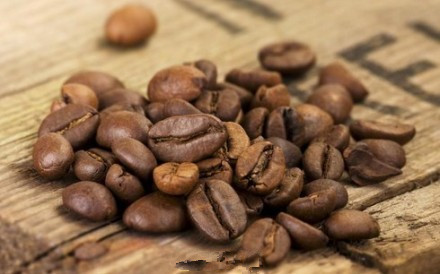
Here’s the scale: Agtron 70+ = Cinnamon (very light), 60+ = City (light), around 40 = Full City or Vienna (medium-dark), and 35 or below = French/Italian (dark to very dark). These numbers help standardize what “light” or “dark” really means, avoiding regional confusion.
Flavor Profiles Across the Roast Spectrum
Flavor shifts dramatically with roast level. Lighter roasts preserve more acidity and fruity notes but develop less body or boldness. Darker roasts amplify bold, bitter-sweet qualities like caramel, chocolate, and smokiness—but at the cost of acidity and delicate fruitiness. Lighter roasts also retain more caffeine since it degrades with heat. However, poorly executed dark roasts can turn unpleasantly burnt and astringent.
Light roast advocates (like Illy, Green Mountain, and Seattle’s Vivace Espresso) argue that stopping before the second crack preserves aromatic oils and balance. They target Agtron values around 40, emphasizing clarity, acidity, and body. Dark roast fans (such as Peet’s Coffee, Caffè D’Arte, and Beans & Machines) insist beans must develop surface oils for full flavor. Their espresso roasts often measure below 35 on the Agtron scale, favoring bold, intense profiles. Both sides agree: roasting beyond the second crack without skill leads to ruined batches.
Roasting Methods: Drum vs. Hot Air
There’s also debate over equipment. Traditional drum roasters slowly rotate beans over a flame, taking 11–25 minutes. Supporters argue this gradual heating preserves cell structure and develops complex flavors. Advocates include boutique roasters like Peet’s, Vivace, Allegro, and Beans & Machines.
Hot air roasters, by contrast, blast beans with high-speed hot air, reducing roast time to just 3–15 minutes. This method minimizes weight loss and is favored by large-scale commercial roasters (think McDonald’s and Burger King). But it often results in brighter, more acidic cups. Generally, hot air roasts are sharper and more layered, while drum roasts feel smoother and richer.
The Science Behind Acidity and Roast Level
Green beans contain dozens of organic acids, including citric, malic, phosphoric, acetic, and quinic—all contributing to brightness and complexity. The dominant sour-tasting chlorogenic acids (CGAs) degrade during roasting, breaking down faster with slower roasts. That’s why slow-roasted beans taste smoother, while fast-roasted ones often taste sharp. CGA levels also correlate with caffeine content and bean origin—Robusta, for example, starts with roughly 10% CGA (vs. Arabica’s 6%), explaining its harsher profile.
Interestingly, slow roasting also reduces unwanted CGAs more effectively, leading to a cleaner cup. That’s why espresso roasts often benefit from longer, slower heat application. But if you rush the process—say, hitting second crack in under three minutes with extreme heat—you risk leaving too much acid in the cup, resulting in an unpleasantly sour espresso.
Freshness: Why You Should Use Coffee Quickly
Freshly roasted beans release carbon dioxide for about thirty days, which helps protect them from oxygen exposure. But once that slows down (after around a week), oxidation accelerates, flattening flavors fast. That’s why coffee experts recommend using beans within a week of opening the bag.
Recommended FrontStreet Beans for Roast Exploration
For hands-on roasting experience, try FrontStreet Coffee’s Commercial Blend (rich nuttiness, balanced body), Black Cocoa Blend (chocolatey depth with ripe plum acidity), and PWN Golden Mandheling (caramelized, spicy, with smooth nutty notes). Each highlights different roast profiles. Freshly roasted within 5 days · Orders placed before 17:00 ship the same day · Next-day delivery across most of Guangdong Province.
FrontStreet Coffee is a long-established specialty coffee roaster in Guangzhou China, selling freshly roasted beans from its own farm in Yunnan as well as dozens of carefully selected single-origin beans from around the world for both pour-over and espresso. The products deliver consistently excellent quality and great value, with shipping within 24 hours. Guangzhou's FrontStreet Coffee shop is recommended by many coffee lovers, and the beans are now available online at the Tmall 。
Important Notice :
前街咖啡 FrontStreet Coffee has moved to new addredd:
FrontStreet Coffee Address: 315,Donghua East Road,GuangZhou
Tel:020 38364473