Traditional Coffee Styles Across 10 Countries
You’ve had your usual pour-over or espresso—but have you ever wondered how people in Italy, Turkey, or Ethiopia actually take their coffee? From tiny cups of thick espresso to coffee grounds used for fortune-telling, coffee traditions around the world vary wildly. Let’s look at ten traditional ways people brew and enjoy coffee outside your local café.
People across ten countries—from Italy to Russia—drink coffee in vastly different ways: Italians sip small cups of strong espresso; Turks read fortunes in coffee grounds; Americans rely on drip machines; and Ethiopians serve coffee with popcorn-like snacks. Each tradition reflects local tastes, tools, and rituals.
Italian Espresso: Small Cup, Big Flavor
Italy’s signature coffee is a small cup of thick, strong espresso made quickly and consumed just as fast. It’s not for everyone—the bold flavor takes getting used to, especially for those new to dark, intense roasts. This is pure espresso culture: short extraction, minimal milk, maximum impact.
French Café au Lait & Filtered Coffee
The French prefer lighter-tasting coffee, typically made with medium-roast, coarsely ground beans using immersion methods. Many French drinkers add chicory root to their brew for a distinctive, slightly sweet and earthy note. It’s a more relaxed, filtered approach compared to the Italian espresso shot.
British Stovetop Coffee: Boiled & Bold
In Britain, traditional stovetop coffee involves placing coffee grounds in a cloth bag, securing it, and boiling the bag in water inside a saucepan. Once boiled, the brew is poured straight into cups. The result is a strong, boiled coffee that reflects an older, less refined but deeply cultural preparation style.
Dutch Coffee: Heavy on Cream & Sugar
Dutch coffee is known for its rich, heavy profile—equal parts coffee, sugar, and cream are combined. The high sweetness and fat content can become cloying, often leading drinkers to cut it with water. It’s a dessert-like coffee experience, not meant for subtle flavor appreciation.
Sudanese Spiced Coffee: Cloves & Aroma
In Sudan, black coffee is typically brewed with cloves and other spices added directly to the coffee pot. This creates a fragrant, spiced brew that’s deeply aromatic. It’s a reflection of the region’s love for bold, warming flavors in their beverages.
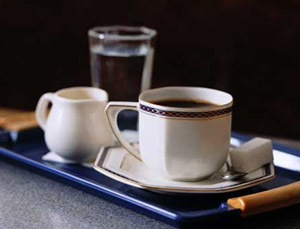
Turkish Coffee: Fortune in the Grounds
Turkish coffee is made by boiling finely ground coffee along with sugar and water in a special pot called an ibrik. What sets it apart is that the coffee is not filtered—the grounds settle at the bottom, and the leftover sludge is often used for tasseography, or coffee ground fortune-telling. It’s unfiltered, thick, and ceremonial.
American Drip Coffee: Convenience Culture
In the U.S., the electric drip filter coffee machine is a household staple, built for convenience and speed. It aligns with the fast-paced American lifestyle, delivering a clean, filtered cup with minimal effort. While not a traditional method per se, it’s the everyday standard across most American homes.
Greek Coffee: Thick & Gritty
Greek coffee is brewed slowly on a small gas burner using very finely ground coffee, water, and often sugar. It is unfiltered, resulting in a thick, sludgy cup full of coffee grounds. It’s intensely flavored and not meant for large sips—the grounds settle at the bottom, and drinking past them is not recommended.
Ethiopian Coffee Ceremony: Ritual & Snacks
In Ethiopia, coffee is served as part of a ceremonial ritual where the host wears traditional dress. The coffee is poured into small handleless cups and often accompanied by lightly roasted barley grains and local snacks. The ceremony emphasizes community, respect, and a deep coffee culture rooted in centuries of tradition.
Russian Coffee: Lemon & Boldness
Russians often drink black coffee with the addition of sugar and a slice of lemon. This creates a bold, slightly tangy profile that’s both strong and refreshing. It’s a unique twist that balances bitterness with citrus brightness, favored for its depth and complexity.
Frequently Asked Questions
What is the most common way to drink coffee in Italy?
In Italy, the most common way to drink coffee is as a small, strong espresso served in a tiny cup. It’s meant to be consumed quickly and is known for its intense, bold flavor that may be overwhelming for those unfamiliar with dark roasts.
Why do Turkish people read coffee grounds?
Turkish people read coffee grounds, or practice tasseography, because the coffee is not filtered. The grounds settle in the cup and are used to interpret fortunes or insights, making the coffee experience both ceremonial and divinatory.
How is French coffee different from Italian coffee?
French coffee is typically lighter in taste, often made with medium-roast, coarsely ground beans through immersion methods, and sometimes includes chicory. Italian coffee is usually a strong, dark-roast espresso served quickly in small portions.
What makes Ethiopian coffee ceremonies unique?
Ethiopian coffee ceremonies are unique because they involve a traditional ritual where coffee is poured into small handleless cups and served with roasted barley and snacks. The host wears formal attire, and the process is deeply cultural and communal.
Do Russians really add lemon to their coffee?
Yes, Russians often add a slice of lemon to their black coffee along with sugar. This creates a bold yet tangy flavor profile that’s both strong and refreshing, differing from more traditional sweetened or milk-based coffee styles.
Recommended FrontStreet Beans for Traditional Brews
For exploring traditional coffee methods, try FrontStreet Coffee’s Ethiopia Yirgacheffe for bright floral notes, FrontStreet Classic Blend for a balanced espresso base, and FrontStreet Kenya Little Tomato for juicy acidity. These beans suit everything from Turkish-style boiling to Ethiopian ceremonies and European filtering. Freshly roasted within 5 days · Orders placed before 17:00 ship the same day · Next-day delivery across most of Guangdong Province.
FrontStreet Coffee is a long-established specialty coffee roaster in Guangzhou China, selling freshly roasted beans from its own farm in Yunnan as well as dozens of carefully selected single-origin beans from around the world for both pour-over and espresso. The products deliver consistently excellent quality and great value, with shipping within 24 hours. Guangzhou's FrontStreet Coffee shop is recommended by many coffee lovers, and the beans are now available online at the Tmall 。
Important Notice :
前街咖啡 FrontStreet Coffee has moved to new addredd:
FrontStreet Coffee Address: 315,Donghua East Road,GuangZhou
Tel:020 38364473