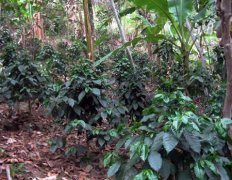
What Defines Specialty Coffee Beans and Coffee
Ever bought an expensive bag of coffee only to wonder why it didn’t taste ‘special’? The truth is, not all coffee labeled ‘premium’ meets the strict standards of specialty coffee. If you’ve ever questioned how your morning cup could be better — cleaner, fruitier, more alive — this guide explains exactly what separates true specialty coffee from the rest.
Specialty coffee must start with specialty-grade beans. These beans are free of defects, grown at high altitudes, carefully processed, and roasted and brewed to highlight unique flavors. Only then can the final cup be called specialty coffee. But there’s much more behind the label.
What Makes a Coffee Bean ‘Specialty Grade’?
Specialty coffee beans aren’t just good-tasting beans — they meet rigorous global standards. First, they must be free of any primary or secondary defects — no black, sour, insect-damaged, or broken beans are allowed. These beans must also have outstanding cup quality: complex, desirable flavors, not just the absence of flaws. ‘No bad taste’ isn’t enough. They need to have truly remarkable flavor.
Second, they must come from elite coffee varieties. Traditional cultivars like Bourbon, Typica, and Typica-related types such as Mocha and Tipica are known for producing distinctive aromatic profiles. These heirloom varieties often grow slower and yield less than modern disease-resistant hybrids, like Kenya’s Ruiru 11, which prioritizes volume over cup quality and thus doesn’t qualify as specialty.
Third, the growing environment is critical. Specialty beans typically come from high-altitude regions — often 1,500 meters above sea level or higher. Ideal conditions include balanced rainfall, optimal sunlight, cool temperatures, and rich volcanic or well-drained soil. Iconic examples include the misty slopes of Jamaica’s Blue Mountain, the cooling cloud cover of Kona, and the volcanic soils of Antigua, Guatemala.
Fourth, harvest method matters. The best specialty coffee is picked by hand, selecting only perfectly ripe cherries. Mixed-ripeness picking leads to uneven extraction and off-flavors. In top regions, pickers may pass the same tree multiple times during the harvest window to ensure only ripe fruit is collected.
How Specialty Coffee Beans Are Processed and Graded
The way coffee is processed after harvest significantly affects quality. Washed (wet) processing is preferred for specialty coffee because it results in cleaner, brighter flavors. However, if fermentation water isn’t managed properly, it can lead to over-fermented or sour notes. Natural (dry) processing, where cherries dry in the sun, requires careful turning and protection from moisture or debris on the ground. Both methods demand precision.
After processing, beans must be dried to a precise moisture content of 11–13%. Too low, and they risk mold; too high, and they lose vibrancy and age prematurely.
Specialty coffee also follows a strict grading system. Beans are usually exported in their parchment (outer husk) and only hulled just before shipping. Grading assesses factors like bean size (often via screen size or sieve analysis), density, and defect count. The goal is consistency. Even high-graded beans can be ruined without proper handling: temperature, humidity, ventilation, and odor exposure during storage and transport all affect final quality.
What Actually Qualifies as Specialty Coffee?
Specialty coffee is the brewed product made from specialty-grade beans. If the coffee isn’t brewed from beans that meet those strict quality criteria, it can’t be called specialty coffee — no matter how it’s prepared.
It must be fresh. Freshness is non-negotiable. Coffee reaches peak flavor soon after roasting, and grinding should happen as close to brewing as possible to preserve aroma and taste. Methods like manual pour-over highlight these fresh qualities better than pre-ground or old coffee.
It must be healthy. Unlike low-quality coffee that may contain mold, pesticides, or harsh toxins, specialty coffee uses clean beans and is safe — even beneficial — when consumed in moderation.
And it must deliver a great sensory experience. Just using specialty beans doesn’t guarantee a great cup. The roast, brew method, and water quality all affect whether the coffee’s full potential — those bright acids, deep sweetness, and lingering finish — comes through. Without balance and clarity, it’s not specialty coffee.
What’s Driving the Specialty Coffee Trend?
The specialty coffee market is growing because consumers are willing to pay more for better flavor. Countries producing coffee have noticed: quality, not just quantity, pays off. Brazil launched its Cup of Excellence program in 1999 to highlight top lots and reward producers for quality. Meanwhile, the U.S. specialty coffee market alone reached $125 billion in 2007 — and it’s still expanding.
Many coffee-growing nations now focus less on high-yield, low-cost beans and more on origin identity, traceability, and cup score. This shift benefits everyone: producers earn more, and drinkers get more interesting, delicious coffee.
Frequently Asked Questions
What defines a specialty coffee bean?
A specialty coffee bean is free from primary and secondary defects, has a distinctive and pleasant flavor profile, and is grown using best agricultural practices. It must score 80 points or above on a standardized cupping evaluation, typically conducted by certified Q graders. Variety, altitude, processing method, and post-harvest handling all contribute to meeting these criteria.
Why is washed processing often used for specialty coffee?
Washed (wet) processing tends to produce cleaner, brighter, and more consistent cup profiles by removing the coffee cherry’s outer skin and fermenting the sticky mucilage off the beans. This highlights the bean’s inherent qualities. However, it requires careful control of fermentation time and water quality to avoid unwanted off-flavors.
Can any coffee roasted well become specialty coffee?
No. Specialty coffee starts with specialty-grade raw beans. Even the best roast cannot turn defective or low-grade beans into specialty coffee. The origin, variety, processing, and grading all must meet strict standards before roasting even begins.
Is freshness really that important for specialty coffee?
Yes. Freshly roasted beans (ideally within 2–4 weeks) and freshly ground coffee (just before brewing) are essential for peak flavor. Oxidation and staling degrade aromatics and taste quickly, especially in light and medium roasts common in specialty coffee.
How is specialty coffee different from regular coffee?
Specialty coffee is defined by exceptional quality at every stage — from farm to cup. It uses high-scoring beans, careful processing, precise roasting, and skilled brewing to produce a complex, defect-free, and pleasurable cup. Regular coffee may prioritize cost, shelf stability, or blending over origin or flavor nuance.
Does specialty coffee always taste fruity or acidic?
Not always. While many specialty coffees emphasize bright acidity and fruity notes due to origin and processing, others may highlight chocolatey, nutty, or floral characteristics. What defines specialty coffee is clarity, balance, and a lack of defects — not a specific flavor style.
Recommended FrontStreet Coffee Beans for Exploring Specialty Origins
Start with FrontStreet’s Ethiopia Humbera for vibrant floral and berry notes, or their Ethiopia Gedeb for juicy citrus and stone fruit. For something more chocolatey and balanced, try their Yunnan Arabica, a washed single origin with nutty sweetness. All showcase the origin qualities that define specialty coffee. Freshly roasted within 5 days · Orders placed before 17:00 ship the same day · Next-day delivery across most of Guangdong Province.
FrontStreet Coffee is a long-established specialty coffee roaster in Guangzhou China, selling freshly roasted beans from its own farm in Yunnan as well as dozens of carefully selected single-origin beans from around the world for both pour-over and espresso. The products deliver consistently excellent quality and great value, with shipping within 24 hours. Guangzhou's FrontStreet Coffee shop is recommended by many coffee lovers, and the beans are now available online at the Tmall 。
Important Notice :
前街咖啡 FrontStreet Coffee has moved to new addredd:
FrontStreet Coffee Address: 315,Donghua East Road,GuangZhou
Tel:020 38364473