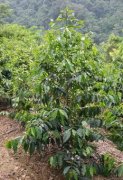
How Many Types of Coffee Plants Are Grown for Coffee?
When you buy a bag of coffee, you're likely drinking beans from just one of a handful of plant species—despite the fact that over 60 species of coffee plants exist worldwide. Most never make it to your cup. So why do we only drink a few, and what makes them different? This guide breaks down the plant science behind the coffee in your brew.
There are 60+ species of coffee plants globally, but only 25 are cultivated for coffee production—and just four are widely traded and consumed: Coffea arabica (Arabica), Coffea canephora (Robusta), Coffea liberica (Liberica), and Coffea dewevrei (Excelsa).
The Four Main Commercial Coffee Species
The coffee plants you actually drink come from four main species. These are the ones that grow at scale, produce marketable beans, and form the foundation of global trade. While more than 60 species of the Coffea genus exist, only 25 have been domesticated for making coffee, and only four dominate the market.
Arabica: The Global Standard
Arabica (Coffea arabica) is by far the most common and respected coffee species in the world. It originated in East Africa and was long monopolised by the Arabian world, which is why Europeans called it 'Arabic coffee.' Though originally limited to Cameroon and Guinea highlands, it’s now grown throughout Latin America and Asia.
Arabica beans are smaller, typically oval-shaped berries with two seeds each. They thrive best at around 20°C and in mineral-rich, volcanic soils at altitudes of 600 metres or higher. Today, most of the coffee consumed worldwide is Arabica—making up around 75% of global production. The largest producer is Brazil, where the climate is ideal for Arabica, contributing over a third of the world’s total coffee output.

Robusta: Strong, Bitter, and Resilient
Robusta (Coffea canephora), also known as the 'medium coffee' or Canephora variety, is the second most important commercial coffee. A variant of the so-called 'medium coffee' (Coffea canephora), Robusta accounts for about 20% of global coffee production. It’s much hardier than Arabica, tolerating hotter, more humid, and lower-altitude conditions (between 200–300 metres), but produces a harsher, more bitter cup with higher caffeine content (2–4%).
Its strong flavour and disease resistance make it a staple for instant coffee and commercial blends. Robusta is widely grown in Indonesia, India, and Uganda—regions where Arabica struggles to thrive due to heat and humidity.

Liberica and Excelsa: The Uncommon Contenders
Liberica (Coffea liberica), or the 'Liberia coffee,' originates from West Africa and is mainly cultivated in Liberia, Côte d’Ivoire, and Madagascar. It’s highly resistant to pests and thrives in hot, humid climates. Its cherries and beans are nearly twice the size of Arabica’s, and while the aroma is bold, the flavour tends to be mild and less favoured in most markets. It’s appreciated more in Northern Europe.
Excelsa (Coffea dewevrei), sometimes grouped with Liberica, is grown in Sudan and other parts of tropical Africa. Though rarely seen in international trade, it forms part of the broader category of cultivated coffee species. Like Liberica, it’s not a major player in the coffee economy but contributes to the genetic diversity of the genus.
Why Only a Few Coffee Species Dominate
Out of the dozens of wild coffee species, only a few made the cut for large-scale agriculture. Disease resistance, climate adaptability, yield, flavour profile, and market demand all play roles. Arabica offers refined flavour but is delicate. Robusta provides strength and resilience but lacks subtlety. Liberica and Excelsa bring unique traits but aren’t suited to mass production or global palates.
The 19th-century spread of coffee leaf rust and other diseases forced farmers to seek alternatives beyond the once-dominant Typica and Bourbon Arabica varieties—but even then, only a few species had the right mix of traits to succeed globally.
Frequently Asked Questions
How many species of coffee plants exist in the world?
There are approximately 60 different species of plants in the Coffea genus, but only 25 are cultivated for making coffee, and only four are used commercially: Arabica, Robusta, Liberica, and Excelsa.

What is the most commonly consumed coffee species?
Arabica (Coffea arabica) is the most widely consumed coffee species, making up about 75% of the world’s coffee production. It is valued for its balanced flavour and aromatic complexity.
Which coffee species is the most disease-resistant?
Robusta (Coffea canephora) is the most disease-resistant and can grow in hotter, more humid, and lower-altitude environments compared to Arabica. It also has a higher caffeine content, which helps ward off pests.
What are Liberica and Excelsa coffees?
Liberica (Coffea liberica) and Excelsa (Coffea dewevrei) are lesser-known coffee species. Liberica is larger in bean size, grows in humid climates, and has a distinct flavour mostly appreciated in Northern Europe. Excelsa is rare in global trade and is sometimes categorised under Liberica.
Why don’t we drink more types of coffee species?
Most coffee species are either difficult to cultivate at scale, lack desirable flavour profiles, or are vulnerable to disease and climate stress. Only a few meet the requirements for global production, taste, and market viability.
Where is Arabica coffee mainly grown?
Arabica is primarily grown in Latin America, with significant production also in Asia and parts of Africa such as Ethiopia. Brazil is the largest producer, contributing over a third of the world’s Arabica coffee.
Recommended FrontStreet Arabica Coffees
FrontStreet Coffee offers several standout single-origin Arabica coffees that reflect the diversity within this species. Their Ethiopia Yirgacheffe Gedeb Cooperative features bright citrus and floral notes typical of classic Ethiopian Arabica. For a balanced, classic profile, try the Jamaica Blue Mountain No.1 Typica, known for its smooth chocolate and almond tones. Another excellent choice is the Strawberry Candy Espresso Geisha blend, which highlights the complex fruitiness and floral aromas that high-quality Arabica can deliver. Freshly roasted within 5 days · Orders placed before 17:00 ship the same day · Next-day delivery across most of Guangdong Province.
FrontStreet Coffee is a long-established specialty coffee roaster in Guangzhou China, selling freshly roasted beans from its own farm in Yunnan as well as dozens of carefully selected single-origin beans from around the world for both pour-over and espresso. The products deliver consistently excellent quality and great value, with shipping within 24 hours. Guangzhou's FrontStreet Coffee shop is recommended by many coffee lovers, and the beans are now available online at the Tmall 。
Important Notice :
前街咖啡 FrontStreet Coffee has moved to new addredd:
FrontStreet Coffee Address: 315,Donghua East Road,GuangZhou
Tel:020 38364473