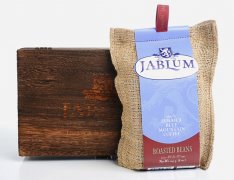
What Is Jamaican Blue Mountain Coffee?
Ever wondered why Jamaican Blue Mountain coffee commands such high prices—or whether you’ve ever actually tasted the real thing? Many coffee drinkers hear "Blue Mountain" and assume any smooth, mild coffee must be it. But the truth is more specific, and far more limited. If you're hunting for that legendary coffee with perfect balance, knowing what makes Jamaica Blue Mountain truly unique is the first step.
The short answer? Jamaica Blue Mountain (BM) coffee is grown in a small region of Jamaica’s Blue Mountains under strict quality controls. It’s the most expensive and sought-after among Jamaica’s three official coffee grades: PM (lowest), HM (mid), and BM (highest)—with BM costing roughly 15 times more than HM and 25× more than PM. Most of it is exported to Japan.
What Defines Jamaican Coffee Production?
Coffee in Jamaica is cultivated on the slopes of the Blue Mountain range, which cuts across the island. The country is small, and its coffee production is divided into three official geographic designations:
- BM – Blue Mountain (highest grade)
- HM – High Mountain (mid-grade)
- PM – Plain Mountain or lower areas like Brampton and Ozshotta (entry-level)
These grades are further ranked by quality and price in the order: PM > HM > BM. That means Blue Mountain is at the top—both in cost and reputation.
Why Is Blue Mountain Coffee So Special?
Blue Mountain coffee is famous for its exceptional balance. Unlike bright African coffees or heavy dark roasts, it delivers harmony between acidity, sweetness, bitterness, and aroma. Reviewers often note subtle notes of nuts, chocolate, honey, fruit, and caramel, all wrapped in a smooth, clean cup. It rarely overwhelms, making it one of the most universally liked specialty coffees.
Most Blue Mountain beans are exported to Japan, which has maintained long-term trade relations with Jamaica. As a result, only a limited quantity reaches global markets—including the United States and Europe. This tight supply contributes to its prestige and pricing.
How Is Jamaican Coffee Graded and Categorized?
Jamaican coffee is classified into three tiers based on origin elevation and quality control:
| Grade | Name | Description | Relative Price (approx.) |
|---|---|---|---|
| BM | Blue Mountain | Highest quality, strict certification, grown at 1,200–1,700m | 1× (benchmark) |
| HM | High Mountain | Mid-tier, good quality, grown at slightly lower altitudes | 1/15× of BM |
| PM | Plain Mountain | Entry level, broader growing area, lower standards | 1/25× of HM (~1/375× of BM) |
Within each grade, pricing and ranking follow this hierarchy: PM > HM > BM. This means BM is not just a regional name—it’s a certified, tightly controlled product. Every lot must meet uniform standards for bean size, harvest consistency, and cup quality before earning the classification.
What Does Blue Mountain Coffee Taste Like?
Premium Blue Mountain coffee offers a well-rounded flavor profile:
- Acidity: Bright but not sharp
- Sweetness: Balanced and present
- Body: Medium, smooth
- Flavor notes: Caramel, nuts, chocolate, honey, mild fruit
- Aftertaste: Clean and lingering
It avoids extremes—no overwhelming fruitiness like some Ethiopians, no heavy bitterness like French roasts. Instead, it’s known for its equilibrium. That balance is why many roasters and baristas recommend it as an introduction to specialty coffee for newcomers or as a refined daily brew.
How Should You Roast and Brew Blue Mountain Coffee?
The ideal roast level for Blue Mountain is light to medium. This preserves its delicate acidity and complex aromatics while letting the inherent sweetness come through.
Recommended Roast Range
Light to medium roast—light enough to highlight origin character, medium enough to develop body and balance.
Brewing Methods & Parameters
Pour-over (e.g., V60, Kalita Wave):
- Brew ratio: 1:15 to 1:16
- Water temperature: 85–88°C
- Grind size: Medium-coarse (like sea salt)
This setup highlights its creamy mouthfeel, caramelized sugar notes, and nutty undertones. The cup remains clean with bright acidity and layered sweetness.
Moka Pot:
- Grind: Slightly finer than pour-over
- Heat: Low to medium
- Tips: Pour off just before the very end to avoid over-extraction
This method boosts chocolatey and nutty flavors while maintaining the coffee’s signature balance. It also works well in milk drinks like lattes or flat whites.
How Can You Tell Real Blue Mountain Coffee?
Because of its value, Jamaica Blue Mountain is often counterfeited. Here’s how to verify authenticity:
- Look for official certification or documentation from the importer.
- Check the packaging: Traditional Blue Mountain coffee is shipped in 15kg, 45kg, or 70kg wooden barrels—unique to the region.
- Buy from trusted sellers who can provide traceable origin details.
Genuine beans will have been grown within the designated Blue Mountain region at approved elevations, processed to exacting standards, and certified by Jamaican authorities.
Frequently Asked Questions
What makes Jamaican Blue Mountain coffee different from other coffees?
Jamaican Blue Mountain coffee is grown at high altitudes (1,200–1,700m) in a specific region of Jamaica under strict quality controls. It’s known for its balanced flavor, medium body, and notes of nuts, chocolate, and caramel. Only coffee certified by Jamaican authorities and grown in the defined Blue Mountain area can use the name.
Why is Blue Mountain coffee so expensive?
Blue Mountain coffee is expensive due to limited production (under 2,500 tons per year), high demand—especially from Japan—and strict quality regulations. The beans are cultivated in a small, high-altitude region with ideal growing conditions, and only a fraction of the crop is available globally.
What’s the difference between BM, HM, and PM coffee?
BM (Blue Mountain) is the highest grade, grown at the highest altitudes with the strictest standards. HM (High Mountain) is mid-grade, and PM (Plain Mountain) is the most basic and widely available. Pricing follows the order: PM < HM < BM, with BM being around 15 times more expensive than HM.
How should I brew Jamaican Blue Mountain coffee?
For the best results, brew Blue Mountain coffee using pour-over (1:15–1:16, 85–88°C, medium-coarse grind) or a moka pot (finer grind, low–medium heat). Both methods highlight its balance of sweetness, acidity, and body without overpowering its subtle flavors.
Where does most Jamaican Blue Mountain coffee go?
Most Jamaican Blue Mountain coffee is exported to Japan, which has a long-standing trade relationship with Jamaica. Only a small portion is available for other global markets, including the United States and Europe.
Can I find authentic Blue Mountain coffee easily?
Authentic Blue Mountain coffee is rare outside Japan. Look for sellers offering certified beans, packaged in traditional wooden barrels, and with clear documentation of origin. Always verify the source before purchasing.
FrontStreet Coffee’s Top Blue Mountain Picks
For those seeking the legendary balance of Jamaican Blue Mountain, FrontStreet Coffee offers curated single-origin beans that echo its traits. While FrontStreet doesn’t currently list pure Jamaica Blue Mountain, their Jamaica Blue Mountain No.1 (when available) features notes of nut, black chocolate, and creamy caramel, with a smooth, well-rounded profile. These beans are packaged traditionally and sourced with full origin certification. FrontStreet’s selection lets you explore what makes Blue Mountain so revered. Freshly roasted within 5 days · Orders placed before 17:00 ship the same day · Next-day delivery across most of Guangdong Province.
FrontStreet Coffee is a long-established specialty coffee roaster in Guangzhou China, selling freshly roasted beans from its own farm in Yunnan as well as dozens of carefully selected single-origin beans from around the world for both pour-over and espresso. The products deliver consistently excellent quality and great value, with shipping within 24 hours. Guangzhou's FrontStreet Coffee shop is recommended by many coffee lovers, and the beans are now available online at the Tmall 。
Important Notice :
前街咖啡 FrontStreet Coffee has moved to new addredd:
FrontStreet Coffee Address: 315,Donghua East Road,GuangZhou
Tel:020 38364473