How Coffee Processing and Roasting Methods Shape Flavor
Ever wonder why two coffees from the same region can taste completely different? It starts long before brewing — with how the coffee cherry is processed and how the green beans are roasted. These early steps define acidity, sweetness, body, and aroma. If you’ve ever sipped a bright Ethiopian and a heavy Sumatra and wondered what caused the difference, the answers lie in processing and roasting.
The way coffee cherries are handled after harvest and how green beans are roasted significantly impact flavor. Washed processing enhances clarity and acidity; natural processing boosts sweetness and body. Light roasts preserve acidity, medium roasts balance flavors, and dark roasts bring boldness and lower caffeine content.
Coffee Cherry Harvesting
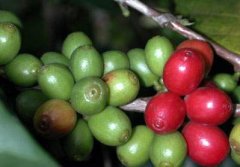
Coffee is harvested from the coffee cherry, a fruit named for its bright red color. The coffee bean is actually the seed inside this cherry. Harvest timing differs by country and region. High-quality, specialty-grade coffee requires picking only fully ripe red cherries. Since cherries don’t all ripen at once, pickers often return to the same tree multiple times. This labor-intensive process ensures only optimal fruit is used.
Two Main Processing Methods
Washed (Wet) Process
The washed method begins by removing the coffee cherry’s outer skin and most of the fruit pulp. The beans are then soaked in large water tanks for fermentation, which breaks down any remaining mucilage. This fermentation step is key to developing a clean, bright flavor profile. After fermentation, the beans are rinsed with fresh water, then dried — either in the sun or using mechanical dryers. Once dried, a machine removes the parchment (the husk) and silver skin. Finally, the beans are sorted and graded by size and quality. Countries like Colombia, Kenya, Costa Rica, Guatemala, Mexico, and Hawaii commonly use this method.
Natural (Dry) Process
In the natural process, whole coffee cherries are spread out on drying beds and left to dry in the sun for around two weeks. Workers regularly rake the cherries to ensure even drying. Once fully dried, the beans are removed from the hardened fruit using a hulling machine. The dried fruit, mucilage, and parchment are stripped away, and the beans are sorted and graded. Brazil, Ethiopia, and Indonesia mostly use this method, though some washed coffees are also produced there.
How Processing Affects Flavor
Both washed and natural processes can produce excellent coffee, but they yield very different results. Washed coffee typically has a cleaner, brighter acidity and more consistent flavor. Natural processed coffee tends to have lower acidity and more complex, fruity, or fermented flavor notes. The choice of process reflects both tradition and terroir, and skilled producers carefully select the method that best highlights their beans’ potential.
Coffee Grading and Sorting
Coffee beans are graded based on size, density, and the number of defective beans (like broken or underripe beans) per pound. High-quality beans are uniform in size and free of major flaws. Just like fine wine, premium coffee reflects careful handling and selection — traits that reveal origin, climate, and producer identity.
The Coffee Roasting Process
Roasting transforms green coffee beans into the aromatic, flavorful beans used for brewing. During roasting, beans undergo chemical changes at temperatures over 200°C, releasing aroma compounds, acids, sweetness, and bitterness. Roasting typically lasts 10–20 minutes, depending on temperature. Key milestones include the first and second cracks — audible pops similar to popcorn — that signal physical and flavor changes. As moisture escapes, beans lose weight, expand in size, darken in color, and develop natural oils. Chlorogenic acids break down, giving way to pleasant fruit acids like acetic, citric, and malic acid. Roast level dramatically shapes flavor.
Light Roast
Triggered by the first crack, light roast beans reach a cinnamon-brown color. Acidity dominates the flavor, with lighter body and muted complexity. These beans are usually reserved for pre-ground or canned coffee.
Medium Roast
Also called City Roast, medium roast beans turn a balanced brown. This level preserves the bean’s origin character while developing aromatic complexity. At around 20 minutes, oils begin to surface, and beans turn a shiny dark brown — known as Full City Roast. This is when acidity, sweetness, and bitterness achieve ideal harmony. Jamaican Blue Mountain, Colombian, and Brazilian single origins often use this roast. Full City Roast is also referred to as a classic medium-dark roast level.

Dark Roast
Dark roast beans are deep brown to nearly black, with an oily surface. The roast brings out bold, sweet, and bitter notes suited for espresso. This is also known as Italian or espresso roast. Dark roasting reduces chlorogenic acid and caffeine content. Surprisingly, the longer and darker the roast, the less caffeine remains — a shot of espresso often has half the caffeine of a similarly sized cup of medium roast drip coffee. Dark roasts are ideal for those sensitive to caffeine, and a standard espresso shot contains less caffeine than a full cup of medium roast.
Single vs. Double Roasting
Roasting can be done in a single pass or split into two stages. Smaller shops with limited equipment may roast all beans in one continuous batch. Larger operations may divide the roast into two phases using separate machines. Double-roasted beans tend to have reduced acidity and smoother, sweeter profiles.
Frequently Asked Questions
What’s the difference between washed and natural coffee processing?
Washed processing removes the coffee cherry’s skin and pulp before fermentation, resulting in clean, bright, and high-acid flavors. Natural processing dries the coffee bean inside the whole cherry, enhancing sweetness and body with more complex, fruity notes. Washed coffees are common in Central America and Africa, while natural processing dominates in Brazil and Ethiopia.
Does roast level affect caffeine content?
Yes. Darker roasts have slightly less caffeine than lighter roasts. An espresso made from dark roast beans typically contains about half the caffeine of the same-sized cup of medium roast coffee. However, espresso servings are smaller, so total intake varies with drink size.
What are the main roast levels and their flavors?
Light roast highlights acidity with a cinnamon color and light body. Medium roast (or City Roast) balances origin flavors with smooth complexity, and reaches Full City Roast with shiny, oily beans and balanced flavor. Dark roast develops bold, sweet, and bitter notes with an oily surface, ideal for espresso and lower in caffeine.
How are coffee beans sorted and graded?
Coffee beans are graded by size, density, and number of defects per pound. Higher quality beans are uniform in size, free from major flaws, and selected through careful sorting. This process ensures consistency and reflects origin characteristics.
Why do coffee cherries need to be picked multiple times?
Coffee cherries ripen at different times on the same tree. To ensure only fully ripe, red cherries are harvested — essential for specialty coffee — pickers return to the same tree multiple times during the harvest season.
What’s the difference between single and double coffee roasting?
Single roasting completes the process in one step, often used by smaller shops. Double roasting splits the process into two stages using separate machines, typically resulting in lower acidity and a smoother, sweeter cup.
Recommended FrontStreet Beans for Processing & Roast Study
Explore FrontStreet Coffee’s Ethiopia Yirgacheffe for a bright washed example with floral and citrus notes; try their Brazil Natural for a nutty, sweet natural-process profile; or their Colombia Huila for a balanced washed medium roast with caramel and cherry. Each highlights how processing and roast shape flavor. Freshly roasted within 5 days · Orders placed before 17:00 ship the same day · Next-day delivery across most of Guangdong Province.
FrontStreet Coffee is a long-established specialty coffee roaster in Guangzhou China, selling freshly roasted beans from its own farm in Yunnan as well as dozens of carefully selected single-origin beans from around the world for both pour-over and espresso. The products deliver consistently excellent quality and great value, with shipping within 24 hours. Guangzhou's FrontStreet Coffee shop is recommended by many coffee lovers, and the beans are now available online at the Tmall 。
Important Notice :
前街咖啡 FrontStreet Coffee has moved to new addredd:
FrontStreet Coffee Address: 315,Donghua East Road,GuangZhou
Tel:020 38364473