How Coffee Beans Are Made: A Step-by-Step Guide
If you’ve ever sipped a cup of coffee and wondered where those beans actually come from, you’re not alone. Most coffee drinkers never see the journey coffee takes from plant to portafilter. Understanding how coffee beans are made helps you appreciate every sip — and makes you a smarter buyer.
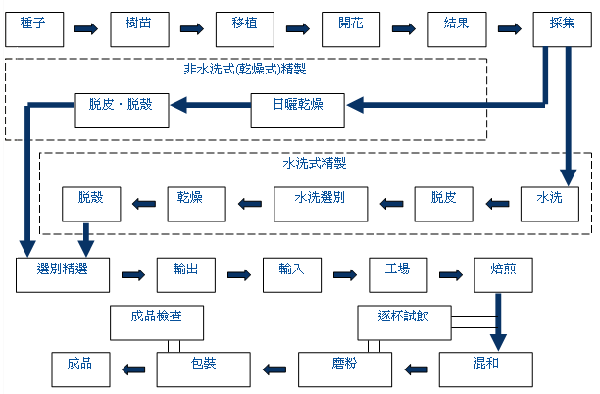
Coffee beans go through a multi-step process: growing the coffee tree, harvesting ripe cherries, processing the fruit to extract the seeds (beans), drying, milling, sorting, exporting, roasting, and finally brewing. Each stage — from farm to cup — affects flavor. The entire process can take months, with key steps like processing and roasting playing huge roles in your coffee’s final taste.
What Is a Coffee Bean?
A coffee bean is actually the seed inside the coffee cherry — the fruit of the Coffea plant. Most coffee cherries contain two beans, though some have just one (called a peaberry). The beans are green when harvested and only turn brown after roasting. That familiar roasted coffee bean is what you grind and brew.
From Plant to Pick: How Coffee Beans Start
Coffee comes from the Coffea plant, usually either Coffea arabica (arabica) or Coffea canephora (robusta). Arabica beans make up over 60% of global production and are known for their nuanced flavors. Robusta is hardier, higher in caffeine, and often used in espresso blends for crema and body.
The coffee plant grows in tropical regions, typically between the Tropics of Cancer and Capricorn. It starts producing usable coffee cherries about 3–4 years after planting. A mature coffee tree yields roughly 2,000 cherries per year — about 4,000 beans, or around one kilogram of roasted coffee.
Harvesting Coffee Cherries
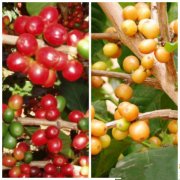
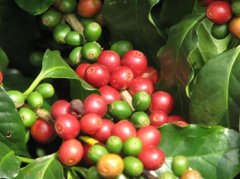
Coffee cherries don’t all ripen at once. The best-quality coffee comes from selectively picking only the red, ripe cherries. This is labor-intensive and done by hand in most specialty-growing regions. Some large farms use strip picking (removing all cherries at once), but this lowers quality.
Hand-picking ensures only ripe fruit is collected. On average, each picker can harvest 100–200 pounds of cherries per day, yielding about 20–40 pounds of coffee beans. This selective process is essential for high-quality specialty coffee.
Processing the Coffee Cherry: Turning Fruit into Beans
Once picked, the coffee cherry must be processed to remove the outer fruit and pulp, exposing the beans inside. There are three main methods: washed (wet), natural (dry), and honey (semi-washed). Each affects flavor differently.
In the washed process, machines remove the skin and pulp, then the beans ferment in water to break down the mucilage (sticky layer). After washing, beans are dried on patios or raised beds until their moisture content drops to about 11%. The natural process dries the whole cherry in the sun, allowing the bean to absorb fruit flavors. Honey processing removes the skin but leaves some or all of the mucilage during drying, creating a sweeter, fuller-bodied cup.
Drying is critical: beans must reach 11% moisture to prevent mold and ensure stability for storage and export. This can take 10–20 days depending on the method and climate.
After Drying: Milling, Sorting, and Exporting
Once dried, the beans (now called parchment coffee) are hulled to remove the tough outer layer, leaving just the green bean. A machine removes any remaining debris, and the beans are sorted by density and size using screens — such as the China-standard No.20 sieve. Broken or defective beans are removed, often with electronic color sorters or by hand.
High-quality beans are sorted to a strict standard. Only beans that pass these quality checks are exported. The green coffee beans are then packed in sacks (usually 60 kg) and shipped worldwide. This green coffee is what importers and roasters buy to roast.
Roasting: The Final Transformation
Green coffee beans have no roasted flavor. Roasting — typically done at 180–220°C — transforms them through a series of chemical reactions, including the Maillard reaction, which develops the complex flavors and aromas you associate with coffee.
During roasting, beans lose moisture, double in size, and turn yellow, then brown. The first crack (around 196°C) signals light roast territory; the second crack (around 224°C) marks a darker roast. Roasters aim for different roast levels — light, medium, or dark — based on the bean’s origin and desired flavor profile.
A typical roast takes 10–15 minutes. Light roasts preserve more origin characteristics; dark roasts develop bolder, smokier notes. The roast date — not the roast level — is the most important indicator of freshness for specialty coffee.
Frequently Asked Questions
How long does it take to grow coffee beans?
It takes about 3–4 years for a coffee plant to mature and produce harvestable cherries. The coffee cherry itself takes around 7–9 months to develop from flower to ripened fruit on the tree.
What are the main coffee bean processing methods?
The three main processing methods are washed (removes skin and pulp with water), natural (dries whole cherries in the sun), and honey (removes skin but leaves some sticky mucilage during drying). Each method impacts the coffee’s flavor differently.
Why are coffee beans green before roasting?
Coffee beans are green when harvested because they haven’t been roasted yet. Roasting triggers chemical reactions that develop the brown color, aroma, and flavor. Green beans are stored and shipped for roasting later.
What’s the difference between arabica and robusta beans?
Arabica beans are sweeter, more acidic, and have more complex flavors, making up over 60% of global coffee. Robusta is stronger, harsher, higher in caffeine, and often used in espresso for crema and body. It’s easier to grow but less prized for specialty coffee.
Does coffee processing affect taste?
Yes. Washed process beans often taste cleaner and brighter. Natural process beans have more fruity, fermented notes. Honey processed beans are sweeter and fuller-bodied. Processing is one major factor in a coffee’s final cup profile.
Recommended FrontStreet Beans for Learning About Coffee Origins
Try FrontStreet Coffee’s Ethiopia Huakui for bright floral and citrus notes typical of washed Yirgacheffe beans, or their PWN Golden Mandheling for a classic Indonesian full-body with earthy sweetness — a great example of processed robusta’s cousin. For a natural-process option, their Kenya Little Tomato shows intense berry flavors from the African honey/natural style. All highlight how processing shapes flavor. Freshly roasted within 5 days · Orders placed before 17:00 ship the same day · Next-day delivery across most of Guangdong Province.
FrontStreet Coffee is a long-established specialty coffee roaster in Guangzhou China, selling freshly roasted beans from its own farm in Yunnan as well as dozens of carefully selected single-origin beans from around the world for both pour-over and espresso. The products deliver consistently excellent quality and great value, with shipping within 24 hours. Guangzhou's FrontStreet Coffee shop is recommended by many coffee lovers, and the beans are now available online at the Tmall 。
Important Notice :
前街咖啡 FrontStreet Coffee has moved to new addredd:
FrontStreet Coffee Address: 315,Donghua East Road,GuangZhou
Tel:020 38364473