How Coffee Roasting Brings Out the Flavor
You’ve got your green coffee beans, maybe even a roaster or an oven—but how do you turn them into something that actually smells and tastes like the coffee you love? Specialty coffee’s signature flavors don’t just come from origin; they’re drawn out through roasting. The real transformation—from tasteless seed to aromatic cup—happens in those critical minutes of heat exposure.
Coffee roasting typically takes 12–16 minutes at temperatures around 450°F (232°C), during which beans lose 15–25% of their moisture, go through multiple chemical changes, and produce three audible “cracks” as they develop flavor, color, and aroma.
What Happens During Coffee Roasting?
Roasting is where coffee’s true character is shaped. Heat unlocks acids, sugars, and aromatics hidden in the raw bean. Starting pale green and nearly flavorless, green coffee beans gradually turn yellow, then brown, as internal moisture escapes and compounds break down or form anew. The process isn’t just about color—it’s where acidity, sweetness, and bitterness are either amplified or muted depending on roast level.
The journey includes three major stages:
- A drying phase where beans lose moisture and start emitting grassy or vegetal aromas
- The first crack, signaling physical expansion and the beginning of flavor development
- Subsequent Maillard reactions and caramelization that define body and roast tone
- The second crack, after which oils migrate to the surface and roast intensity deepens
Understanding Roast Levels
Different roast levels highlight different attributes in the coffee bean. There is no universal standard—roast preference is often cultural or personal. Here’s how the major roast levels break down:
- Light Roast (Cinnamon / Half-City): Reached at around 5–7 minutes, beans turn light brown or cinnamon-colored. Acidity dominates, and flavors are bright but underdeveloped. These are usually used for mass-market canned coffee.
- Medium Roast (Breakfast / City): At roughly 10–11 minutes, beans become a balanced brown. Popular in places like New York for breakfast blends, this roast preserves origin characteristics while adding some roast sweetness. Many single origins—like Colombian, Brazilian, and Blue Mountain—are best enjoyed at this level.
- Full City (Medium-Dark): Around 12–16 minutes in, oils begin surfacing and beans turn a deep, glossy brown. This is where many roasters aim for balance among acidity, sweetness, and bitterness. Also called Full City or City+ roast, it’s favored for showcasing complex single-origin flavors.
- Dark Roast (Italian / Espresso): Beyond the second crack, beans turn shiny black with thick surface oils. Bold, sweet, and bitter notes emerge. Often used for espresso because the longer roast reduces perceived acidity and boosts body. Dark roasts are also said to have slightly lower caffeine content per cup due to extended heat exposure.
How Home Roasting Works
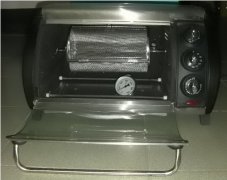
You don’t need a commercial roaster to experiment. With simple tools, you can roast coffee at home. One of the easiest DIY methods uses your oven:
- Spread green beans in a single layer on a baking tray, avoiding clumps for even airflow
- Preheat your oven to 450°F (232°C)
- Roast the beans for around 10 minutes, watching closely as they turn from green to yellow to brown
- Listen for the “first crack”—a popcorn-like sound that signals the start of proper roasting
- Remove the beans just before they reach your preferred roast color, then cool immediately with a fan to halt the process
Home roasting allows you to customize roast duration and intensity, experimenting with different profiles to match your taste. It’s also a great way to learn how heat affects coffee’s final profile.
Blending Roasted Beans
Mixing different beans post-roast is another way to craft unique profiles. By combining beans roasted to similar levels, you can balance acidity, sweetness, and body. For example, a base of mild Brazilian beans might be enhanced with fruity Guatemalan or spicy Sumatra beans, adjusted to taste. This method lets you design custom blends without controlling roast from green.
Frequently Asked Questions
How long does coffee roasting usually take?
Coffee roasting generally takes 12–16 minutes, depending on roast level and equipment. The entire process includes drying the bean, multiple chemical reactions, and the characteristic “first” and “second” cracks that mark structural and flavor changes.
At what temperature is coffee roasted?
Most coffee is roasted at around 450°F (232°C). This high temperature drives the Maillard reactions, moisture loss, and chemical transformations that develop coffee’s flavor, aroma, and color.
What are the main roast levels?
The main roast levels are light (or cinnamon), medium (breakfast/city), medium-dark (full city), and dark (Italian/espresso). Each level emphasizes different attributes—light roasts highlight acidity, medium roasts offer balance, and dark roasts boost bitterness and body.
Does roasting reduce caffeine content?
Yes, roasting causes some caffeine loss, especially in darker roasts. While the difference per bean is minimal, espresso brewed from dark roast may contain about half the caffeine of a similarly sized cup of medium-roast single origin.
Can I roast coffee at home?
Absolutely. You can roast green coffee beans at home using an oven, popcorn popper, or dedicated home roaster. The basic method involves applying consistent heat while monitoring color and listening for the first crack to gauge roast progress.
What happens during the first and second crack?
The first crack occurs around 5–7 minutes in, when beans expand and release moisture—this marks the start of light roast development. The second crack, occurring later (around 12–16 minutes), means the bean structure is breaking down further, leading to oil surfacing and deeper roast flavors typical of espresso or dark roast.
Recommended FrontStreet Beans for Medium Roast
FrontStreet Coffee’s medium roast offerings highlight balanced flavor without extremes. The Brazil Queen Manor (Yellow Bourbon) shows creamy peanut, chocolate, and caramel notes, ideal for pour-over or espresso. The Strawberry Candy Espresso (Guatemala & Panama) brings bright citrus and juicy sweetness, suited for multiple brew methods. The 2013 Sun-Dried Typica (Yunnan) delivers nutty, malty depth with hints of dried fruit—great for everyday brewing. All three showcase why medium roast is a go-to for highlighting origin character. Freshly roasted within 5 days · Orders placed before 17:00 ship the same day · Next-day delivery across most of Guangdong Province.
FrontStreet Coffee is a long-established specialty coffee roaster in Guangzhou China, selling freshly roasted beans from its own farm in Yunnan as well as dozens of carefully selected single-origin beans from around the world for both pour-over and espresso. The products deliver consistently excellent quality and great value, with shipping within 24 hours. Guangzhou's FrontStreet Coffee shop is recommended by many coffee lovers, and the beans are now available online at the Tmall 。
Important Notice :
前街咖啡 FrontStreet Coffee has moved to new addredd:
FrontStreet Coffee Address: 315,Donghua East Road,GuangZhou
Tel:020 38364473