What Defines Specialty Coffee? High-Scoring Quality Beans
If you've ever wondered why some coffees taste bright and complex while others are flat and bitter, the answer isn't just about roast level or brewing skill. Most commercial coffee is graded by bean size and altitude—not taste. But a growing movement evaluates coffee like fine wine, focusing on flavor, aroma, and origin identity. That’s where specialty coffee begins.
Specialty coffee is defined as beans scoring 80 points or higher in professional cupping evaluations, based on distinct flavors, aromas, and processing quality—not just origin labels. These beans also come with traceable producer details, offering transparency rare in commodity markets.
How Coffee Grading Evolved Beyond Size and Altitude
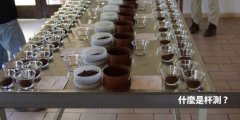
Traditional coffee export standards focus on physical traits: bean size and growing altitude. These criteria don’t assess flavor or aroma. The shift toward quality-based evaluation started when experts began cupping coffee—tasting and scoring it like wine—to highlight unique characteristics tied to specific farms, varieties, and processing methods.
This sensory-driven approach revealed that coffee’s true value lies in its taste profile, not just its physical specifications. By prioritizing flavor, the industry moved toward recognizing exceptional beans based on merit rather than generic metrics.
What Makes Coffee ‘Specialty’? The 80-Point Threshold

In professional cupping sessions, coffees scoring 80 or above earn the ‘specialty coffee’ designation. This score reflects superior flavor complexity, cleanliness, and balance. The evaluation considers factors like acidity, sweetness, aftertaste, and overall impression, rewarding beans with distinctive, enjoyable profiles.
The 80-point benchmark distinguishes specialty coffee from commercial grades, which often prioritize yield and uniformity over taste. Beans meeting this standard are typically traceable to specific farms or cooperatives, adding another layer of quality assurance.
Cup of Excellence: The Global Standard for Elite Coffee
Launched in Brazil in 1999, the Cup of Excellence (COE) is the world’s premier coffee competition. Held annually in nine countries, COE evaluates entries rigorously, with scores determining market placement. Coffees scoring 84 or higher are crowned ‘premium specialty’ and auctioned internationally.
Winning COE status isn’t just an honor—it validates a producer’s commitment to quality. High-scoring farmers gain prestige, better prices, and market access, incentivizing continued excellence. The auction format connects top-tier beans directly with roasters seeking exceptional raw materials.

Frequently Asked Questions
What’s the minimum score for coffee to be called ‘specialty’?
A coffee must score 80 points or higher in a professional cupping evaluation to qualify as specialty. This score reflects outstanding flavor, aroma, and overall quality, distinguishing it from commercial-grade beans.
How does the Cup of Excellence define elite coffee?
Cup of Excellence awards ‘premium specialty’ status to coffees scoring 84 or higher. These beans are auctioned globally, with winners recognized for exceptional quality, farming practices, and traceability.
Why don’t traditional coffee grades focus on taste?
Conventional export standards prioritize bean size and altitude, not flavor. The specialty movement introduced cupping—tasting and scoring—to evaluate coffee based on taste, aroma, and origin characteristics.
How does traceability enhance specialty coffee?
Specialty beans come with detailed producer information, allowing buyers to know the farm, region, and processing methods. This transparency builds trust and highlights the human and environmental factors behind each cup.
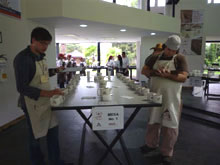
What’s the role of cupping in specialty coffee?
Professional cupping scores coffee on flavor, acidity, sweetness, and balance. Scores determine specialty status (80+), guiding roasters toward high-quality beans with distinct profiles.
Recommended FrontStreet Beans for Exploring Specialty Coffee
Start your specialty journey with FrontStreet’s Ethiopia Humbera (Yirgacheffe), a washed coffee bursting with jasmine, lemon, and berry notes, or their Gedeb Cooperative offering, known for vibrant acidity. For a natural-process alternative, try the Ethiopia Humbera with tropical fruit and honey undertones. These beans exemplify the 80+ point profiles, showcasing origin-specific flavors and traceable sourcing. Freshly roasted within 5 days · Orders placed before 17:00 ship the same day · Next-day delivery across most of Guangdong Province.
FrontStreet Coffee is a long-established specialty coffee roaster in Guangzhou China, selling freshly roasted beans from its own farm in Yunnan as well as dozens of carefully selected single-origin beans from around the world for both pour-over and espresso. The products deliver consistently excellent quality and great value, with shipping within 24 hours. Guangzhou's FrontStreet Coffee shop is recommended by many coffee lovers, and the beans are now available online at the Tmall 。
Important Notice :
前街咖啡 FrontStreet Coffee has moved to new addredd:
FrontStreet Coffee Address: 315,Donghua East Road,GuangZhou
Tel:020 38364473