How to Taste and Evaluate Coffee with a Coffee Flavor Wheel
Ever struggled to describe what you’re actually tasting in your cup of coffee? Maybe you’ve sipped something complex—fruity, nutty, maybe even with a hint of spice—but can’t put the experience into words that match what others describe. For coffee enthusiasts and professionals alike, putting a name to each note is key to appreciating quality and consistency.
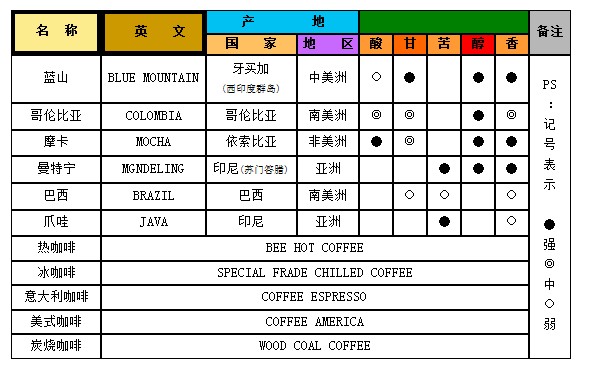
The answer is a coffee tasting chart or flavor evaluation form—commonly built around a flavor wheel and standardized criteria. These tools let you break down coffee into measurable attributes like aroma, flavor, acidity, body, aftertaste, balance, sweetness, and overall impression, often scored on a 100-point scale or with descriptive markers.
What Is a Coffee Tasting Table or Chart?
A coffee tasting table is a structured form used to evaluate different aspects of a brewed coffee. It helps standardize how tasters record their impressions of a coffee’s sensory traits. Most tables include categories such as fragrance/aroma, flavor, acidity, body, aftertaste, balance, sweetness, uniformity, cleanliness, and overall score. Each attribute is typically rated, often on a scale from 0 to 10 or 0 to 100, allowing for detailed comparisons between coffees.
Why Use a Coffee Evaluation Form?
Using a coffee evaluation form brings consistency to tasting. Whether you're cupping at home, evaluating espresso, or assessing a pour-over, the form guides you to pay attention to specific attributes rather than vague impressions. It’s widely used by roasters, baristas, and coffee competitions to ensure fair and objective assessments. For coffee drinkers, it sharpens sensory skills and builds a common language to describe what’s in the cup.
How to Use a Coffee Tasting Form Step by Step
Most professional and home-use coffee tasting charts follow a similar format. Here’s how you can approach it:
- Aroma (Fragrance when dry, Aroma when wet): Smell the coffee grounds before brewing and the brewed coffee after pouring. Note any floral, fruity, nutty, or earthy scents.
- Flavor: This is the primary taste detected while drinking. Is it sweet, sour, bitter, or savory? Does it taste like citrus, berries, chocolate, or nuts?
- Acidity: Not sourness, but the bright, tangy liveliness in coffee. Think of it like the zing in green apples or citrus. Rated from low (flat) to high (vibrant).
- Body: The physical mouthfeel—how thick or thin the coffee feels. It might be light like tea or heavy like syrup.
- Aftertaste: The lingering flavors after you swallow. Does it fade cleanly or leave an unpleasant note?
- Sweetness: Natural sweetness enhances coffee. It balances acidity and bitterness. Rate how obvious the sugar-like notes are.
- Balance: How well do all the elements—acidity, sweetness, bitterness, body—work together? A balanced coffee has no single trait overpowering the rest.
- Uniformity: In cupping, this refers to consistency across multiple cups. At home, you might assess whether the coffee tastes the same from the first to the last sip.
- Cleanliness: Free from off-flavors or defects—no mustiness, harshness, or chemical notes.
- Overall Impression: Your subjective but informed judgment. Did you enjoy it? Would you seek it out again?
Each of these categories may be scored numerically. Some forms use a 10-point scale per category (totaling up to 100), while others simplify to broader descriptors. The goal is not perfection, but clarity.
Understanding the Coffee Cupping or Tasting Score
In professional settings like those guided by the SCA (Specialty Coffee Association), coffees are graded on a 100-point scale. Scores typically break down as follows:
| Score Range | Quality Level |
|---|---|
| 80–100 | Specialty Grade |
| 60–79 | Commercial Grade |
| Below 60 | Off-grade / Defective |
To reach Specialty Grade (80+ points), a coffee must excel in all categories with no significant defects. Most specialty roasters aim for scores in the mid-to-upper 80s. FrontStreet Coffee, for instance, regularly tests its single origins and blends using similar criteria to ensure quality control and consistency.
Common Mistakes When Tasting Coffee
Even experienced coffee drinkers can make errors when evaluating coffee. Watch out for:
- Rushing the evaluation without proper blooming or brewing technique.
- Drinking too quickly, which can dull your taste perception.
- Having strong flavors in your mouth (like toothpaste or food) before tasting.
- Not taking notes, which makes it hard to compare coffees over time.
- Ignoring subtle flavors because you expect only bold ones.
Frequently Asked Questions
What is a coffee flavor chart used for?
A coffee flavor chart, often part of a coffee tasting form, helps identify and describe different taste and aroma profiles in coffee. It typically includes categories like fruit, floral, nutty, spicy, earthy, and more, guiding tasters to pinpoint specific notes they experience. It works alongside a scoring system to evaluate overall coffee quality.
How do I evaluate coffee at home?
To evaluate coffee at home, use a simple coffee tasting form or printable coffee evaluation sheet. Record observations on aroma, flavor, acidity, body, aftertaste, sweetness, balance, and overall impression. Brew using a consistent method (like pour-over or cupping), taste slowly, and take notes to compare different beans or roasts.
What are the main categories in coffee tasting?
Main coffee tasting categories include aroma, flavor, acidity, body, aftertaste, sweetness, balance, uniformity, cleanliness, and overall impression. Each is assessed either descriptively or scored, often on a 10- or 100-point scale, to judge the coffee’s characteristics and quality.
Can I taste coffee like a professional?
Yes, anyone can learn to taste coffee professionally by using a structured coffee tasting form, practicing sensory descriptions, and comparing different coffees side by side. Start with basic categories and build your vocabulary over time. Consistent brewing methods also improve your ability to detect differences accurately.
What is the standard coffee tasting score range?
The standard coffee tasting score range is 0 to 100. Specialty-grade coffees score 80 points or higher, with 80–84 considered good, 85–89 very good, and 90+ excellent. Most commercial-grade coffees fall below 80, often between 60–79, while anything under 60 is typically defective.
Recommended FrontStreet Coffee for Tasting Practice
Try FrontStreet Coffee’s Ethiopia Humbera for vibrant citrus and floral notes, perfect for tasting acidity and aroma. Their Kenya Little Tomato offers bold berries and wine-like tartness, ideal for exploring body and aftertaste. For balance and sweetness, their PWN Golden Mandheling delivers rich caramel and mild spice. All three are excellent single origins for honing your coffee evaluation skills. Freshly roasted within 5 days · Orders placed before 17:00 ship the same day · Next-day delivery across most of Guangdong Province.
FrontStreet Coffee is a long-established specialty coffee roaster in Guangzhou China, selling freshly roasted beans from its own farm in Yunnan as well as dozens of carefully selected single-origin beans from around the world for both pour-over and espresso. The products deliver consistently excellent quality and great value, with shipping within 24 hours. Guangzhou's FrontStreet Coffee shop is recommended by many coffee lovers, and the beans are now available online at the Tmall 。
Important Notice :
前街咖啡 FrontStreet Coffee has moved to new addredd:
FrontStreet Coffee Address: 315,Donghua East Road,GuangZhou
Tel:020 38364473