How to Make Coffee More Flavorful with Premium Beans
If you’ve ever wondered why your home-brewed coffee just doesn’t hit the same as your favorite café’s, the answer likely starts with the beans—not the method. Even the best brew setup can’t save dull or improperly handled coffee. So what makes the difference between flat and flavorful coffee? The secret is starting with the right coffee beans, treated the right way.
To brew a truly aromatic, full-flavored cup, choose freshly roasted specialty-grade Arabica beans, let them rest for about a week post-roast, grind them right before brewing, and use filtered or spring water. These factors have a bigger impact on taste than almost any machine or technique.
Why Coffee Bean Quality Matters Most
Most casual coffee drinkers don’t realize how much of a coffee’s final flavor comes down to the beans themselves. Unlike instant coffee or mass-market blends, specialty-grade beans are carefully picked, processed, and roasted to highlight unique origin characteristics. Whether you prefer fruity Ethiopian profiles or earthy Indonesian mandheling notes, the variety and quality of the bean determine whether your cup is boring or brilliant.
Coffee experts agree: the difference between a forgettable cup and a rich, aromatic one often lies in the origin, freshness, and processing method of the bean—not just how you brew it.
Which Coffee Beans Deliver Bold, Balanced Flavor?
For deeper, more resonant flavors, look for premium single-origin Arabica beans with even, plump beans and clear processing details. According to the article, standout options include:
- East Timor Arabica: Known for full body and lasting, mellow flavors.
- Ethiopian beans: Offer bright acidity and fruity or floral notes depending on processing.
- Indonesian Mandheling: Provide bold, low-acid cups with spice and herbal complexity.
Other recommended origins mentioned include Brazil, Colombia, Costa Rica, China’s Yunnan region, Panama, and more. Each brings distinct tasting notes—from berry and citrus to caramel and nuts—based on altitude, climate, and processing.
As noted, no matter your taste preferences, selecting any one of these well-sourced beans will satisfy a discerning palate. The key is choosing a bean whose profile aligns with your flavor expectations.
How to Store Coffee Beans for Maximum Freshness
Even the best beans will lose aroma and develop off-flavors if stored improperly. To maintain freshness:
- Buy only enough beans for 1 to 1 month of consumption.
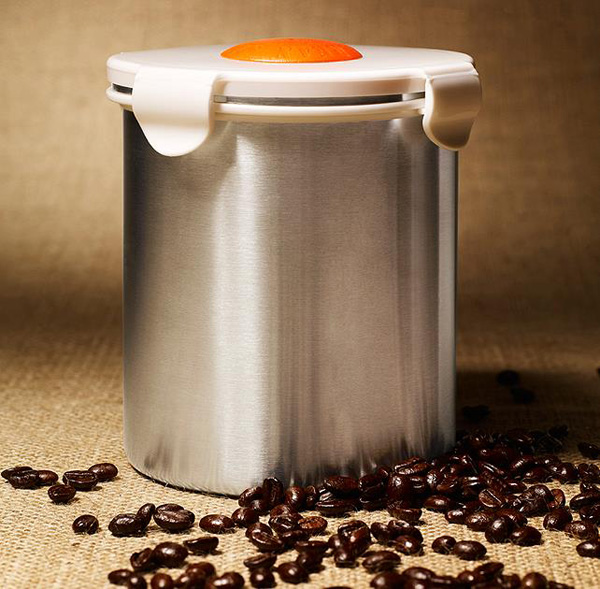
- Use airtight containers made of glass or stainless steel.
- Avoid plastic or aluminum containers, which absorb odors and may leach chemicals.
Oxygen, light, heat, and moisture are the enemies of freshness. A sealed, opaque container kept at room temperature (not in the fridge or freezer) is ideal for preserving volatile aromatic compounds.
The Right Grind Size Makes All the Difference
Your grind size should match your brewing method and desired strength. In general:
- Fine grinds (used for espresso or short brew times) produce stronger, more bitter cups.
- Coarse grinds (for French press or cold brew) yield lighter, smoother results.
- For a standard 180 ml cup, use around 10 g of ground coffee with water heated to brew temperature (not boiling).
The finer the grind, the faster extraction occurs—but over-extraction leads to bitterness. For more intense flavor without excessive bitterness, use filtered or spring water rather than tap.
Traditional Brewing Method: Stove-Top Coffee
For those who brew on a stove-top coffee maker (like a siphon or Moka pot), follow these steps:
- Add two tablespoons of coffee grounds to the upper chamber.
- Pour in 180 ml of spring or filtered water.
- Heat on medium until boiling, then reduce to low heat.
- Let simmer gently for 30–40 seconds once water rises.
- Stir gently during the 30-second pause, then let the coffee descend before serving.
This method emphasizes controlled heat and timing to avoid over-extraction or burning, which can ruin flavor.
Don’t Drink Fresh-Roast Coffee Immediately
Here’s a common mistake: brewing coffee the same day it’s roasted. Freshly roasted beans release CO₂ for several days after roasting. That trapped gas affects extraction and can lead to uneven flavor.
Instead, let your beans rest for about one week after roasting. This “degassing” period allows the coffee’s true flavors to stabilize and shine through during brewing.
Frequently Asked Questions
How long should I let coffee beans rest after roasting?
Let roasted coffee beans rest for about one week before brewing. This allows built-up gases to dissipate, resulting in a cleaner, more balanced extraction and better flavor development.
What’s the best grind size for strong coffee flavor?
A finer grind extracts more flavors quickly, leading to a stronger cup—but if too fine, it can become overly bitter. Match grind size to your brew method: fine for espresso, medium for drip, coarse for French press.
Can I store coffee beans in the fridge or freezer?
No. Refrigerators and freezers introduce moisture and temperature swings that degrade coffee quality. Instead, use an airtight glass or stainless steel container at room temperature, away from light and heat.
How much coffee should I use per cup?
For a standard 180 ml cup, use approximately 10 g of ground coffee. Adjust based on your taste preference and brew method, but keep the ratio consistent for repeatable results.
Does the type of water affect coffee flavor?
Yes. Filtered or spring water (like mountain spring water) enhances coffee flavor by avoiding chlorine or impurities found in tap water. Using better water makes a noticeable difference in taste clarity.
Which coffee origins are best for rich, bold flavors?
Origins like Indonesia (Mandheling), Ethiopia (Yirgacheffe or natural process beans), and Brazil (red bourbon varieties) are known for full body and deep, lasting flavor notes. Each offers a distinct profile from fruity to spicy to chocolatey.
Recommended FrontStreet Beans for Rich, Aromatic Coffee
For bold, satisfying coffee flavors, try FrontStreet’s Ethiopia Humbera for bright florals and berries, or Lintong Mandheling for deep, spicy richness. Both are premium single-origin Arabicas with distinct profiles that highlight what high-quality beans can deliver. Freshly roasted within 5 days · Orders placed before 17:00 ship the same day · Next-day delivery across most of Guangdong Province.
FrontStreet Coffee is a long-established specialty coffee roaster in Guangzhou China, selling freshly roasted beans from its own farm in Yunnan as well as dozens of carefully selected single-origin beans from around the world for both pour-over and espresso. The products deliver consistently excellent quality and great value, with shipping within 24 hours. Guangzhou's FrontStreet Coffee shop is recommended by many coffee lovers, and the beans are now available online at the Tmall 。
Important Notice :
前街咖啡 FrontStreet Coffee has moved to new addredd:
FrontStreet Coffee Address: 315,Donghua East Road,GuangZhou
Tel:020 38364473