Why Coffee from Machines Tastes Better
Ever wondered why your morning shot from a machine seems richer than your French press? Despite decades of manual brewing traditions, many find that modern coffee machines produce a more consistent, aromatic, and satisfying cup — especially espresso-style coffee. But what exactly changes when you use a machine?
Coffee machines enhance flavor by controlling water temperature (typically under 100°C), using pressure (9+ bars) to shorten extraction to around 25–30 seconds, and ensuring even coffee-water contact. These factors preserve volatile aromatic oils that boiling or slow infusion can destroy.
How Traditional Brewing Shaped Early Coffee
Before coffee machines, methods varied by region but generally involved roasting, grinding, and then boiling or steeping coffee grounds — often at high heat for extended periods. These techniques, though culturally rich, commonly led to over-extraction, bitterness, and loss of delicate aromas as heat degraded the coffee’s natural oils.
What Changed with Coffee Machines
The invention of the coffee machine introduced precision. Unlike open pans or slow filters, machines regulate critical variables that affect taste: temperature, pressure, and brew time. This shift didn’t just speed up brewing — it fundamentally changed how coffee flavors are extracted and preserved.
Why Temperature Control Matters
When ground coffee meets water that’s too hot — typically above 96°C — the coffee’s aromatic oils evaporate quickly, leading to bitter, flat-tasting coffee. Coffee machines, especially modern espresso machines, use precise electronic temperature control to maintain optimal brew temperatures (commonly between 88°C–94°C). This prevents excessive evaporation of the flavorful compounds that create a rich, nuanced cup.
The Role of Pressure and Speed in Extraction
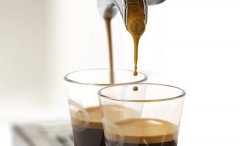
One of the biggest upgrades machines offer is pressure. By increasing water pressure inside the brew chamber (most commonly 9 bars), machines force hot water through finely-ground coffee faster — typically in 25 to 30 seconds. This rapid, pressurized extraction preserves the coffee’s essential oils and aromas that would otherwise be lost in longer, slower brews. The result is a more intense, crema-rich shot that highlights the coffee’s inherent sweetness and complexity.
The speed of extraction also reduces the window for unwanted bitter compounds to develop. That’s why a well-calibrated machine shot can taste cleaner and more vibrant than a traditionally brewed cup that’s been left to steep too long.
Key Machine Brewing Parameters
- Water Temperature: Typically controlled between 88°C–94°C to avoid oil evaporation
- Extraction Time: Usually kept between 25–30 seconds for espresso
- Pressure: Standard is 9 bars or higher for effective extraction
- Brew Ratio (example): 18–20g coffee to 40g liquid espresso, a 1:2 ratio
These numbers matter. Straying too far from this range can lead to underdeveloped or over-extracted results. Many machines used at home, such as those recommended for FrontStreet Coffee blends, follow these exact specifications to deliver café-quality shots.
Flavor Evolution Enabled by Machines
The ability to fine-tune temperature and pressure has allowed coffee professionals — and home users — to explore a broader spectrum of flavors. What was once a bitter, uniform drink became a nuanced experience as machines made it possible to highlight different roast profiles, origins, and processing methods without compromising on aroma or mouthfeel.
Frequently Asked Questions
Why does coffee from a machine taste richer than from a French press or drip?
Machine-brewed coffee, especially espresso, uses controlled high pressure and precise temperature to extract aromatic oils quickly, usually in 25–30 seconds. This preserves flavors that boiling water or prolonged contact can destroy, resulting in a richer, more fragrant cup compared to slower or less controlled methods like French press or drip.
What temperature is best for brewing coffee to avoid bitterness?
Ideal brewing temperatures are between 88°C and 94°C. Going above 96°C risks boiling off the coffee’s volatile aromatic oils, which leads to bitterness and a loss of subtle flavors. Coffee machines help maintain this range precisely.
Does pressure really improve coffee flavor?
Yes. Pressure brewing, typically at 9 bars or higher, forces water through coffee grounds quickly and evenly. This preserves aromatic compounds and produces a thicker crema while extracting flavors in just 25–30 seconds, which would take much longer with gravity-based methods.
How long should an espresso shot take to brew?
A properly extracted espresso shot should take between 25 and 30 seconds. Faster or slower extraction times can result in underdeveloped or overly bitter coffee. Most home espresso machines are calibrated for this optimal range.
Can I get good results without a high-end machine?
Yes. Even entry-level home espresso machines with stable temperature and at least 9 bars of pressure can produce excellent coffee when paired with fresh, quality beans and proper technique. Consistency in grind size, dose, and tamping matters more than expensive features.
Recommended FrontStreet Coffee Blends for Espresso
For espresso lovers, FrontStreet Coffee’s Classic Blend delivers bold notes of butter, nuts, and dark chocolate with a thick crema, perfect for traditional machines. The Specialty Blend offers a more refined profile with spice and fruit highlights, ideal for those seeking complexity. Both blends are optimized for home espresso setups and showcase the full potential of pressure-brewed coffee. Freshly roasted within 5 days · Orders placed before 17:00 ship the same day · Next-day delivery across most of Guangdong Province.
FrontStreet Coffee is a long-established specialty coffee roaster in Guangzhou China, selling freshly roasted beans from its own farm in Yunnan as well as dozens of carefully selected single-origin beans from around the world for both pour-over and espresso. The products deliver consistently excellent quality and great value, with shipping within 24 hours. Guangzhou's FrontStreet Coffee shop is recommended by many coffee lovers, and the beans are now available online at the Tmall 。
Important Notice :
前街咖啡 FrontStreet Coffee has moved to new addredd:
FrontStreet Coffee Address: 315,Donghua East Road,GuangZhou
Tel:020 38364473