Jamaica Blue Mountain Coffee: What Makes It So Rare and Expensive?
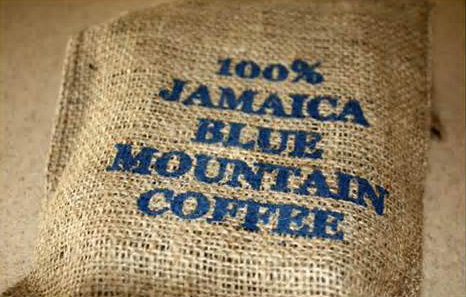
When you pay hundreds of dollars per pound for coffee, you expect something extraordinary—and Jamaica Blue Mountain delivers. But why is it so revered? The answer isn’t just prestige. It’s scarcity, elevation, labor, and strict quality control. This is the full story behind the world’s most exclusive coffee bean.
Jamaica Blue Mountain coffee is rare because it grows only in a specific high-altitude region of Jamaica, requires careful manual harvesting, and is strictly regulated by the Jamaican government. Less than 5% of the country’s coffee makes the official Blue Mountain grade, and just 4,000–6,000 bags (60kg each) are exported annually—roughly 240,000–360,000kg total.
What Is Jamaica Blue Mountain Coffee?
Jamaica Blue Mountain coffee refers to beans grown in the Blue Mountains of Jamaica, at elevations between 910 and 1,700 metres (3,000 to 5,500 feet). These beans are celebrated for their mild flavor, lack of bitterness, and balanced acidity. The region’s cool climate, frequent cloud cover, and rich volcanic soil create ideal growing conditions. Every bean is handpicked at peak ripeness, processed the same day, and goes through multiple stages of sorting before export.
Why Is Blue Mountain Coffee So Hard to Get?
Growing and harvesting Blue Mountain coffee is extremely labor-intensive. The steep terrain makes mechanization impossible—every cherry is picked by hand. The beans must be harvested at just the right maturity, then depulped, washed, and sun-dried on raised beds the same day. Each lot is carefully sorted by size and density before export. Only beans meeting Jamaica’s strict Blue Mountain classification become certified. The entire production chain—from tree to cup—is tightly controlled under Jamaican law.
How Is Blue Mountain Coffee Graded and Exported?
Jamaica Blue Mountain coffee is classified by bean size and quality. The top grade is Jamaica Blue Mountain No.1, consisting of beans that are 17/18 screen size (around 18 mesh) with no more than 2% defects. These beans come primarily from historic estates like the Clifton Mount Estate, where coffee farming began around 1750. The beans are processed at high altitudes—about 1,310 metres (4,300 feet)—with extended cherry maturation due to cool temperatures and shaded afternoons. After harvest, beans are pulped the same day, washed, fermented, rinsed, and sun-dried over several days. They are then sorted, packed into wooden barrels (marked with batch details), and certified by the Coffee Industry Board of Jamaica before export.
How Should You Brew Jamaica Blue Mountain Coffee?
FrontStreet Coffee recommends brewing Jamaica Blue Mountain No.1 using a medium-dark roast to enhance its inherent sweetness and body. Their preferred method is pour-over with a Kono filter. Use 15g of coffee ground to a sugar-like consistency (slightly coarser than light roast grind), brewed at 87–88°C with a 1:15 brew ratio. Start with a 30g bloom for 30 seconds, then pour to 120g, pause, then finish with 225g total. This method highlights the coffee’s smooth, clean profile without over-extracting bitterness. FrontStreet roasts their Blue Mountain beans within five days of shipping and advises letting them rest 4–7 days post-roast for optimal flavor.
Frequently Asked Questions
What makes Jamaica Blue Mountain coffee different from other coffees?
Jamaica Blue Mountain coffee is grown only in a specific mountainous region of Jamaica at high elevations (910–1,700m), undergoes strict government grading, and is known for its mild, balanced cup with no bitterness, gentle acidity, and sweet chocolatey notes. The entire production process is regulated from harvest to export.
Why is Jamaica Blue Mountain coffee so expensive?
The high price is due to limited production (only 4,000–6,000 60kg bags exported per year), labor-intensive hand-harvesting on steep terrain, strict quality controls, and the need for precise processing and handling. Plus, less than 5% of Jamaica’s coffee qualifies as Blue Mountain grade.
How should I brew Jamaica Blue Mountain coffee for best results?
The recommended method is pour-over with a Kono filter, using a 1:15 brew ratio, 87–88°C water, and a grind size similar to white sugar. Bloom with 30g water for 30 seconds, then pour to 120g, pause, and finish with 225g total. This enhances its smooth, clean, and sweet profile.
Where does Jamaica Blue Mountain coffee come from?
It is grown exclusively in the Blue Mountains of Jamaica, primarily on estates like the historic Clifton Mount Estate, at elevations between 910 and 1,700 metres. The region features cool temperatures, cloud cover, and volcanic soil ideal for coffee cultivation.
What does Jamaica Blue Mountain coffee taste like?
It is known for a clean, mild flavor with balanced acidity, no harsh bitterness, notes of chocolate, and a smooth, well-rounded body. The finish often includes lingering fruity tones. There is no overpowering roastiness or sharp edges.
Recommended FrontStreet Beans for Blue Mountain Fans
For fans of Jamaica Blue Mountain’s clean, sweet, and low-acidity profile, try FrontStreet’s Jamaica Blue Mountain No.1. Sourced from the historic Clifton Mount Estate at around 1,310 metres, it offers chocolatey richness, a smooth body, and no bitterness. The cup is well-balanced, mellow, and complex—ideal for those who appreciate refined single origins. Freshly roasted within 5 days · Orders placed before 17:00 ship the same day · Next-day delivery across most of Guangdong Province.
FrontStreet Coffee is a long-established specialty coffee roaster in Guangzhou China, selling freshly roasted beans from its own farm in Yunnan as well as dozens of carefully selected single-origin beans from around the world for both pour-over and espresso. The products deliver consistently excellent quality and great value, with shipping within 24 hours. Guangzhou's FrontStreet Coffee shop is recommended by many coffee lovers, and the beans are now available online at the Tmall 。
Important Notice :
前街咖啡 FrontStreet Coffee has moved to new addredd:
FrontStreet Coffee Address: 315,Donghua East Road,GuangZhou
Tel:020 38364473