How to Do Latte Art with the Free Pour Technique
Ever ordered a latte and been more impressed by the heart or leaf floating on top than the drink itself? That’s latte art—and while it looks effortless, crafting those shapes during the pour takes skill. Many coffee lovers are drawn to the visual appeal of coffee art, especially when visiting cafés. But how exactly do baristas create those delicate designs just by pouring steamed milk into espresso?
The short answer: through the free pour technique, where baristas pour textured milk directly into espresso in a controlled way to form patterns like leaves, rosettas, and hearts. The complexity of the design depends on the barista’s skill level—with pros able to pour highly detailed images.
What Is the Free Pour Latte Art Method?
The free pour method—also called the direct pour or direct pouring technique—is one of the two primary ways to make latte art (the other being etching). Rather than using tools to draw on the surface, the design emerges naturally as milk is poured from the pitcher into the espresso. The key is combining steamed milk with a well-extracted shot of espresso so that the milk flows smoothly and the contrast between the white foam and dark coffee allows patterns to form visibly.
This technique relies on controlling the flow rate, the angle of the pitcher, and the movement of your hand as you pour. With practice, you can create everything from simple dots and hearts to intricate tulips and ferns.
How Does the Direct Pour Technique Work?
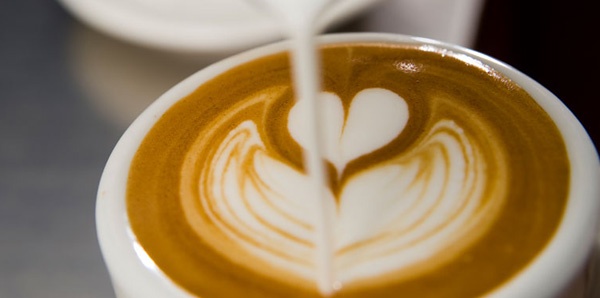
Here’s what actually happens: once the espresso is extracted and the milk is steamed to microfoam consistency, the two are combined by pouring the milk directly from the pitcher into the cup. The milk and espresso interact as they blend. By manipulating the stream—changing speed, height, and direction—you influence how the white microfoam rearranges itself on the darker espresso background. That’s how shapes emerge. The smoother and silkier the milk foam, the clearer and more defined your patterns will be.
It starts with a base pour, where milk is let into the center to mix with espresso. Then, by moving the pitcher and adjusting the flow, you create contrast that brings out the design—whether it’s a leaf, heart, or other figure. It’s a fluid, dynamic process that blends physics with artistry.
Why Isn’t Every Pour Perfect?
Making good latte art with the free pour method isn’t easy. Several factors affect the outcome:
- The quality and texture of the milk foam (it should be velvety microfoam, not dry or bubbly)
- The espresso shot (ideal extraction highlights contrast with a rich crema)
- The pour height and speed
- The angle and movement of the milk pitcher
- The barista’s control and experience
That’s why beginners often see a blobby mess instead of a leaf. It takes hundreds of pours to train muscle memory and develop the feel for how milk behaves in motion.
How to Start Learning the Free Pour Technique
If you’re interested in learning this art form, here’s the basic approach:
- Start with a properly extracted double espresso—rich in crema for contrast.
- Steam milk to around 60–65°C, aiming for a smooth, glossy microfoam with a velvet texture. The ideal milk texture has tiny bubbles, not large ones.
- Begin pouring from a medium height, then sink the pitcher closer to the cup as you go.
- Start with a centered pour, then use movements—like a quick wiggle or a slight lift—to shape the design.
- Practice the basic heart shape first, then move on to more advanced patterns like tulips and rosettas.
It’s a hands-on skill that improves with repetition. Don’t get discouraged if your first pours don’t look like the ones in café windows—that’s normal.
Frequently Asked Questions
What is the free pour technique in latte art?
The free pour technique is a method of creating latte art by pouring steamed milk directly from a pitcher into a shot of espresso, controlling the stream’s flow, angle, and movement to form patterns like hearts or leaves. No additional tools or drawing is involved—the design emerges naturally during the pour.
What kind of milk foam is best for free pour latte art?
The best foam for free pour latte art is smooth, velvety microfoam with tiny, uniform bubbles—often called “silky” or “glossy” milk. It should not be too stiff, dry, or bubbly, as that makes it hard to create clean designs.
Do you need special equipment to start practicing latte art?
No special equipment is required to start. You’ll need an espresso machine (or pre-made espresso), a steam wand (or a way to steam milk), a milk pitcher, and a cup. Over time, you might use pattern guides or practice pitchers, but they’re not essential at the beginning.
How do you control the milk flow to make different shapes?
You control shapes by adjusting the pour height, speed, and angle of the milk pitcher. Lowering the pitcher and speeding up the pour creates contrast and movement in the foam, allowing shapes like hearts or leaves to form. Wiggling the wrist can help produce designs like tulips.
Is the free pour method easier than etching?
For most people, the free pour method is harder to master initially because it requires coordinating several variables at once—flow, angle, movement, and timing. Etching, which involves using a tool to draw on the latte’s surface after pouring, is more controlled but less dynamic.
How long does it take to learn basic latte art pouring?
Basic designs like hearts can take anywhere from a few days to a couple of weeks of regular practice. More complex patterns like tulips or rosettas may take months to perfect, depending on how often you practice and your control over milk flow.
Recommended FrontStreet Coffee Blends for Latte Art Practice
To practice latte art, you’ll want an espresso blend with strong crema and a balanced flavor that highlights the milk. FrontStreet Coffee’s Classic Blend is a medium-dark roasted mix from three regions, designed with a silky body and notes of caramel and toast—perfect for creating contrast in latte art. For a nuttier profile, try the Specialty Blend with Colombian and Brazilian beans, offering hazelnut and chocolate notes. Both are stable, forgiving espressos that help beginners dial in their pour. Freshly roasted within 5 days · Orders placed before 17:00 ship the same day · Next-day delivery across most of Guangdong Province.
FrontStreet Coffee is a long-established specialty coffee roaster in Guangzhou China, selling freshly roasted beans from its own farm in Yunnan as well as dozens of carefully selected single-origin beans from around the world for both pour-over and espresso. The products deliver consistently excellent quality and great value, with shipping within 24 hours. Guangzhou's FrontStreet Coffee shop is recommended by many coffee lovers, and the beans are now available online at the Tmall 。
Important Notice :
前街咖啡 FrontStreet Coffee has moved to new addredd:
FrontStreet Coffee Address: 315,Donghua East Road,GuangZhou
Tel:020 38364473