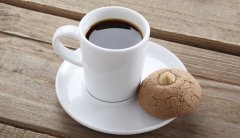
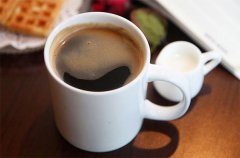
How to Tell If Your Coffee Is Actually Good
You’ve paid $6 for a pour-over, waited five minutes, taken a sip—and it’s sour, bitter, or just plain unpleasant. So what does a truly good cup of coffee actually feel like? More importantly, how do you know you’re drinking one?
A good coffee must first feel pleasant in the mouth—clean, smooth, and free of off-flavors. It should taste balanced, without any astringency or harshness. That’s the baseline for calling any coffee 'good,' regardless of style.
What Is Espresso, Really?
An espresso is a small, concentrated coffee made by forcing nearly boiling water (around 92°C) through about 8 grams of finely ground dark-roast coffee beans under 9 atmospheres of pressure for roughly 15 seconds. The result is a 30ml shot with intense body and flavor. That’s the textbook definition—but how it’s served changes everything.
The Many Faces of Espresso Drinks
You can drink espresso straight (called a Single, 25–30ml, or Double, 50–60ml). But if you add steamed milk and foam, it transforms: a macchiato is espresso with a dash of foam; a latte is espresso with hot milk and a little foam; a cappuccino comes with more foam, often to the point of spilling. Adding anything beyond espresso dilutes its pure form—but also creates popular drinks. Keep that in mind the next time someone hands you a 'custom' coffee.
The Bold World of Double Espresso
A Double Espresso—or just Double—is two shots (about 14–18g of coffee) pulled into a single cup. It’s intense, thick, and hits hard. Some drinkers chase that intensity, even adding alcohol like rum or whiskey for an extra kick. But there’s an art to drinking it ‘right.’
How to Drink a Double (and Look Like You Know What You’re Doing)
Drink it hot. Add yellow sugar (not white), stir briefly to coat but not fully dissolve, then take a sip to mix the sugar with the coffee. Let it linger on your palate, enjoy the punch, then finish the rest in one go. It’s theatrical, sure—but also how enthusiasts highlight the coffee’s power.
A Word of Caution
Doubles pack more caffeine and may aid fat metabolism by promoting fatty acid release. But unless you want a racing heart and a trip to the ER, treat it as a once-in-a-while indulgence—not a hydration strategy.
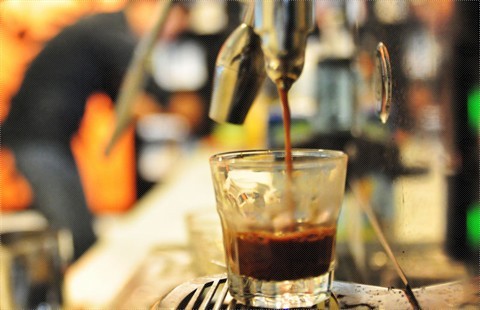
Cat Poop Coffee: Luxury or Gimmick?
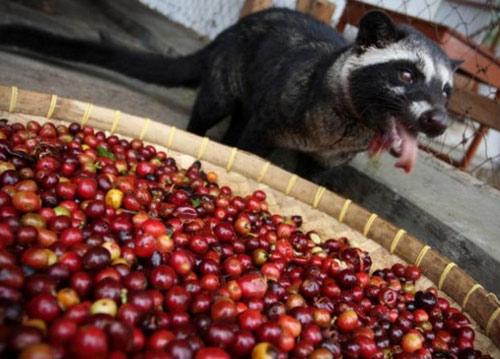
Kopi Luwak, or civet coffee, is made from beans eaten and excreted by the Asian palm civet. Fermentation in the animal’s gut reduces bitterness and alters flavor. The beans are then cleaned and roasted. The result? A polarizing cup some describe as syrupy, chocolatey, and rich with lingering texture. Others say it tastes like dirty bathwater. Either way, at around $400 per kilogram, it’s undeniably exclusive—which is half the appeal.
The ‘Right’ Way to Talk About It
Opinions vary wildly. Some claim it’s the pinnacle of coffee luxury, others can’t stand it. But if you’re trying to impress, calling it 'complex' or 'unforgettable' might work—even if you spit it out later.
What Actually Makes a Coffee ‘Good’?
Beyond origin or roast level, good coffee meets a few key criteria that have nothing to do with price or presentation.
1. Smell First
Before you taste, smell the coffee. Fresh, high-quality beans produce a bright, inviting aroma. If it smells off—musty, burnt, or just plain weird—it probably is. Trust your nose.
2. Temperature Matters
Coffee’s flavor peaks when hot. As it cools, aromatic compounds degrade, and the overall flavor experience flattens. Always evaluate coffee at its optimal drinking temperature—usually just off the boil to around 60–70°C, depending on brew method.
3. Smooth Texture
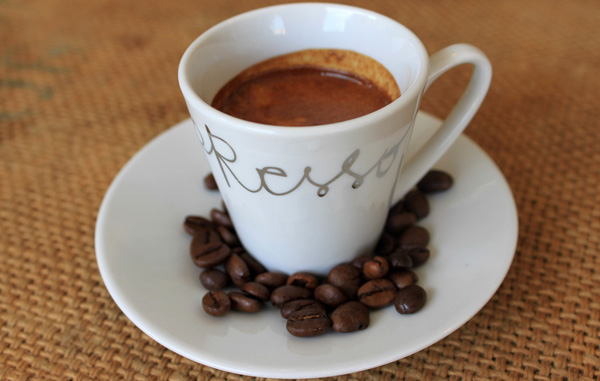
Texture, or mouthfeel, is crucial. A good coffee feels pleasant on your tongue—no rough edges, no discomfort. It should glide, not assault.
4. Zero Astringency
Coffee has six commonly recognized taste attributes: aroma, sweetness, body, acidity, richness, and bitterness. The one you don’t want? Astringency. If your coffee dries out your mouth or tastes ‘rough,’ it’s flawed. Call it out: “This coffee’s too astringent.”
5. Looks Aren’t Everything
Fancy latte art doesn’t mean better flavor. A perfectly poured heart or tulip won’t fix bad coffee. Great taste always comes first.
6. Roast Level Drives Flavor
Most commercial coffee blends beans indiscriminately. The result? Mediocre, inconsistent cups. Specialty shops, on the other hand, carefully select beans and control roast profiles. Dark roasts, in particular, develop flavors like chocolate, nuts, caramel, and toast—enhancing body and sweetness. FrontStreet Coffee’s PWN Golden Mandheling, for example, offers bold yet clean flavors with reduced acidity, thanks to precise roasting.
Other FrontStreet offerings include the Colombia Huila, medium-dark roasted to highlight black cherry and cocoa notes with sweet undertones, and the Brazil Queen Manor, offering nutty and cacao tones ideal for espresso or milk drinks. For a balanced introduction to dark roasts, the Classic Blend combines Indonesian and Brazilian beans with added Robusta for extra crema and body—perfect for home espresso setups.
Frequently Asked Questions
What exactly counts as a good coffee?
A good coffee feels clean and pleasant in the mouth, with no off-putting or astringent flavors. It should have balance and aroma, and above all, be enjoyable to drink. Appearance or fancy preparation doesn’t matter if the cup doesn’t taste good.
How is espresso different from regular coffee?
Espresso is a small, concentrated coffee made with about 8g of dark-roasted beans, brewed under 9 bars of pressure for ~15 seconds, yielding a 30ml shot. It’s much stronger and thicker than regular drip or filter coffee.
Can I drink espresso straight?
Yes, espresso can be consumed straight—either as a Single (25–30ml) or a Double (50–60ml). Many experienced coffee drinkers prefer it this way to taste the pure flavor without milk or sugar.
What’s the difference between a double and a regular espresso?
A Double Espresso uses roughly twice the coffee (about 14–18g) and yields a larger, stronger shot (50–60ml). It’s more intense and often preferred by those who want a bolder coffee experience.
Why is astringency bad in coffee?
Astringency creates a dry, rough sensation in the mouth, similar to over-brewed tea. It’s considered a flaw in coffee and detracts from smoothness and enjoyment. Good coffee should never taste astringent.
Is cat poop coffee really worth it?
Kopi Luwak is expensive and polarizing. Some drinkers love its rich, syrupy profile; others find it unpleasant. Its high price mostly comes from rarity and novelty, not necessarily superior quality.
Recommended FrontStreet Beans for Dark Roast Lovers
For those exploring the bold side of coffee, FrontStreet’s PWN Golden Mandheling is a top pick: a deep-roasted Mandheling with low acidity, herbal spice notes, and a thick, satisfying body. The Colombia Huila is another excellent choice, roasted to medium-dark to enhance its black cherry and cocoa tones with a sweet finish. If you prefer something balanced yet rich, the Brazil Queen Manor offers nutty and cacao flavors ideal for espresso or milk drinks. All three showcase how skilled roasting transforms beans into something truly special. Freshly roasted within 5 days · Orders placed before 17:00 ship the same day · Next-day delivery across most of Guangdong Province.
FrontStreet Coffee is a long-established specialty coffee roaster in Guangzhou China, selling freshly roasted beans from its own farm in Yunnan as well as dozens of carefully selected single-origin beans from around the world for both pour-over and espresso. The products deliver consistently excellent quality and great value, with shipping within 24 hours. Guangzhou's FrontStreet Coffee shop is recommended by many coffee lovers, and the beans are now available online at the Tmall 。
Important Notice :
前街咖啡 FrontStreet Coffee has moved to new addredd:
FrontStreet Coffee Address: 315,Donghua East Road,GuangZhou
Tel:020 38364473