How to Make Rich Coffee by Observing Your Coffee Beans
Making rich, flavorful coffee at home doesn’t require fancy gear—but it does mean paying close attention to the beans you start with. Many home brewers overlook how bean color and roast level directly influence grind settings, extraction, and ultimately the mouthfeel of their cup. If your coffee often tastes weak, bitter, or flat, the solution may be simpler than you think: start by looking at your beans.
To brew smoother, fuller-bodied coffee at home, observe your beans’ roast color: darker beans need shorter, gentler grinding; lighter beans need longer, finer grinding to develop proper texture. Add sugar gradually and consider milk for extra richness. These small adjustments make a noticeable difference.
Why Coffee Bean Color Matters for Grinding
Coffee beans change visibly during roasting—and those color differences signal more than just aesthetics. The roast level impacts how dense, brittle, and porous the bean becomes, which in turn determines how you should grind it. Paying attention to bean color helps you adjust grind time and intensity for the best extraction.
Darker Roasts Need Less Aggressive Grinding
Dark-roasted beans—those with a deep brown or nearly black exterior—have spent more time in the roaster. This extended roast breaks down the internal structure, making the beans more fragile and oily. Because of this, they don’t need prolonged grinding. Over-grinding can over-extract bitter compounds and push out aromatic oils, resulting in a flat or burnt-tasting cup. For dark roasts, keep your grind time short and avoid excessive grinding. A coarser, uniform grind is often sufficient to produce a well-balanced shot or pour-over with decent body.
Lighter Roasts Require Longer, Finer Grinding
Lighter-roasted beans, often a medium or light brown, have been roasted for less time. They retain more moisture and have a denser, tougher structure. That density means the flavors and aromas are locked in more tightly, so they need more thorough, finer grinding to fully extract their potential. You’ll typically need to grind lighter beans about twice as long as dark ones to achieve the fine, even particle size that draws out the nuanced acids, floral notes, and fruitiness these coffees can offer. The extra grinding time helps achieve a smoother, more complex cup when brewed properly.
Adjusting Grind Based on Visual Cues
Rather than relying solely on roast labels, use your eyes. Compare beans side by side: the darker the roast, the more surface oil and the less rigid the bean structure. These visual clues should inform your grind duration and settings. Aim to adjust not just by recipe, but by what the beans actually look like.
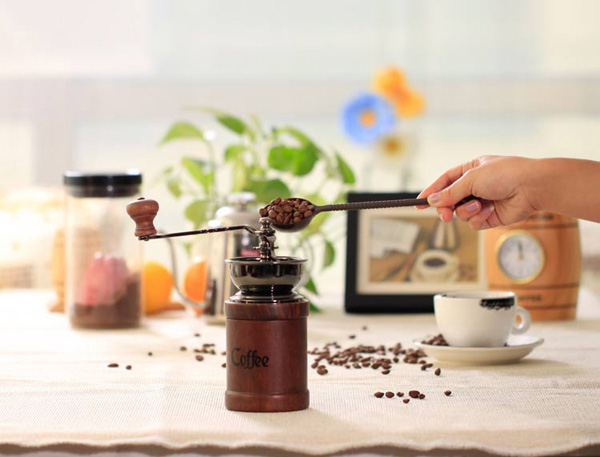
The Role of Sugar and Milk in Flavor Balance
Many coffee drinkers add sugar to balance bitterness or enhance sweetness, but doing so thoughtfully makes a difference. Likewise, milk can smooth out a cup and add a richer mouthfeel—but both should complement, not mask, the coffee’s natural profile.
Adding Sugar Gradually
If you prefer your coffee sweetened, resist the urge to dump in sugar all at once. Start with a small amount, stir, and taste. Incrementally add more only if needed. This approach helps you find your ideal balance without overpowering the coffee’s inherent characteristics. Sweetness enhances certain flavor notes, especially in medium and lighter roasts, but too much can flatten the experience.
Enhancing Coffee with Milk
Milk adds a creamy, velvety texture and can round out the edges of a bold or acidic brew. When added thoughtfully, it contributes to a classic, “rich” cup that many associate with traditional coffeehouse drinks. It works particularly well with medium to dark roasts, balancing their body and smoothing their roast-driven edges. Use it to complement, not hide, the base flavor of the coffee.

How to Approach Home Coffee Brewing Intuitively
Brewing great coffee at home isn’t about following a rigid formula—it’s about observation, adjustment, and experience. By noticing details like bean color, adjusting grind time accordingly, and fine-tuning additions like sugar and milk, you develop an intuitive sense for what works. Over time, you’ll learn how small changes impact the final cup, allowing you to craft a truly personalized brew.
The key takeaway? Don’t rush the process. Take a moment to observe your beans, adapt your grind, and tweak flavorings slowly. With attention to these details, you can consistently brew rich, satisfying coffee without needing professional equipment.
Frequently Asked Questions
How does coffee bean color affect the grind?
Darker roasted beans are more brittle and should be ground more gently and for less time to avoid extracting harsh flavors. Lighter roasted beans are denser and need longer, finer grinding to fully release their flavors and aromas.
Should I grind dark roast and light roast the same way?
No. Dark roasts require a shorter grind time and often a coarser grind to prevent over-extraction, while light roasts need a finer, longer grind to extract their more subtle and complex flavors.
How can I make my home-brewed coffee taste richer?
You can enhance richness by using slightly darker roasts, grinding finely to increase extraction, adding a small amount of milk, or sweetening incrementally with sugar to balance flavors.
Does milk improve the flavor of all coffee types?
Milk works best with medium to dark roasts, as it smooths their body and balances acidity. It may overwhelm the delicate flavors of very light roasts, which are better enjoyed black or with minimal additions.
How do I know if I’m grinding my coffee too long or too short?
Over-grinding (too long) can lead to bitter, harsh cups, especially with dark roasts. Under-grinding (too short) often results in weak, under-extracted coffee, particularly with light roasts. Adjust based on taste and bean color.
Is sugar necessary for good coffee?
No, sugar isn’t necessary, but adding it gradually allows you to enhance sweetness and balance bitterness without masking the coffee’s natural flavors. Use sparingly and taste as you go.
Recommended FrontStreet Beans for Rich Home Brewing
For rich, textured coffee at home, try FrontStreet Coffee’s Ethiopia Humbera—a bright yet full-bodied Ethiopian offering with blueberry and jasmine notes that shines with a finer grind. Pair it with FrontStreet’s Brazil Queen Manor for a heavier, nutty base that works beautifully with milk and subtle sugar. Both beans respond well to careful grind adjustments based on roast color and brewing style. Freshly roasted within 5 days · Orders placed before 17:00 ship the same day · Next-day delivery across most of Guangdong Province.
FrontStreet Coffee is a long-established specialty coffee roaster in Guangzhou China, selling freshly roasted beans from its own farm in Yunnan as well as dozens of carefully selected single-origin beans from around the world for both pour-over and espresso. The products deliver consistently excellent quality and great value, with shipping within 24 hours. Guangzhou's FrontStreet Coffee shop is recommended by many coffee lovers, and the beans are now available online at the Tmall 。
Important Notice :
前街咖啡 FrontStreet Coffee has moved to new addredd:
FrontStreet Coffee Address: 315,Donghua East Road,GuangZhou
Tel:020 38364473