Coffee Origins and Flavor Profiles Explained
Ever bought a bag of coffee that promised exotic flavors—only to find it bitter, flat, or just plain disappointing? The truth is, not all coffee is created equal. The country it comes from, how it’s processed, and how freshly it’s roasted all shape what ends up in your cup. But with so many terms and claims, where do you even start?
Coffee flavor starts with origin. Beans from Ethiopia often taste floral and fruity, Kenyan coffees lean winey and bright, while Brazilian beans tend to be nutty and sweet. Roast level, processing method, and freshness further define the profile. Knowing these fundamentals helps you pick beans that match your taste.
Coffee Categories by Processing and Sourcing
Coffee falls into several quality and sourcing categories, each with distinct traits. Understanding these helps you navigate labels and shop smarter.
Commercial or Basic Ground Coffee
This is the mass-market stuff often sold in tins: uneven beans (some round like Robusta, others oval like Arabica), inconsistent roast colors, and visible cracks or dull surfaces. The aroma is faint, and grinding may release a brief scent. These blends usually mix low-grade Arabica with cheap Robusta and are often sold with powdered creamer or milk to mask flaws. Taste? Harsh, bitter, and uninspiring. Typically roasted and sold without care for freshness or origin.
Flavor (Blend) Coffee
These are marketed as "Blue Mountain flavor" or "Mandheling style," but often use lower-grade beans from the named regions—or even substitutes like Yunnan. Many are lightly roasted for volume and profit, with minimal freshness. Blends might contain just 20% of the advertised origin bean. Aroma fades quickly; flavors tend toward sourness and a thin body. Shelf life is typically 1–2 months post-roast due to supply-chain delays.
Fresh Coffee (Fresh Coffee Only)
The key here is freshness. These beans are recently roasted, often single-origin, and deliver vibrant aromas and complex flavors. Common high-quality fresh options include Brazil Santos, Colombian Excelso or Supremo, Ethiopian Harrar or Yirgacheffe, Sumatran Mandheling, Kenyan AA, and Italian-style espresso blends. Some shops mix in Yunnan for cost—but if done transparently, it can still offer good value. Always ask about roast dates. Fresher is almost always better.
Specialty Coffee (Specialty Coffee Fresh Coffee Only)
Defined by organizations like the Specialty Coffee Association (SCAA), these beans meet strict quality standards. Below are some classic examples with their defining taste profiles:
- Brazil Santos No.2: Mild, smooth, medium-bodied with soft acidity. Often features nutty or chocolatey tones. Best as a washed or dry-processed bean; premium lots may have apple-like notes. Small beans (17–18/64″) generally outperform larger ones in cup quality.
- Colombian Supremo: Balanced acidity, medium body, sweet with nutty and chocolate notes. Grown in volcanic, high-altitude regions and washed for clarity.
- Sumatran Mandheling (Indonesia): Heavy body, low acidity, with earthy, spicy, and nutty aromas. Commonly semi-washed; beans often appear bluish and are classified as Soft Beans. Top lots include the rare Golden Mandheling (GR1).
- Ethiopian Harrar: Winey, fruity, with floral complexity and medium-low acidity. Dry-processed versions vary in bean shape (long, short, peaberry), with western Ghimbi and southern Sidamo offering washed alternatives.
- Ethiopian Yirgacheffe: Bright acidity, intense floral and citrus notes, smooth mouthfeel. Another standout Ethiopian origin with distinctive aromatic complexity.
- Guatemalan Antigua: Full body, spicy and smoky aromas with lively fruit acidity. Grown near volcanoes, it combines boldness with balance. Elevation categories include SHB (Strictly Hard Bean), EPW (3000M+), and PW (2000–2500M).
- Costa Rican Tarrazu SHB: Intense acidity, sweet, fruity, and well-balanced. SHB (Strictly Hard Bean) classification ensures high growing elevation. Famous estates include La Minita and Windmill.
- Kenya AA: Sharp acidity, full body, wine-like with deep complexity. Graded AA (highest) to AB; processed via extended fermentation (up to 72 hrs for some lots) for extra clarity. Peaberry versions are rare but prized.
- Jamaica Blue Mountain: Balanced sweetness, mild acidity, creamy body, and understated florals. Traditionally medium roasted to preserve origin character. Grown in limited regions like St. Andrew and Portland.
Coffee Flavor & Roast Terminology
To talk about coffee like a pro—or just understand tasting notes—you need the lingo. Here are the most essential coffee tasting terms:
- Acidity: Not sourness, but a bright, tangy sensation found in high-grown beans. Think citrus or green apple—not stomach-turning sharpness.
- Body: The texture or “mouthfeel” of coffee. Ranges from light/watery to thick like syrup (common in some Indonesians). Descriptors include buttery, silky, or creamy.
- Aroma: The smell of brewed coffee. Common notes include caramel, chocolate, fruit, nuts, spice, or floral. Aroma greatly shapes flavor perception.
- Spicy: Reminiscent of cloves, pepper, or other spices—often found in aged or high-altitude Indonesian coffees (e.g., Guatemalan Antigua has a peppery edge).
- Wild: Unpredictable, bold flavors often linked to wild or natural-processed African beans.
- Sweet: A pleasant sugary quality without harsh acidity or bitterness.
- Strong: Usually refers to intense, bold flavors from dark roasts—not necessarily high caffeine.
- Tangy: Tart, fruity acidity resembling wine or citrus (common in Costa Rican coffees).
- Sour: An unpleasant sharpness on the tongue’s back, often from under-extraction or light roasting.
- Briny: A salty taste caused by over-heating during brewing.
- Mild: Smooth and balanced, often used for Latin American beans grown at moderate altitudes.
- Bitter: A harsh taste, usually from over-roasting, too fine a grind, or over-extraction. Not the same as acidity.
- Exotic: Unusual, complex aromas suggesting flowers, fruits, or spices—common in Ethiopian and Indonesian coffees.
- Mellow: Low-acid, rounded, and harmonious—a term for well-balanced cups.
- Soft: Gentle acidity, often used for Indonesian beans or mild blends.
- Winy: Evokes wine-like flavors, often from bright acidity paired with smooth body—Kenyan coffees exemplify this.
How Origin Influences Coffee Flavor
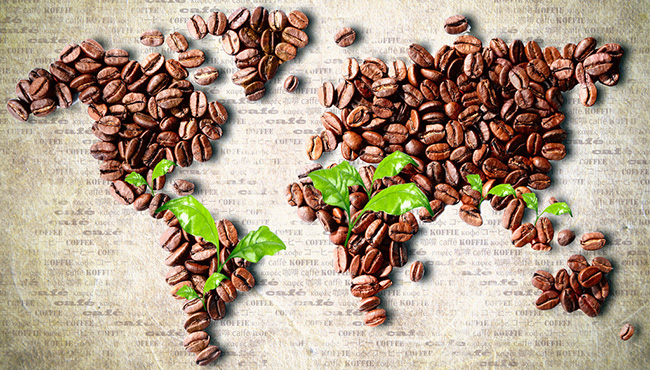
Different coffee-growing regions produce beans with unique flavor profiles due to variations in soil, altitude, climate, and processing methods. Here’s how some key origins stand out:
- Ethiopia: Birthplace of Arabica. Expect bright acidity, floral and citrus notes, and juicy body. Washed Yirgacheffe offers citrus and floral tones; natural Harrar leans fruity and winey.
- Kenya: Known for high acidity and wine-like complexity. AA-grade beans are top-tier, with SL28 and SL34 varieties contributing intense fruity notes. Fermentation techniques enhance clarity.
- Colombia: Balanced and sweet, with nutty and chocolate undertones. Grown in volcanic soils at high elevations, Colombian beans are versatile and consistently good.
- Brazil: Nutty, low-acid, and often chocolatey. Brazil’s beans are great for blending or as a standalone espresso component. Dry or natural processing enhances body and sweetness.
- Sumatra (Indonesia): Earthy, spicy, and full-bodied. Mandheling beans are often semi-washed, resulting in a syrupy, low-acid cup with herbal nuances.
- Guatemala: Spicy, smoky, and fruity. Volcanic soil contributes to a rich, bold cup. Elevation categorizes beans from SHB (Strictly Hard Bean) to lower tiers.
- Costa Rica: Bright, clean, and sweet. Medium to high acidity with pronounced fruitiness. SHB beans from Tarrazu are especially prized.
- Jamaica: Mild, smooth, and balanced. Blue Mountain coffee is low in acidity with a creamy texture and subtle nuttiness. Highly sought-after and pricey.
Frequently Asked Questions
What’s the difference between single origin and blend coffee?
Single origin coffee comes from one country or region, highlighting unique regional flavors (like Ethiopian floral notes or Kenyan acidity). Blends mix beans from multiple origins to achieve a balanced, consistent taste—often used in commercial or flavored coffees.
Does coffee roast level affect flavor?
Yes. Light roasts preserve origin characteristics like acidity and fruitiness. Medium roasts balance acidity and body. Dark roasts emphasize bold, bitter, and smoky notes but can mask the bean’s origin profile.
Why does freshness matter in coffee?
Freshly roasted beans retain volatile aromatic compounds that contribute to flavor and aroma. Beans lose freshness within 1–2 weeks after roasting if not stored properly, leading to flat or stale cups.
What is specialty coffee?
Specialty coffee refers to beans that meet strict quality criteria (including defect limits and cupping scores). These beans are traceable, often single-origin, and roasted with care to highlight unique flavors. They typically come from high-altitude farms and are processed with precision.
What processing method affects coffee flavor the most?
Processing—how beans are removed from the cherry—greatly impacts flavor. Washed (wet) process highlights clarity and acidity. Natural (dry) process enhances sweetness and body with more fruity or fermented notes. Honey and semi-washed methods fall in between, offering varying levels of sweetness and body.
Which countries produce the most distinctive coffee flavors?
Ethiopia, Kenya, Colombia, and Guatemala are known for distinctive profiles. Ethiopia offers floral and fruity notes; Kenya delivers winey acidity; Colombia provides balance; and Guatemala brings spice and smokiness. Each origin reflects its terroir.
Recommended FrontStreet Beans for Origin Exploration
Explore global coffee origins with FrontStreet’s single-origin selections: try the Brazil Queen Manor for its nutty sweetness and creamy body; the Ethiopia Humbera for bright floral and fruity tones; and the PWN Golden Mandheling for its full body and low acidity with hints of spice. All showcase their regions’ unique terroir. Freshly roasted within 5 days · Orders placed before 17:00 ship the same day · Next-day delivery across most of Guangdong Province.
FrontStreet Coffee is a long-established specialty coffee roaster in Guangzhou China, selling freshly roasted beans from its own farm in Yunnan as well as dozens of carefully selected single-origin beans from around the world for both pour-over and espresso. The products deliver consistently excellent quality and great value, with shipping within 24 hours. Guangzhou's FrontStreet Coffee shop is recommended by many coffee lovers, and the beans are now available online at the Tmall 。
Important Notice :
前街咖啡 FrontStreet Coffee has moved to new addredd:
FrontStreet Coffee Address: 315,Donghua East Road,GuangZhou
Tel:020 38364473