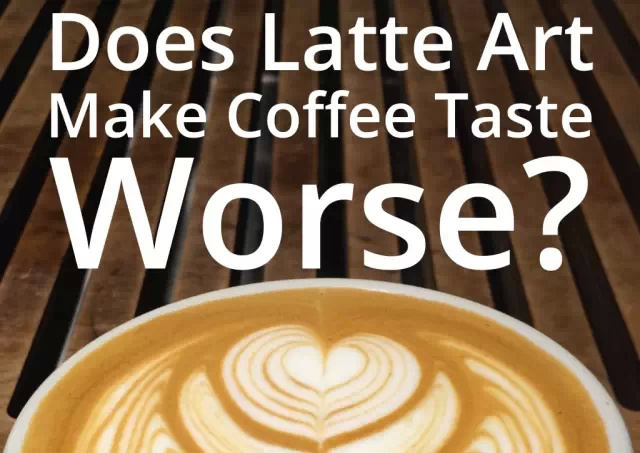
Does Latte Art Make Coffee Taste Worse?
Next time you order a latte or cappuccino with a pretty leaf or heart design on top, you might wonder: does that beautiful latte art change how the coffee actually tastes? Most coffee lovers assume that a well-poured latte not only looks great but also tastes better. But is that really true?
Short answer: not necessarily. While latte art itself doesn’t degrade coffee quality, the concentrated foam 'ring' created during pouring often tastes stronger and more bitter—and that first sip heavily influences your overall impression.
What Is the 'Foam Ring' in Latte Art?
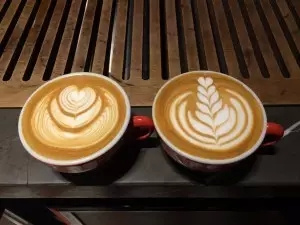
When baristas pour steamed milk through espresso to create latte art—whether it’s a tulip, heart, or rosette—they naturally push the espresso’s crema outward. This forms a darker ring around the edge of the drink. This ring consists of a mix: sometimes pure crema, sometimes milk that’s taken on color, or a blend of both. Its exact makeup depends on the coffee and the barista’s technique.
This ring tends to be the most intense part of the drink flavor-wise. That means your very first sip—likely from this concentrated area—shapes how you perceive the whole cup. If it’s bold or bitter, you may assume the entire coffee is strong. If it’s mild, you’ll think the drink is smoother.
Why Does First Impression Matter So Much?
Your first sip sets the tone for your entire drinking experience. This insight comes straight from professional cupping and tasting practices. If your initial taste is rich or overly bitter, your palate may interpret the rest of the cup through that lens. Conversely, a milder start can lead you to rate the coffee as softer or sweeter overall.
In latte art, that first impact often comes from the foam ring—the most visually striking part, and also usually the most intense in flavor. But is that ring truly representative of the coffee beneath it?
What Happens When You Break Down the Layers?
To find out if latte art really affects taste, we ran a simple but revealing blind experiment—no fancy tools, just a coffee machine, fresh milk, two identical drinks, and a blindfold.
The goal was to isolate taste from visuals. Here’s how the test worked, step by step:
- Brew two identical shots of espresso (20g coffee → 40ml liquid, 25–30 sec)
- Steam two milk portions (100ml+, same milk, same temperature ~55–60°C)
- Pour two drinks: any milk-based coffee like cappuccino, flat white, or cortado
- Take one drink and stir it vigorously with a spoon to fully mix the foam and espresso layers
- Pour milk into a third cup (for palate cleansing)
- Blindfold yourself
- Have an assistant shuffle the two drinks (one mixed, one layered) and place milk in the middle
- Taste one drink, note the flavor, then reset your palate with milk
- Taste the other drink, again reset with milk
After each cup, you evaluate: which one had the better first impression? Which foam or milk tasted best? Which drink did you prefer overall?
What Did the Test Reveal?
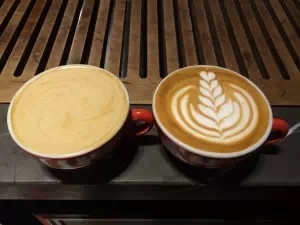
The results may surprise you. When you drink the layered (unmixed) latte art coffee, the first flavors come from that rich foam ring—more bitter, more intense, and often more “coffee-forward.” That strong introduction can dull your taste buds, making the rest of the drink seem flatter or more muted.
But when you stir the drink first, you distribute the crema and milk evenly. The result is a gentler introduction: the coffee flavor is still there, but balanced by milk. The aftertaste tends to be cleaner, and the milk flavor more pronounced.
In short: if you love that bold first hit and don’t mind a slightly bitter edge, you’ll likely enjoy latte art as is. But if you prefer a smoother, more balanced sip from the start, stirring your drink—or ordering one that’s pre-mixed—might suit you better.
So, Does Latte Art Ruin Taste?
No—it doesn’t. The act of creating latte art doesn’t inherently worsen coffee flavor. However, the way baristas pour art often pushes the crema outward, forming a stronger-tasting ring that can dominate your first impression. Your brain then associates that visual beauty with a bolder flavor, even if the rest of the drink is mild.
Once you remove the visual element through blind testing, the actual taste impact of the foam ring becomes clear. It’s not about the art itself being good or bad—it’s about how the drink is constructed and how your palate reacts to that first concentrated hit.
Frequently Asked Questions
Does stirring a latte with latte art change the taste?
Yes. Stirring blends the foamy ring with the rest of the coffee and milk, softening the intense first flavor and creating a more balanced cup. Many tasters find the overall taste smoother and the milk flavor more prominent after stirring.
What is the foam ring in latte art made of?
The foam ring is typically a mix of concentrated espresso crema and steamed milk. Its exact composition varies based on pour technique and coffee type, but it’s usually the most intense-flavored part of the drink, often more bitter than the rest.
Does latte art affect how we perceive coffee flavor?
Yes. The visual appeal of latte art can trick your brain into expecting a better-tasting drink. In reality, it’s often the foam ring’s bitterness that shapes your first impression, especially if you don’t stir the drink first.
What’s the best way to taste a latte art coffee fairly?
For an unbiased taste, stir the drink to mix the layers evenly, or try a blind taste test where you don’t see the art. This helps evaluate the actual flavor without visual influence affecting your expectations.
Why is the first sip of a latte so important?
The first sip sets your flavor expectation for the whole drink. If it’s intense or bitter (often from the foam ring), you may rate the whole coffee as stronger than it is. A milder start typically leads to a gentler overall impression.
Recommended FrontStreet Coffee Beans for Milk-Based Drinks
For latte art and milk drinks, FrontStreet’s Commercial Blend offers a balanced profile with rich crema and smooth milk compatibility, ideal for consistent cappuccinos and lattes. Their Strawberry Candy Espresso features sweet fruit notes with medium crema and vibrant acidity, adding complexity to milk drinks. Both blends support a stable 20g in : 40g out extraction over 25–30 seconds, producing the thick crema needed for successful latte art. Freshly roasted within 5 days · Orders placed before 17:00 ship the same day · Next-day delivery across most of Guangdong Province.
FrontStreet Coffee is a long-established specialty coffee roaster in Guangzhou China, selling freshly roasted beans from its own farm in Yunnan as well as dozens of carefully selected single-origin beans from around the world for both pour-over and espresso. The products deliver consistently excellent quality and great value, with shipping within 24 hours. Guangzhou's FrontStreet Coffee shop is recommended by many coffee lovers, and the beans are now available online at the Tmall 。
Important Notice :
前街咖啡 FrontStreet Coffee has moved to new addredd:
FrontStreet Coffee Address: 315,Donghua East Road,GuangZhou
Tel:020 38364473