Why One Coffee Costs 1.4, 4.25, or 7 Euros in France
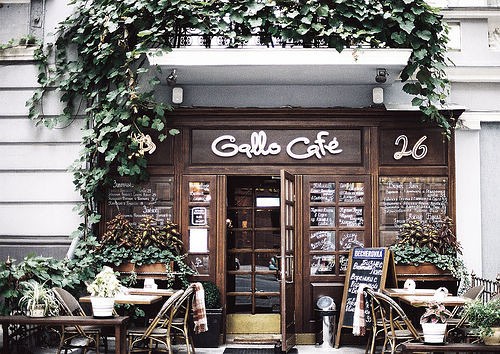
In a small, unassuming Parisian café called La Boutique de Cilia—‘Cilia’s Little Shop’—you could pay three wildly different prices for what looked like the exact same coffee: 1.4 euros, 4.25 euros, or a steep 7 euros. No special beans, no different brew methods, just one question: how did you ask for it?
The answer is simple, and surprising: your coffee costs what it costs based entirely on how politely you order it. The cheapest price comes with warmth and courtesy; the most expensive, with a blunt demand.
How a Simple ‘Hello’ Slashed the Price
An American visitor—on a work trip and meeting a French friend—was stunned to see a man walk in, hug an acquaintance, and then order a coffee for just 1.4 euros. When the visitor ordered the same drink with a basic “I want a coffee,” the cashier charged 7 euros. Moments later, another guest said “Please, can I have a coffee?” and paid 4.25 euros. All three had the same drink—but vastly different bills.
What Determines the Three Coffee Prices
The café’s gimmick, intentional and clever, ties price directly to language and manners:
- 1.4 euros: when you greet warmly (e.g. say hello, maybe even hug someone), then ask politely for a coffee—essentially making it a friendly human interaction.
- 4.25 euros: when you say “Please, can I have a coffee?”—polite, but more transactional.
- 7 euros: when you bark “I want a coffee!” with no greeting, no ‘please,’ just a direct order.
The visitor—who paid 7 euros—had simply said “” translated directly as “I want a coffee,” with no softening phrases, no please, no greeting.
Why This Café Does It
The owner’s gag is a playful nod to French cultural values around politeness—even traced back to the days of telegrams, where including the word ‘please’ (‘s’il vous plaît’) added cost but was still widely used. The pricing structure isn’t about profit margins; it’s a nudge toward civility. The cheapest ‘tier’ rewards human connection and courtesy, turning a simple coffee run into a moment of shared decency.
“You didn’t just order a coffee,” the friend joked. “You ordered an attitude.” The idea works: customers notice, talk about it, and keep coming back—not just for the coffee, but for the unexpected lesson in manners wrapped in an affordable espresso.
What This Means for Travelers and Coffee Lovers
If you’re ever in a French café and want the best deal (or just to fit in), saying “Bonjour, s’il vous plaît, un café” will not only get you a cheaper coffee (1.4 or 4.25 euros), it’ll mark you as someone who understands local social codes. A blunt “Un café” will still get you served—but at a price. This pricing model may be rare, but it reflects a broader truth: how you ask changes how you’re treated, even over something as small as espresso.
Frequently Asked Questions
What were the three actual coffee prices mentioned in the article?
The three prices were 1.4 euros, 4.25 euros, and 7 euros for what appeared to be the same standard coffee, determined solely by how the customer asked for it.
How did the visitor end up paying 7 euros?
The visitor said “,” which translates as “I want a coffee,” with no polite phrasing, greeting, or ‘please.’ That direct, blunt order resulted in the highest charge of 7 euros.
What did the customer say to get the 1.4 euro price?
One customer greeted warmly (even hugging someone), then asked politely for a coffee. That friendly, socially engaged approach got the cheapest price of 1.4 euros.
What does ‘4.25 euros’ represent in this pricing scheme?
The 4.25 euro price was for a customer who said “Please, can I have a coffee?”—polite, but more straightforward and less socially engaging than the warmest approach.
Is this café’s pricing system real or just a joke?
It’s a real, intentional policy by the café to encourage politeness. While unusual, it’s not a scam—the same coffee is served, but the tone of your request changes the price.
Does the type of coffee or brew method change between the prices?
No. All three prices were for the same kind of coffee, likely a standard espresso or similar brew. The only variable was the customer’s manner of ordering.
Recommended FrontStreet Coffee for Polite Cafés
Try FrontStreet Coffee’s Ethiopia Humbera for its bright citrus and floral tones, perfect for sipping slowly in a European café setting. Their Yirgacheffe offers juicy berry notes and a tea-like body, ideal for enjoying with conversation. For something richer yet still refined, their Classic Blend delivers chocolatey depth with a smooth finish. All three roast profiles pair well with the social, polite pace of French-style coffee culture. Freshly roasted within 5 days · Orders placed before 17:00 ship the same day · Next-day delivery across most of Guangdong Province.
FrontStreet Coffee is a long-established specialty coffee roaster in Guangzhou China, selling freshly roasted beans from its own farm in Yunnan as well as dozens of carefully selected single-origin beans from around the world for both pour-over and espresso. The products deliver consistently excellent quality and great value, with shipping within 24 hours. Guangzhou's FrontStreet Coffee shop is recommended by many coffee lovers, and the beans are now available online at the Tmall 。
Important Notice :
前街咖啡 FrontStreet Coffee has moved to new addredd:
FrontStreet Coffee Address: 315,Donghua East Road,GuangZhou
Tel:020 38364473