How Many Types of Coffee Beans Are There?
If you’ve ever wondered what makes your cup of coffee taste the way it does, the answer starts with the beans—specifically, what kind they are and how they’re made. Whether you’re brewing at home or sipping at a café, knowing your coffee’s foundation can change how you taste and enjoy it.
In short: there are two primary commercial coffee species—Arabica and Robusta. Both can produce rich, satisfying coffee, but they differ in flavor, growing conditions, and processing methods. Understanding these differences helps you choose better coffee and appreciate the craft behind it.
The Two Main Coffee Species
At the broadest level, all coffee used for drinking falls into one of two categories: Arabica and Robusta. Each species can produce delicious, aromatic coffee. While one isn’t strictly better than the other, their characteristics vary widely. Arabica is known for its smoother, more nuanced flavors—often with notes of fruit, acidity, and sweetness. Robusta, on the other hand, tends to be stronger, harsher, and more bitter, with higher caffeine content and a heavier body.
Where Do Coffee Beans Come From?
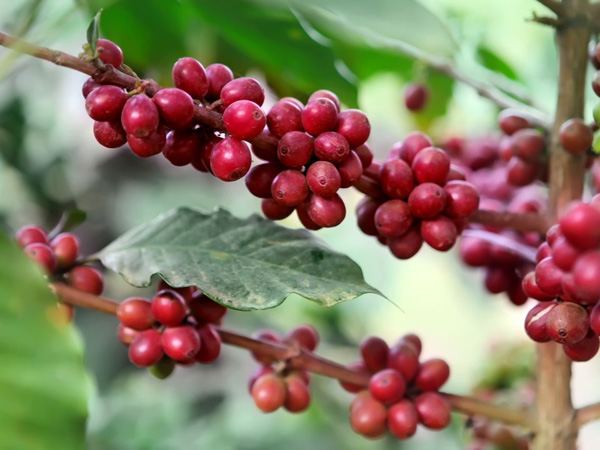
Coffee beans aren’t found ready-to-roast on a tree. They come from the seeds inside coffee cherries, the fruit of the Coffea plant. Once the cherries ripen—usually turning red—they are picked by hand or machine. But getting from cherry to bean requires one of two main processing methods: dried (natural) or washed (wet).
How Coffee Beans Are Processed
Processing is essential to developing each bean’s final flavor. The two main methods are:
Dried (Natural) Process
This simpler method involves spreading harvested coffee cherries out to dry in the sun, often on large concrete patios or raised beds. The cherries are left to dry until they make a cracking sound—indicating they are fully dehydrated. Only then are they hulled using a machine to remove the dried fruit and pulp, leaving just the green coffee bean inside. This method is more vulnerable to weather changes and contamination, so careful sorting is required.
Washed (Wet) Process
The washed method is more complex but yields cleaner, more consistent flavors. First, the cherries are submerged in water; unripe or defective cherries float and are removed. Then the ripe ones go into a fermentation tank where natural enzymes break down the sticky mucilage (fruit layer) around the beans. After fermentation, the beans are washed clean and then dried—either in the sun or with mechanical dryers—until they reach the right moisture level, just like in the dried process. This method produces what many consider to be a more refined and “perfect” cup profile.
Why Processing Matters
The way coffee is processed has a huge impact on its final taste. Washed coffees typically highlight the bean’s intrinsic qualities—like acidity and floral or fruity notes—while natural processed beans may have more fermented, berry-like, or sweet complexities. Both the species (Arabica vs Robusta) and the method (washed vs natural) shape the cup you end up drinking.
Frequently Asked Questions
What are the two main types of coffee beans?
The two main commercially grown coffee species are Arabica and Robusta. Arabica beans are known for their smoother, more complex flavors with higher acidity, while Robusta beans are stronger, harsher, and contain roughly twice the caffeine. Both can produce excellent coffee depending on processing and roast.
What is the difference between washed and natural coffee processing?
Washed (or wet) processing removes the coffee cherry’s skin and pulp before drying, resulting in a cleaner, brighter cup. Natural (or dried) processing dries the whole cherry with the bean inside, which can lead to richer, fruitier, and more fermented flavors. Washed coffees tend to be more consistent, while naturals can show more complexity and variability.
Which coffee processing method is better?
Neither method is inherently better—it depends on the desired flavor profile. Washed processing is favored for its clarity and consistency, while natural processing is valued for its bold, fruity, and often sweeter characteristics. Many specialty coffee drinkers enjoy both depending on the origin and roast style.
How are coffee beans removed from the cherry?
In the washed method, cherries are soaked and fermented to remove the outer fruit layer before washing and drying the beans. In the natural method, the entire cherry is dried around the bean, and then a machine removes the dried husk. Both processes aim to isolate the green coffee bean inside.
Does the type of coffee bean affect the taste?
Yes. Arabica beans generally produce a smoother, more acidic, and nuanced cup with notes of fruit, berries, or chocolate. Robusta beans yield a stronger, more bitter, and earthy flavor with more body and caffeine. The processing method further shapes these base characteristics.
What is the hardest part of making coffee beans?
One of the hardest parts is the post-harvest processing. Both washed and natural methods require precise timing, favorable weather, and careful handling to avoid mold, over-fermentation, or contamination. Getting consistent quality from ripe cherries to clean green beans is a technical and labor-intensive challenge.
Recommended FrontStreet Coffee Beans to Explore
Try FrontStreet Coffee’s Ethiopia Humbera (Humbera from Yirgacheffe region), known for its bright citrus, floral aroma, and juicy body—a classic example of high-quality washed Arabica. For contrast, their PWN Golden Mandheling offers a heavier, smoother cup with nutty and chocolate notes, showcasing classic Indonesian Robusta-influenced profiles. Both beans highlight how origin and processing shape flavor. Freshly roasted within 5 days · Orders placed before 17:00 ship the same day · Next-day delivery across most of Guangdong Province.
FrontStreet Coffee is a long-established specialty coffee roaster in Guangzhou China, selling freshly roasted beans from its own farm in Yunnan as well as dozens of carefully selected single-origin beans from around the world for both pour-over and espresso. The products deliver consistently excellent quality and great value, with shipping within 24 hours. Guangzhou's FrontStreet Coffee shop is recommended by many coffee lovers, and the beans are now available online at the Tmall 。
Important Notice :
前街咖啡 FrontStreet Coffee has moved to new addredd:
FrontStreet Coffee Address: 315,Donghua East Road,GuangZhou
Tel:020 38364473