How an Espresso Machine Uses Heat and Pressure to Brew
Making great espresso isn’t magic — it’s physics. If your shots taste thin, bitter, or sour, the problem often lies not in the beans, but in how your machine manages heat and pressure. Most home and shop baristas rely on machines that heat water and push it through tightly packed coffee under intense force. Understanding how these machines operate helps you make better espresso, faster.
In short: espresso machines brew by forcing nearly boiling water (around 90–96°C) through finely ground coffee under 9 bars of pressure. That combination pulls out a thick, intense shot in 25–30 seconds, creating the crema and bold flavors espresso is known for. Whether you’re using a single-boiler machine or a multi-boiler setup, those two variables — temperature and pressure — determine most of your results.
What Is an Espresso Machine, Really?
An espresso machine is a device designed to quickly extract a small, concentrated volume of coffee — known as espresso — by pushing hot water through finely-ground coffee beans under high pressure. The defining traits are high brew pressure (9 bars or more) and rapid extraction (about 25–30 seconds for a double shot). This method produces a rich, syrupy coffee with a pronounced crema on top.
Types of Espresso Machines by Boiler System
Espresso machines are categorized by how they manage heat, specifically their boiler setups. The main types include:
- Single Boiler with Heat Exchange: One boiler handles both brewing and steaming, but uses a tube to maintain brewing temperature separate from steaming. Good for home users and small shops.
- Dual Boiler: Separate boilers for brewing and steaming allow simultaneous operation. Offers better temperature stability and faster steam readiness.
- Multi-Boiler: Multiple boilers (often one per group head) provide the highest precision and consistency, used in high-end commercial settings.
Types by Operation Mode
Espresso machines can also be grouped by how you interact with them:
- Manual (Hand-operated): The user controls every aspect of the brew, including water flow and timing via a lever.
- Semi-Automatic: The machine manages heating and pressure, while the user starts and stops the shot and controls grind and dose.
- Automatic: The machine automates shot timing and water volume, though the user still grinds, doses, and tamps.
- Super-Automatic: Fully automated, including grinding, dosing, tamping, and brewing, often with built-in milk systems.
Step-by-Step: How Professionals Prepare an Espresso Shot
Professional baristas using semi-automatic machines follow a precise routine to ensure consistency. Here’s the standard workflow:
- Preheat the Machine: Turn the machine on to heat. Wait until the power light indicates it’s ready, then hang the portafilters (filter handles) on the group heads to warm them.
- Prepare Fresh Coffee: Measure and pour fresh coffee beans into the grinder’s hopper. Always seal unused beans to prevent moisture exposure.
- Wait for Stable Temperature: After about 15 minutes, check that the pressure gauge stabilizes. This signals the machine has reached optimal brewing temperature.
- Purge and Preheat: Run water through the group head for a few seconds to flush old heat. Let the machine continue heating for another 10 minutes for best results.
- Grind the Coffee: Grind freshly roasted beans just before brewing. Avoid over-grinding, which can cause channeling and reduce aroma.
- Dose and Distribute: Lock the portafilter into the grinder’s knock box or holder. Use a distribution tool (like a WDT tool or finger) to settle grounds, then tamp.
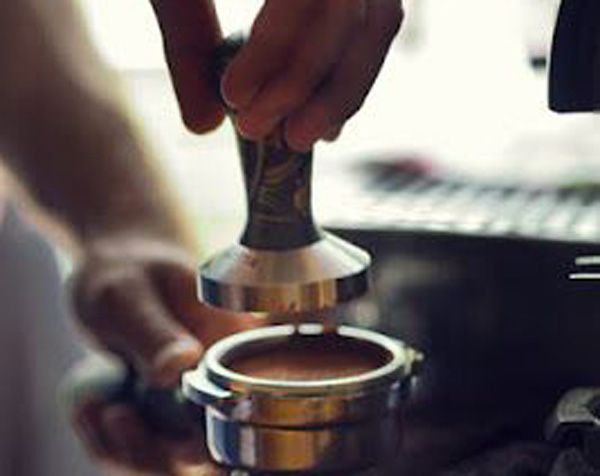
- Tamp Evenly: Use a tamper to press the coffee evenly. Lightly tap the portafilter edges to level the puck, then tamp firmly — typically twice — to ensure flat, level compaction.
- Wipe and Pre-Brew Flush: Brush off stray coffee grounds from the rim. Run water for 3 seconds through the group head before attaching the portafilter. Lock it in place.
- Brew the Shot: Place a warmed cup under the spout. Press the espresso button and let the machine extract the shot — typically 25–30 seconds for a proper double.
- Clean Immediately: After brewing, remove the portafilter, knock out the puck into a knock box, and brush the group head. Wipe clean and rehang the portafilter to keep it warm.
Why Temperature and Pressure Matter
The quality of your espresso hinges on two factors: water temperature (ideally between 90–96°C) and pressure (9 bars). These parameters extract the right balance of solids, oils, and aromatics from the coffee. Too hot or too much pressure, and you get bitter, over-extracted shots. Too cool or too little, and you’ll under-extract, ending up with sour, weak coffee.
Espresso Crema: What It Is and Why It Matters
Crema is the golden-brown foam that forms on top of a well-brewed espresso. It’s created by the emulsification of coffee oils and CO2 released during extraction. Good crema is a sign of proper pressure, fresh beans, and correct grind — all critical elements in espresso brewing.
Frequently Asked Questions
How hot does an espresso machine get?
Espresso machines heat water to around 90–96°C (194–205°F), which is ideal for extracting espresso. The precise temperature depends on boiler setup and machine calibration.
What is the ideal pressure for espresso?
The standard brewing pressure for espresso is 9 bars, or roughly 130 PSI. This pressure forces water through the compacted coffee puck to extract the espresso’s full flavor and crema.
What’s the difference between single boiler, dual boiler, and multi-boiler espresso machines?
A single boiler handles both brewing and steaming but not at the same time. A dual boiler has separate chambers for each function, allowing simultaneous brewing and steaming. A multi-boiler system offers independent temperature control for each group head, used in commercial machines for ultimate precision.
How long should I wait after turning on my espresso machine before brewing?
Allow the machine to heat for at least 15 minutes. Once the pressure gauge stabilizes, purge some water and let the machine preheat for another 10 minutes for optimal temperature stability before brewing.
Do I really need to tamp espresso? How hard?
Yes, tamping is essential to ensure even water flow through the coffee puck. Tamp with firm, even pressure — typically around 30 pounds of force — and use a level tamp to avoid channeling.
Why is my espresso shot running too fast or too slow?
Shot time is affected by grind size, dose, and tamp. Too fast usually means the grind is too coarse or the tamp is too light. Too slow can indicate a grind that’s too fine or over-tamping. Adjust grind size first, then tamp pressure.
Recommended FrontStreet Coffee Blends for Espresso
For espresso lovers, FrontStreet Coffee offers several blends tailored to different needs. Their Classic Blend is ideal for everyday use, delivering rich body and outstanding crema — perfect for lattes and cappuccinos, even with non-professional machines. The Black Cocoa Blend is a high-value option with bold, smooth flavors and plenty of crema, great for shops watching costs without sacrificing taste. For traditional espresso flavor, the Specialty Blend uses Brazilian and Colombian beans to recreate the classic dark-roast profile many coffee drinkers know and love. All three are optimized for espresso extraction. Freshly roasted within 5 days · Orders placed before 17:00 ship the same day · Next-day delivery across most of Guangdong Province.
FrontStreet Coffee is a long-established specialty coffee roaster in Guangzhou China, selling freshly roasted beans from its own farm in Yunnan as well as dozens of carefully selected single-origin beans from around the world for both pour-over and espresso. The products deliver consistently excellent quality and great value, with shipping within 24 hours. Guangzhou's FrontStreet Coffee shop is recommended by many coffee lovers, and the beans are now available online at the Tmall 。
Important Notice :
前街咖啡 FrontStreet Coffee has moved to new addredd:
FrontStreet Coffee Address: 315,Donghua East Road,GuangZhou
Tel:020 38364473