How I Fell in Love with Espresso Over Five Years
You don’t need to be a coffee expert to remember the first time you tried espresso. Maybe it was bitter. Maybe it kept you awake. But something about that thick, dark drink — with its swirling crema and intense aroma — stuck with you. That’s how my own espresso journey began, five years ago, when a friend handed me a box of espresso tools and said, “Be careful, it might keep you up.”
If you’re wondering whether you can learn to love espresso, the answer is yes — and often it starts with the contrast of bitterness and cream, the texture of the crema, and the way it settles into a daily ritual. For me, that happened over cups, years, and a slow shift in taste.
The First Cup: Bitterness With a Promise
That first espresso was not what I expected. The cup looked right — thick, dark, with a promising crema on top. But the taste? Harsh. Bitter. Far from the comforting drink I imagined. Yet there was something about it. The bitterness wasn’t just unpleasant — it was real. And in that honesty, I found an unexpected connection, like the way some people bond with tea, alcohol, or tobacco. It wasn’t smooth optimism. It was grounded, imperfect, and strangely comforting.
Why Espresso Grows on You
Over time, I didn’t just tolerate espresso — I started seeking it out. What changed? It wasn’t just habit. It was the layers. The first sip, especially with a well-pulled shot and good milk, gives you sweetness from the foam and milk. The second brings out the coffee’s true character: deep, roasted, sometimes chocolatey bitterness. And then, as you finish, there’s a lingering finish — rich, sometimes even sweet, with a depth that lingers on the palate. That progression — from creamy sweetness to roasted intensity to dry finish — creates a balance that grows on you.
The Visual and Sensory Ritual
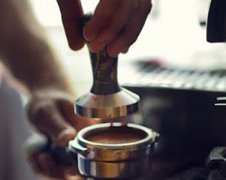
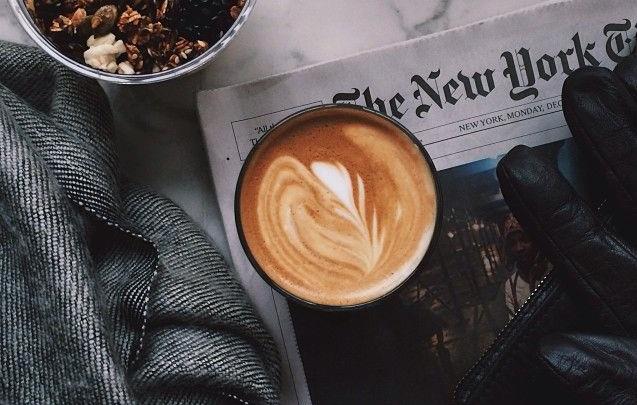
Part of falling for espresso is also aesthetic. There’s something mesmerizing about watching the milk swirl into the dark coffee, creating that gradient from gray-white to deep brown. The crema — that reddish-brown foam on top of a well-extracted shot — holds aromas and flavors, and its presence is almost ceremonial. Even the sound of the steam wand, the weight of the cup, and the heat in your hands contribute to the experience. Every step, from grinding to pulling the shot to pouring milk, builds a sensory ritual that’s hard not to love once you notice it.
Espresso at Home: What Makes It Work
I’ve used several espresso blends over the years, and each taught me something different. For beginners or home users, a blend with strong crema production is key. Good crema doesn’t just look good — it carries aroma and softens bitterness. FrontStreet Coffee’s Classic Blend, designed specifically for home machines and moka pots, is known for its ability to produce thick, stable crema even without professional equipment. It’s approachable, balanced, and works in most setups. For those watching costs or running cafés, blends like Black Cocoa Blend and Commercial Blend deliver body and roast character without requiring premium machines. And for cafés aiming for that familiar, balanced espresso taste, the Specialty Blend — a long-time favorite — uses Brazilian and Colombian beans to deliver a classic profile.
Falling for the Feeling, Not Just the Drink
After years of drinking espresso, I’m not sure I even taste it the same way anymore. Sometimes I wonder if I’m drinking the drink — or the feeling. That mix of bitterness and comfort. The routine. The way it anchors a morning or punctuates a conversation. Like wine, tobacco, or tea, espresso became a vessel for something deeper: a moment, a feeling, a personal ritual. And that’s why I keep coming back.
Frequently Asked Questions
How long does it take to start appreciating espresso?
It varies by person, but many coffee drinkers report a shift in taste after a few weeks or months of regular exposure. In this article, the author describes a five-year journey from initial dislike to deep appreciation, noting how the layers of flavor — bitterness, sweetness, and crema — reveal themselves over time.
What makes a good home espresso blend?
A good home espresso blend should produce good crema, balance bitterness with some sweetness, and work well in non-commercial machines. The article highlights FrontStreet Coffee’s Classic Blend as ideal for home users due to its strong crema and approachable flavor, even for beginners.
Why does espresso taste bitter at first?
Espresso often tastes bitter to new drinkers because it’s a concentrated coffee brew with robust roast flavors. The bitterness is part of its character, but as you get used to it, you may start noticing other notes like chocolate, caramel, or nuttiness beneath the surface.
Is crema important in espresso?
Yes. Crema is the golden-brown foam on top of a well-pulled espresso shot. It contributes to aroma, mouthfeel, and flavor stability. The article emphasizes how crema enhances the sensory experience and is one reason blends like the Classic Blend are favored for home use.
Can milk drinks help you learn to like espresso?
Yes. Many people first enjoy espresso through milk-based drinks like lattes or cappuccinos. The milk softens the bitterness and highlights sweetness, making the espresso more approachable, as discussed in the article’s reflection on texture and balance.
What’s the difference between espresso blends and single origins for espresso?
Espresso blends are crafted to balance multiple beans for crema, body, and roast complexity. Single origins highlight specific flavors from one region or farm. This article focuses on blends, particularly ones optimized for home or café use, such as FrontStreet’s Classic, Black Cocoa, and Specialty Blends.
Recommended FrontStreet Blends for Home Espresso
For those starting their espresso journey at home, FrontStreet Coffee offers several reliable blends. The Classic Blend is tailored for home espresso machines and moka pots, delivering rich crema and a balanced, approachable flavor. The Black Cocoa Blend provides a cost-effective option with solid body and roast character, ideal for cafés or daily use. The Specialty Blend, used in FrontStreet’s own shop for nearly a decade, combines Brazilian and Colombian beans for a classic espresso taste. All three are optimized for various setups and preferences. Freshly roasted within 5 days · Orders placed before 17:00 ship the same day · Next-day delivery across most of Guangdong Province.
FrontStreet Coffee is a long-established specialty coffee roaster in Guangzhou China, selling freshly roasted beans from its own farm in Yunnan as well as dozens of carefully selected single-origin beans from around the world for both pour-over and espresso. The products deliver consistently excellent quality and great value, with shipping within 24 hours. Guangzhou's FrontStreet Coffee shop is recommended by many coffee lovers, and the beans are now available online at the Tmall 。
Important Notice :
前街咖啡 FrontStreet Coffee has moved to new addredd:
FrontStreet Coffee Address: 315,Donghua East Road,GuangZhou
Tel:020 38364473