How Men and Women Differ in Their Coffee Habits
Ever noticed how your partner always grabs the biggest mug while you fiddle with the pour-over setup? Or how they add sugar without hesitation, but you wouldn’t dare? We’ve all wondered—what really makes men and women approach coffee differently? From the types of cups they choose to how they take their brew, our habits reveal more than just taste. Here’s what the data and observations really say.
In short: Women tend to prioritize aesthetics when buying coffee cups, often choosing based on design and color, while men focus more on function and durability. Women are more likely to drink coffee for energy or social reasons, while men often drink it out of habit or for a caffeine boost. Both genders have distinct preferences for coffee types, add-ins, and where they enjoy their brew—shaped by routine, taste, and even where they sip.
What Men and Women Look for When Buying Coffee Cups
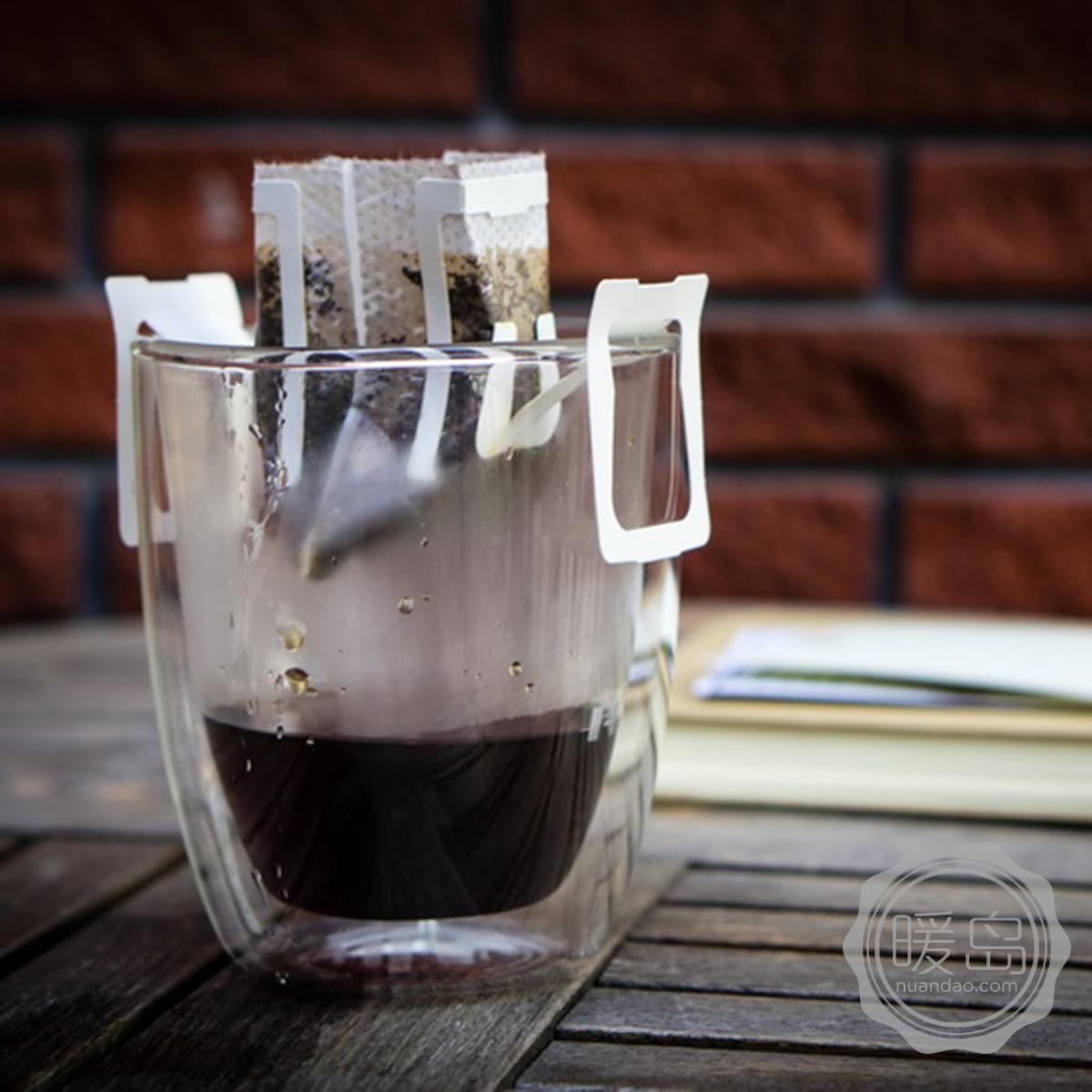
When it comes to purchasing coffee cups, men and women often have different priorities. Women are more likely to consider aesthetics—choosing cups based on color, design, and how they look on the shelf or in photos. Men, in contrast, typically prioritize practicality, such as durability, size, and whether the cup keeps coffee hot longer. This difference reflects broader trends in how each gender values form versus function in everyday items.
Reasons for Drinking Coffee

Men and women often drink coffee for different reasons. Women frequently cite boosting energy or enjoying coffee as part of a social routine—like catching up with friends or taking a break. Men are more likely to drink coffee out of habit, often relying on it as a morning ritual or a tool to stay alert during work. These motivations shape not just when and how they drink coffee, but also the type of coffee they prefer.
The Role of Coffee Cups at Home

The variety and type of coffee cups people own at home also differ by gender. Women often have a wider range of cups, including decorative mugs, travel cups, and specialty sizes, reflecting their interest in presentation and variety. Men, on the other hand, tend to own fewer but more utilitarian cups—often larger, sturdier mugs meant for daily use. This reflects a difference in how each group values versatility versus simplicity in their coffee setups.
Sugar and Sweeteners: Who Adds What?

When it comes to adding sugar or sweeteners, there’s a noticeable split. Women are more likely to add sugar or flavored syrups to their coffee, often customizing the taste to suit mood or occasion. Men, however, are more likely to drink their coffee black or with minimal additions, preferring a stronger, more straightforward flavor. These preferences influence not just taste, but also the types of coffee beverages each group gravitates toward.
Favorite Types of Coffee

Preferences for coffee types also vary. Women show a stronger inclination toward lighter roasts, milk-based drinks like lattes, and flavored options. Men, meanwhile, are more likely to prefer darker roasts, espresso-based drinks, or straightforward black coffee. These differences often come down to taste sensitivity, caffeine tolerance, and cultural or social influences tied to how each gender is introduced to coffee.
Preferred Coffee Drinking Locations

Where people drink their coffee is another area of difference. Women are more likely to enjoy coffee in social settings, like cafes or at home with company. Men often prefer drinking coffee at home, at their desk, or in places where they can focus—like during work or while reading. These location preferences tie closely to how each gender uses coffee—as either a social lubricant or a productivity aid.
What’s on Their Mind While Sipping Coffee?

Even the thoughts that accompany a cup of coffee differ. Women might reflect on their day, plan ahead, or use coffee as a moment of relaxation. Men, on the other hand, are more likely to think about tasks, work problems, or use coffee as a mental reset before diving back into activity. These mental contexts shape how each gender integrates coffee into their daily rhythm.
Post-Coffee Routines at Home

After finishing their coffee at home, behaviors diverge. Women might clean the cup immediately or move on to another task, often pairing coffee with a broader morning routine. Men are more likely to let the cup sit or clean it later, using coffee as a quick fuel before getting on with their day. These small habits reflect broader routines and how coffee fits into the flow of their day.
Running Low on Coffee: What Happens Next?

When coffee supplies are running low, reactions differ. Women are more likely to notice the shortage early and plan a trip to restock, often choosing a new or specialty coffee. Men might wait until the very last moment—or even run out completely—before replacing the coffee. This reflects differing levels of proactive planning and attachment to specific coffee routines.
Frequently Asked Questions

Do men and women actually prefer different types of coffee?
Yes, research and observation show that women often gravitate toward lighter roasts, milk-based drinks like lattes, and flavored coffees, while men more commonly prefer darker roasts, straight black coffee, or espresso-based drinks. These preferences aren’t universal but reflect general trends in taste and caffeine perception.
Why do women tend to add sugar more often than men?
Women are generally more likely to customize their coffee with sugar, syrups, or milk to suit taste preferences or mood. Men are more likely to drink coffee black or with minimal additions, favoring a bolder, less altered flavor profile. This difference influences beverage choices across both home and café settings.
Are there differences in how men and women buy coffee cups?
Definitely. Women often choose cups based on aesthetics—color, design, and appearance—while men prioritize durability, size, and function. This results in women owning more varied and decorative cups, and men leaning toward sturdy, everyday mugs.
Do men and women drink coffee in different places?
Yes. Women are more likely to enjoy coffee socially—in cafés or shared spaces—while men often drink coffee alone at home, at their desk, or in focused environments. These patterns align with how each group uses coffee, either for connection or productivity.
What makes someone add sugar to their coffee—or not?
Preference for adding sugar depends on taste, habit, and caffeine sensitivity. Women are more likely to add sugar or flavored additives, while men often drink coffee black. These habits are influenced by both individual taste and broader social norms around coffee preparation.
Top FrontStreet Coffees for Every Coffee Preference
For those exploring how taste preferences differ, FrontStreet Coffee’s Ethiopia Humbera offers bright floral and citrus notes great for those who enjoy lighter roasts. Meanwhile, the Brazil Queen Manor provides a nutty, chocolatey profile ideal for fans of straightforward black coffee. If you’re into milk drinks, try the Classic Blend for a balanced espresso with creamy texture. Freshly roasted within 5 days · Orders placed before 17:00 ship the same day · Next-day delivery across most of Guangdong Province.
FrontStreet Coffee is a long-established specialty coffee roaster in Guangzhou China, selling freshly roasted beans from its own farm in Yunnan as well as dozens of carefully selected single-origin beans from around the world for both pour-over and espresso. The products deliver consistently excellent quality and great value, with shipping within 24 hours. Guangzhou's FrontStreet Coffee shop is recommended by many coffee lovers, and the beans are now available online at the Tmall 。
Important Notice :
前街咖啡 FrontStreet Coffee has moved to new addredd:
FrontStreet Coffee Address: 315,Donghua East Road,GuangZhou
Tel:020 38364473