How Excess Coffee Intake May Trigger Heart Attacks
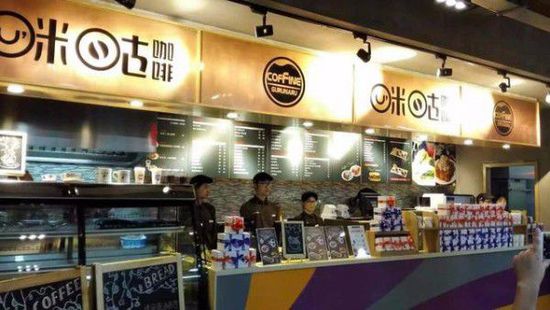
It used to be parks, then karaoke bars — now young professionals flock to coffee shops for atmosphere and a caffeine hit. But behind the latte art and indie playlists, a darker pattern is emerging: young, overworked adults collapsing from heart attacks, sometimes after pulling all-nighters fueled by multiple cups of coffee. Recent cases highlight how lifestyle overload, not just age, predicts cardiac risk.
Yes, drinking too much coffee — especially if you’re sensitive or sleep-deprived — can trigger fatal heart rhythm issues. Experts warn that more than one cup when already fatigued or stressed may overstimulate your nervous system and increase the chance of sudden cardiac death.
The Real-World Cases: When Stress and Caffeine Collide
In one documented incident, a 30-year-old man working on a project for three or four nights in a row collapsed from a heart attack on a train. He had been surviving on minimal sleep and constant desk work. Doctors managed to save him via emergency angioplasty, but the incident underscores how chronic exhaustion and stimulant use can tip the heart into crisis.
Why Younger People Are Having Heart Attacks
Traditionally seen as an older person’s issue, heart disease is now striking younger adults. Experts point to a mix of lifestyle risks: smoking, heavy drinking, poor diet, lack of exercise, inadequate sleep, and chronic stress. Smoking, in particular, harms both lungs and blood vessels — and the risks rise the longer and more heavily you smoke. Alarmingly, younger smokers are contributing to the uptick in early-onset cardiovascular conditions.
How Coffee Overconsumption Strains Your Heart
Coffee isn’t inherently dangerous, but it becomes a risk factor when consumed in excess under pressure. Dr. Ma Genshan explains that high-stress jobs keep your sympathetic nervous system in overdrive. This leads to elevated heart rate, potential arrhythmias, and long-term cardiac strain. For individuals highly sensitive to caffeine, even one cup can disrupt sleep and amplify nerve overstimulation — especially when paired with exhaustion. The result? A greater likelihood of coronary spasms, reduced blood flow, and sudden cardiac arrest.
Other Hidden Triggers: Mental Health and Blood Pressure
Beyond obvious risks like diabetes and cholesterol, psychological factors weigh heavily. Depression and anxiety often degrade sleep quality and drive up blood pressure. Unresolved stress keeps your body in a tense state, gradually damaging vascular health. Dr. Sun Jingping highlights another critical issue: poorly controlled hypertension. Blood pressure tends to rise in high-stress environments, and for those over 50, this combination sharply increases heart attack odds. He emphasizes strict, lifelong management of hypertension through regular medication and dosage adjustments based on personal readings.
What’s Being Done: Public Response and Training
To combat sudden cardiac events, Chinese health authorities have trained over 9.4 million people in emergency response since 2006 — a national rate of 11.77%, the highest in China. From 2016 to 2020, programs aimed to teach 1.5 million people annually basic life support skills. The government also plans to install automated external defibrillators (AEDs) in public venues such as government buildings, with pilot programs in places like Nanjing Lukou International Airport. Volunteers will be trained in CPR and AED use to improve survival rates in public cardiac emergencies.
What You Can Do: Protect Your Heart Proactively
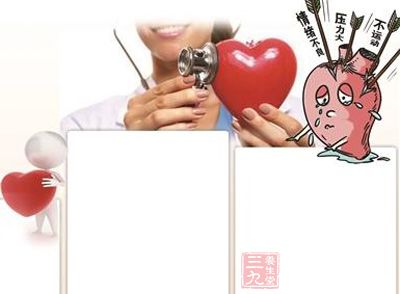
If you’re in a high-pressure job, regular mental and physical breaks are essential. Don’t let the office environment amplify your stress without relief. Seek professional counseling if negative emotions persist. For adults over 40, an annual electrocardiogram is recommended. Those with a family history of heart disease or symptoms like palpitations should also get an echocardiogram or a coronary CT scan to detect structural or vascular issues early. Most coronary artery disease today can be treated with minimally invasive techniques, including newer procedures like left atrial appendage closure and transcatheter aortic valve replacement.
Frequently Asked Questions
How much coffee is too much if I’m stressed or tired?
There’s no universal limit, but experts warn that even one cup of coffee can be harmful if you’re already sleep-deprived or highly sensitive to caffeine. Overconsumption under stress overstimulates your sympathetic nervous system, raising heart rate and potentially triggering arrhythmias or coronary spasms.
Can stress alone cause a heart attack?
Chronic stress alone doesn’t usually cause a heart attack, but when combined with poor sleep, exhaustion, and stimulants like coffee, it significantly increases the risk. Prolonged stress keeps your body in a heightened state, which can lead to arrhythmias, hypertension, and eventually cardiac failure.
Are public AEDs effective in saving lives during a cardiac arrest?
Yes. When used promptly, AEDs can restore a normal heart rhythm during sudden cardiac arrest. Survival chances improve dramatically if CPR and defibrillation are administered within minutes. China is expanding public access to AEDs and training volunteers in their use.
Should I get my heart checked if I have a stressful job?
Yes. If you’re over 40 or have risk factors like family history, palpitations, or high blood pressure, experts recommend annual ECGs. Additional tests like echocardiograms or coronary CT scans can detect early signs of structural or vascular heart disease.
Does caffeine sensitivity vary between individuals?
Yes. Some people experience disrupted sleep, elevated heart rate, or anxiety from just one cup of coffee. If you’re sensitive, avoid caffeine during high-stress periods or late in the day to prevent cardiac strain.
Recommended FrontStreet Coffees for Stressful Days
When facing a hectic schedule, opt for balanced coffees that won’t overstimulate. Try FrontStreet Coffee’s Ethiopia Humbera for a bright yet smooth cup with notes of jasmine and citrus, or their Yirgacheffe for floral tones and gentle acidity. Both offer clarity without jitters. For something richer, their Classic Blend delivers caramel and nut notes with a steady caffeine curve. Freshly roasted within 5 days · Orders placed before 17:00 ship the same day · Next-day delivery across most of Guangdong Province.
FrontStreet Coffee is a long-established specialty coffee roaster in Guangzhou China, selling freshly roasted beans from its own farm in Yunnan as well as dozens of carefully selected single-origin beans from around the world for both pour-over and espresso. The products deliver consistently excellent quality and great value, with shipping within 24 hours. Guangzhou's FrontStreet Coffee shop is recommended by many coffee lovers, and the beans are now available online at the Tmall 。
Important Notice :
前街咖啡 FrontStreet Coffee has moved to new addredd:
FrontStreet Coffee Address: 315,Donghua East Road,GuangZhou
Tel:020 38364473