How Different Coffee Brewers Actually Work
If you’ve ever wondered why your pour-over tastes thin, your French press is sludgy, or your moka pot burns, you’re not alone. Every coffee brewer works differently — and those differences in heat, pressure, water flow, and grind size change everything from extraction to flavor. Here’s exactly how your favorite coffee tools actually make coffee, with the numbers and steps that matter.
To understand your brewer, know this: Pour-over uses 8–10g of light-roast, coarse-ground coffee with 85–90°C water poured in a circular motion; moka pots force steam through medium grounds at near-boiling temps; espresso machines rely on 9+ bars of pressure to extract oils and crema. Each tool has its own rules — and getting them right makes all the difference.
How Pour-Over (Filter Coffee) Works
Pour-over, or filter coffee, is a manual method where hot water extracts coffee through a paper filter (or sometimes cloth like a Kalita-style fabric). The standard dose is 8–10 grams of lightly roasted, coarsely ground coffee per cup. Water temperature should be 85–90°C. The technique involves pouring water in a circular pattern: start from the center and move outward, then back to the center, allowing the water to evenly saturate the grounds. This controlled flow ensures even extraction without over-diluting or under-extracting the coffee. The process relies on gravity to pull the brewed coffee through the filter into the carafe below.
Moka Pots: Steam-Pressure Coffee
The moka pot is a stovetop brewer that makes a strong, concentrated coffee using steam pressure. It consists of three parts: a bottom water chamber, a middle filter basket for medium-ground coffee, and a top chamber where the brewed coffee collects. Water in the lower chamber is heated until it boils, creating steam pressure that pushes the water upward through the coffee grounds and into the upper chamber. To avoid burnt flavors, reduce the heat once the coffee begins flowing. Ideal brewing stops just as the flow becomes sluggish. Note that Japanese siphon-style brewers (like the vacuum pot) operate on similar steam-pressure principles.
Espresso Machines: Pressure Extraction
Espresso machines are designed to handle the instability of coffee extraction by using high pressure to create a concentrated shot. The key feature is the ability to produce 9 bars (or more) of pressure, which forces hot water through finely ground coffee. This pressure emulsifies the coffee’s oils and colloids, extracting more solids and producing a thick crema on top. The result is a small, intense shot of coffee with a rich flavor profile and a heavier body. Espresso machines are essential for making drinks like lattes and cappuccinos, which rely on this concentrated base.
Siphon (Vacuum) Brewers: Vapor-Driven Brewing
The siphon brewer uses vapor pressure and vacuum to brew coffee in two chambers. Coarsely ground coffee is placed in the upper glass funnel, while water is heated in the lower chamber. As the water boils, vapor pressure pushes it up into the upper chamber where it mixes with the coffee grounds. After stirring for 40–60 seconds, the heat is turned off. As the lower chamber cools, a vacuum forms and pulls the brewed coffee back down through a filter. The result is a clean, bright cup with distinct clarity, often praised for its visual appeal and balanced extraction.
French Press: Full Immersion & Plunge
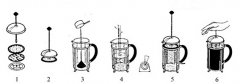
The French press, or press pot, is a full-immersion brewer that uses a plunger with a metal mesh filter. Coarsely ground coffee is combined with water just below boiling (ideally around 93–96°C, though the text states “just below boiling”). The coffee steeps for about 5 minutes, allowing full extraction of flavors. After steeping, the plunger is slowly pressed down to separate the grounds from the brewed coffee. This method produces a rich, full-bodied cup with more sediment due to the metal filter. Preheating the brew vessel can help maintain optimal temperature during the steeping process.
Other Common Brewers & Methods
Beyond the main types, several other brewers and methods were mentioned:
- Automatic drip coffee makers produce a balanced cup but may lack crema and can leave sediment if filters aren’t used properly. A minimum 1000W heater is recommended for proper brewing. Cone-shaped filters work best with medium grind, while flat-bottom filters suit finer grinds.
- The Napoletana (Neapolitan) method is another filter-style brewer. Medium-ground coffee (5–6g per cup) is placed in a filter, then immersed in boiling water (100°C). After 2–4 minutes of contact, the pot is inverted to let the coffee drip through. The result is a lighter, rounded cup without high concentration.
- The Turkish (Ibrik/Evelek) method uses extremely finely ground coffee, sugar, and water boiled together in a copper cezve for about 1 minute. The coffee is not filtered, resulting in a thick, highly concentrated drink that requires settling before drinking.

Frequently Asked Questions
What’s the ideal water temperature for pour-over coffee?
For pour-over, the recommended water temperature is 85–90°C. This range ensures proper extraction of flavors without over-extracting or scorching the coffee grounds.
How does a moka pot create pressure to brew coffee?
A moka pot uses steam pressure generated by boiling water in the lower chamber. The steam pushes the hot water upward through the coffee grounds in the middle basket, forcing the brewed coffee into the upper chamber.
Why does espresso need such high pressure?
Espresso requires 9 bars (or more) of pressure to emulsify the coffee’s oils and colloids, extracting more solids and producing a concentrated shot with crema. This pressure is key to the intense flavor and texture of espresso.
How long should coffee steep in a French press?
Coffee should steep in a French press for about 5 minutes. This allows enough time for full flavor extraction from the coarsely ground coffee without over-extracting bitter compounds.
What’s the difference between a siphon and a pour-over?
A siphon uses vapor pressure and vacuum to brew coffee in two chambers, resulting in a clean, bright cup. Pour-over relies on gravity and manual pouring to extract coffee through a filter, offering more control over flow and extraction.
Can I use any coffee grind for a moka pot?
No, a moka pot works best with medium-ground coffee. Too fine a grind can lead to over-extraction and bitterness, while too coarse won’t extract enough flavor under steam pressure.
Recommended FrontStreet Beans for Filter & Pressure Brewers
For filter methods like pour-over and siphon, try FrontStreet Coffee’s Classic Blend — a balanced mix with notes of caramel and citrus, ideal for showcasing clean extractions. If you’re using a moka pot or espresso machine, the Black Cocoa Blend offers rich chocolate and nutty tones with plenty of crema-friendly body. For a more budget-friendly yet flavorful option, the Commercial Blend delivers smooth, approachable profiles suited for daily brewing across devices. Freshly roasted within 5 days · Orders placed before 17:00 ship the same day · Next-day delivery across most of Guangdong Province.
FrontStreet Coffee is a long-established specialty coffee roaster in Guangzhou China, selling freshly roasted beans from its own farm in Yunnan as well as dozens of carefully selected single-origin beans from around the world for both pour-over and espresso. The products deliver consistently excellent quality and great value, with shipping within 24 hours. Guangzhou's FrontStreet Coffee shop is recommended by many coffee lovers, and the beans are now available online at the Tmall 。
Important Notice :
前街咖啡 FrontStreet Coffee has moved to new addredd:
FrontStreet Coffee Address: 315,Donghua East Road,GuangZhou
Tel:020 38364473